

In today’s article, we bring you an interesting look at three traditional drinks that are often recommended for digestive discomfort, bloating, and constipation. Although many homemade recipes promise relief within fifteen minutes, their effectiveness varies from person to person. Understanding how these ingredients affect the digestive system can help you make safer and healthier choices.
Modern lifestyles, irregular eating habits, insufficient physical activity, and inadequate water intake can contribute to digestive difficulties. Many people experience occasional constipation, abdominal discomfort, or a feeling of heaviness after meals. While these symptoms can sometimes improve through simple lifestyle changes, persistent digestive problems should not be ignored.

Among the most popular traditional preparations are warm lemon water, olive oil combined with lemon juice, and baking soda dissolved in water. However, these remedies do not all work in the same way, and some require particular caution.
1. Warm water with lemon
Warm lemon water is a refreshing beverage that can easily be incorporated into a morning routine. Its main advantage is hydration, which plays an important role in maintaining regular bowel movements and supporting normal digestive function.
Ingredients:
-
200–250 ml warm water
-
Juice of half a lemon
Squeeze the lemon juice into a glass of warm water and stir thoroughly. Enjoy the beverage slowly, either in the morning or throughout the day.
Although lemon water provides vitamin C and contributes to fluid intake, there is insufficient evidence that it directly cleanses the intestines or relieves constipation within fifteen minutes.
People experiencing acid reflux or frequent heartburn may find that lemon juice worsens their symptoms. Frequent consumption of acidic beverages can also affect tooth enamel.
2. Olive oil and lemon juice
Olive oil is an important component of the Mediterranean diet and contains beneficial unsaturated fats. Some limited research suggests that olive oil may help relieve constipation in certain circumstances, although it is not an established fast-acting laxative.
Ingredients:
-
1 tablespoon extra virgin olive oil
-
A few drops of fresh lemon juice
Combine the ingredients and use the mixture as a dressing for vegetables or salads. There is no proven advantage to consuming it on an empty stomach.
Regularly including olive oil in balanced meals can provide nutritional benefits without relying on concentrated homemade remedies.
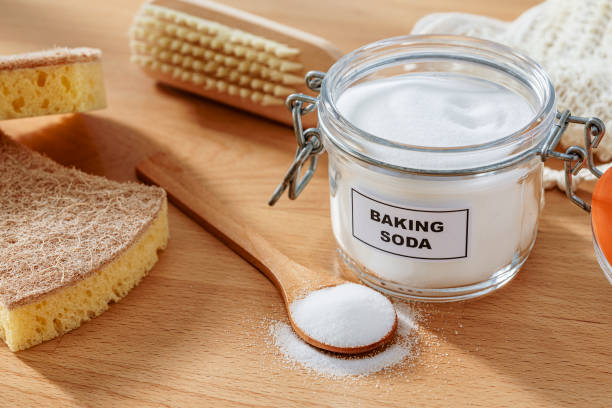
3. Baking soda and warm water
Baking soda, also known as sodium bicarbonate, can temporarily neutralize stomach acid. However, this does not mean that it improves intestinal movement or treats constipation.
The traditional recipe recommends mixing half a teaspoon of baking soda with warm water. Nevertheless, drinking homemade baking soda preparations for constipation is not recommended because excessive sodium bicarbonate consumption can cause serious side effects, including disturbances in the body’s acid-base balance.
People with high blood pressure, kidney disease, or heart conditions should be particularly cautious because baking soda contains sodium.
According to MedlinePlus, sodium bicarbonate is primarily used as an antacid for temporary relief from heartburn and acid indigestion, rather than as a treatment for constipation.
A safer alternative for people experiencing occasional constipation may be a small glass of prune juice, which contains naturally occurring sorbitol that can help soften stools. However, its effects are not necessarily immediate.
The most effective approach to maintaining healthy digestion is developing consistent daily habits rather than relying on homemade remedies that promise instant results.
Increasing your intake of dietary fiber is one of the simplest ways to support regular bowel movements. Fresh fruits, vegetables, oatmeal, barley, beans, and whole-grain bread are excellent additions to everyday meals.
Drinking sufficient water is equally important because fluids help dietary fiber work effectively and prevent stools from becoming excessively hard.
Fermented foods such as yogurt and kefir may also be valuable additions to a balanced diet, although the digestive benefits of probiotics vary depending on the individual and the specific bacterial strains involved.
Regular physical activity can contribute to better bowel function. Even a relaxing daily walk may be beneficial, especially for people who spend most of their working hours sitting.
The National Institute of Diabetes and Digestive and Kidney Diseases recommends adequate hydration, gradually increasing dietary fiber, and regular physical activity as important measures for managing constipation.
People experiencing persistent constipation should consult a healthcare professional. Severe abdominal pain, vomiting, blood in the stool, or an inability to pass gas require prompt medical attention.

Healthy digestion cannot always be restored within fifteen minutes, but small and consistent lifestyle improvements can make a meaningful difference over time.
Rather than experimenting with potentially harmful preparations, focus on nutritious meals, adequate hydration, regular movement, and appropriate medical advice when necessary.
Sometimes, the most valuable solution is not a complicated homemade remedy but a healthier everyday routine that supports the digestive system naturally.
Have you ever tried warm lemon water or prune juice to support your digestion?