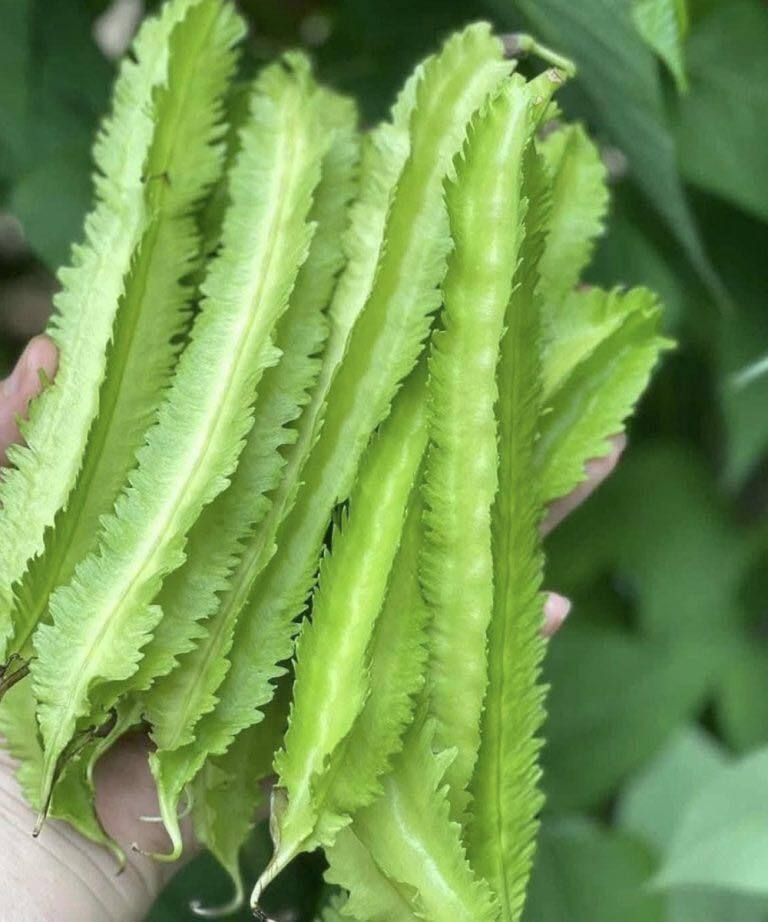
Discovering the Nutritional Benefits of Winged Beans
As the global culinary landscape continues to evolve, many exotic plants are making their way into mainstream diets, and one such gem is the winged bean, scientifically known as Psophocarpus tetragonolobus. While they may not be widely recognized in the United States, these vibrant beans are celebrated in Southeast Asia for their unique flavor, versatility, and impressive nutritional profile. With a growing interest in plant-based diets—especially among older adults seeking nourishing options—winged beans are beginning to garner attention for their health benefits and culinary adaptability.
The Unique Characteristics of Winged Beans
Winged beans stand out not only for their striking appearance, featuring bright green, ribbed pods, but also for their remarkable edibility. Unlike many vegetables where only specific parts are consumed, nearly every part of the winged bean plant is edible. From the tender pods to the leafy greens, flowers, and even the underground roots, this plant offers a bounty of culinary possibilities. This characteristic is particularly appealing for those interested in minimizing food waste while maximizing nutritional intake.
The winged bean plant can even grow in less-than-ideal soil conditions, making it an excellent option for sustainable agriculture. It is a perennial plant, meaning it can yield crops for multiple years without needing to be replanted each season. This adaptability not only reduces the carbon footprint associated with farming but also supports small-scale farmers in developing regions by providing a reliable source of food and income. The plant’s ability to fix nitrogen in the soil enhances its suitability for intercropping, which is a practice that can increase biodiversity and agricultural sustainability.
Nutritional Powerhouse for Healthy Aging
One of the most compelling reasons to incorporate winged beans into your diet is their impressive nutritional density. They are rich in protein, making them an excellent choice for older adults who are looking to maintain muscle mass and energy levels. In addition to protein, winged beans provide essential vitamins and minerals, including calcium and phosphorus, which are crucial for bone health. The dietary fiber found in these beans plays a vital role in promoting digestive health and regularity—two concerns that become increasingly important as we age. Furthermore, they are excellent sources of vitamins A and C, both of which bolster the immune system and protect cells from oxidative stress. The protein content in winged beans is particularly significant; they can contain up to 40% protein by dry weight. This makes them a particularly valuable food source for vegetarians and vegans, providing a complete amino acid profile when combined with other plant proteins like grains. Additionally, the beans’ high fiber content aids in appetite control and can help prevent conditions like type 2 diabetes, which is increasingly prevalent in older populations. Moreover, the antioxidants found in winged beans, such as flavonoids and phenolic acids, contribute to reducing inflammation and enhancing overall health, which is particularly beneficial for aging individuals.Who Can Benefit from Winged Beans?
Winged beans can be a nutritious addition to the diets of various groups of individuals. Those exploring vegetarian or vegan lifestyles will find winged beans to be a great source of plant-based protein. Families with growing children can also benefit from the nutrient-rich profile of winged beans, providing essential vitamins and minerals necessary for development. Older adults, in particular, may find these beans to be a gentle and nutritious food option that can support their health needs. As a versatile ingredient, winged beans can easily incorporate into many dietary patterns, appealing to a wide array of culinary preferences. Moreover, individuals with specific dietary restrictions, such as those needing a gluten-free diet, can enjoy winged beans in various dishes without concern. Their unique texture and taste can enhance the palatability of meals that may often feel monotonous. For health-conscious individuals, this exotic bean offers a way to explore new flavors while adhering to dietary goals. Ultimately, the winged bean can serve as a bridge between cultures, introducing people to unique flavors and health benefits while enriching their culinary experiences.Understanding Precautions When Consuming Winged Beans
While winged beans are generally considered safe and nutritious when prepared correctly, some individuals should exercise caution. For instance, those with sensitive digestive systems may experience discomfort if the beans are not cooked thoroughly, as raw or undercooked beans can contain natural compounds that are difficult to digest. Proper cooking methods, such as gentle steaming or boiling, can help neutralize these compounds and make the beans more palatable. Additionally, individuals who are advised to monitor their oxalate intake should consider enjoying winged beans in moderation, as they contain a moderate amount of oxalates, similar to foods such as spinach and almonds. It is recommended to soak dry winged beans for several hours before cooking to improve digestibility and reduce cooking time. Furthermore, those new to winged beans might want to start with smaller portions to gauge their tolerance. By following these precautions, consumers can enjoy the numerous health benefits of winged beans without adverse effects. It’s always wise to consult with a healthcare provider or nutritionist regarding any dietary changes, particularly for individuals with existing health conditions.Simple and Delicious Ways to Prepare Winged Beans
One of the most attractive aspects of winged beans is their culinary flexibility. They can be easily adapted into various cooking styles and incorporated into simple home-cooked meals. Here are some enjoyable ways to prepare winged beans:- Stir-fry sliced pods with garlic and mild seasonings for a quick and tasty side dish.
- Steam or boil the pods until tender and serve them as a nutritious addition to any meal.
- Add winged beans to soups, stews, or mild curries, where their unique texture can shine.
- Use the young leaves in salads or cook them just as you would with spinach or other leafy greens.
- Roast the mature seeds as a crunchy snack or incorporate them into dishes that traditionally use soybeans.
Additionally, winged beans can be featured in fusion cuisine, enhancing traditional dishes with their unique qualities. For example, they can be used in tacos, burritos, or even as a substitute for green beans in casseroles. Their ability to absorb flavors makes them a perfect ingredient in marinades, allowing for endless culinary creativity.
The Future of Winged Beans in American Diets
As the demand for wholesome, plant-based foods continues to rise, winged beans hold great potential to become a staple in American kitchens. Their nutritional profile, ease of preparation, and ability to complement familiar flavors make them an attractive option for individuals looking to diversify their diets. As consumers increasingly seek out new ingredients that offer both health benefits and culinary appeal, it’s likely that winged beans will gain a foothold in specialty markets and among home cooks eager to explore unique plant foods. Initiatives that promote the cultivation and consumption of winged beans could further enhance their presence in the market. Sustainability-focused campaigns can spotlight the environmental benefits of growing this hardy plant, while nutrition-focused outreach can emphasize its health benefits. Cooking classes and online recipes featuring winged beans could also help consumers become more familiar with this versatile ingredient, thus encouraging its adoption. Ultimately, as food trends continue to shift towards plant-based options, winged beans may soon become a common sight on grocery store shelves and in home kitchens across the country.In conclusion, winged beans represent a unique and nutritious addition to the modern diet. With their rich array of nutrients, versatility in the kitchen, and appeal to various dietary preferences, they are worth discovering for anyone looking to enhance their health and culinary experience. As more individuals open themselves to trying new foods, winged beans may soon be seen as a commonplace ingredient in American households, bringing both nourishment and variety to everyday meals.