Tragic Shooting of a Woman by ICE Agent Sparks Outrage and Investigation
On January 7, 2026, a shocking incident unfolded in south Minneapolis when a U.S. Immigration and Customs Enforcement (ICE) agent shot and killed a 37-year-old woman during a federal immigration enforcement operation. The victim, identified as Renee Nicole Good, was a local resident and a U.S. citizen.
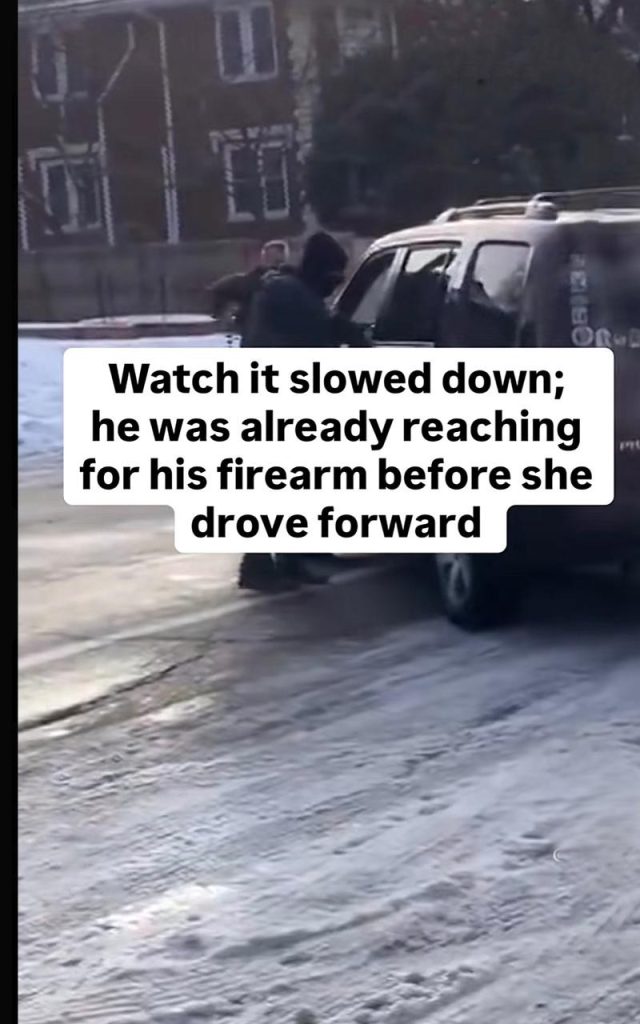
Eyewitness accounts and video evidence suggest that the shooting occurred while she was inside her vehicle. As federal agents approached, shots were fired, leading to a tragic loss of life that has ignited a fierce debate about the appropriateness of federal enforcement tactics.
Conflicting Accounts Surrounding the Shooting
The narrative surrounding this tragic event is highly contentious, with conflicting accounts emerging from federal authorities and local officials. According to the Department of Homeland Security (DHS) and ICE, the agent fired in response to what they perceived as an imminent threat.
They claimed that Renee Good was attempting to run over officers with her vehicle, which they argued justified the use of lethal force.
In statements made by Homeland Security Secretary Kristi Noem, the incident was characterized as an act of self-defense, suggesting that Good had been aggressive towards federal agents earlier in the day.
However, the details surrounding the incident remain murky. Eyewitnesses who were present at the scene have painted a different picture. Many reported that Renee was not acting aggressively but rather seemed confused and startled by the sudden appearance of the agents.
This discrepancy raises serious questions about the decision-making process that led to such a lethal response. Local community organizations and activists have begun to mobilize, demanding transparency in the investigation and accountability for the actions of federal agents.
Local Officials and Eyewitness Perspectives
In stark contrast, local officials—including Minneapolis Mayor Jacob Frey—strongly dispute the federal account. They contend that video evidence does not support claims that Good was trying to run over the officers.
Witnesses present during the incident have stated that it appeared she was either attempting to drive away or simply reposition her vehicle when shots rang out.
This divergence in narratives has not only fueled public distrust towards federal immigration enforcement but has also raised serious questions about the protocols and decision-making processes that govern such operations.
The implications of this event extend beyond just a single incident; they reflect a broader trend in the community’s relationship with federal law enforcement. Many residents feel that ICE’s presence breeds fear and anxiety, particularly among immigrant families who may feel targeted.
The subsequent mistrust has fostered an environment where community members are reluctant to engage with law enforcement, even when seeking help. This cycle of fear leads to a breakdown in the relationship between the community and its protectors, complicating efforts to maintain safety and security for all residents.
Public Outcry and Protests
The shooting has ignited widespread protests in Minneapolis and beyond, with demonstrators condemning the actions of federal agents and demanding accountability. Activists have taken to the streets, chanting slogans that reflect their anger and grief.
Critics of ICE have called for the agency to withdraw from the city, arguing that such operations often lead to unnecessary violence and tragedy. Local leaders have advocated for peace amidst the unrest but have also been vocal in their criticism of the use of force by federal officers.
The protests have also attracted national attention, prompting discussions about the ethics of federal immigration enforcement tactics. Rallies have been organized in cities across the nation, with participants calling for an end to what they describe as “militarization” of immigration enforcement.
Community members are sharing personal stories of how their lives have been affected by federal actions, highlighting the emotional toll of living under the constant threat of enforcement.
The community’s collective response underscores a growing frustration with federal immigration policies and enforcement methods that feel detached from the realities of everyday life.
Investigation into the Incident
In the wake of the shooting, authorities, including state and federal investigators, have initiated a thorough investigation into the incident. This inquiry aims to ascertain the precise circumstances surrounding Renee Good’s death and to evaluate whether the use of lethal force was justified.
As of now, no formal legal charges or findings have been released, leaving many in the community anxious for transparency and justice. The outcomes of this investigation could have significant implications for how federal agencies approach immigration enforcement in urban areas.
The investigation is also expected to scrutinize the training and protocols involved in ICE operations. Critics argue that better training regarding de-escalation techniques is necessary to prevent similar tragedies in the future.
Advocates for police reform have emphasized the need for oversight and accountability in law enforcement, particularly when it comes to federal agencies that operate independently of local governance.
The hope is that the investigation will address these pressing issues while also providing closure to Renee Good’s family and friends, who are left seeking answers in the aftermath of this tragedy.
The Broader Context of Federal Enforcement Operations
This incident is part of a larger discourse regarding the role of federal agencies in local communities, particularly in matters related to immigration. Many advocates argue that the aggressive tactics employed by ICE contribute to an atmosphere of fear and mistrust within immigrant communities.
Furthermore, the intersectionality of race, citizenship, and law enforcement practices remains a pressing issue that demands attention. The tragic loss of Renee Good serves as a painful reminder of the potential consequences of policies that prioritize enforcement over community safety and cohesion.
As communities across the nation grapple with similar issues, the Minneapolis incident could serve as a catalyst for broader reform. Policymakers are being urged to seek alternative approaches that prioritize community engagement and support rather than armed enforcement.
This could involve re-evaluating the role of federal agencies in local immigration matters and exploring ways to foster trust between law enforcement and the communities they serve.
Conclusion: A Community in Mourning and Seeking Justice
The shooting of Renee Nicole Good has left a deep scar on the Minneapolis community. As residents grapple with the aftermath of this tragic event, the call for accountability and justice continues to resonate.
Advocates for reform are urging a reevaluation of federal immigration policies and enforcement practices, hoping to prevent future incidents of unnecessary violence.
The community stands united in its mourning, seeking answers and advocating for change in a system that has too often prioritized enforcement over the humanity of those it affects.
Ultimately, the tragedy of Renee Good’s death serves as a poignant reminder of the human cost of immigration enforcement practices. It underscores the urgent need for dialogue, reform, and a commitment to prioritizing safety and dignity for all individuals, irrespective of their immigration status.
As the investigation unfolds, the community’s demands for justice may pave the way for meaningful change that honors Renee’s memory and prevents future tragedies.