The Critical Importance of Snakebite First Aid
Snakebites, while often perceived as rare incidents, necessitate a calm and immediate response. Understanding proper first aid techniques is crucial, especially in outdoor and agricultural settings where encounters with snakes are more likely. This is particularly relevant during warmer months when snake activity peaks. In Australia, the situation is alarming yet informative, with the Royal Flying Doctor Service documenting approximately 3,000 snakebites annually. Among these, nearly 550 individuals require hospitalization, and tragically, about two fatalities occur each year as a direct result of these bites.
Research conducted by the Australian Snakebite Project reveals that certain species are more notorious for causing these incidents. The statistics are telling: brown snakes account for nearly 41% of confirmed bites, followed by tiger snakes at around 17%, and red-bellied black snakes at 16%. Interestingly, the demographic most affected comprises primarily men in their 30s, who frequently engage in agricultural work or spend extensive time outdoors. However, a significant revelation is that over half of snakebites occur in residential areas rather than more remote bushland, highlighting the importance of safety measures even within the confines of our homes.
Common Situations Leading to Snakebites
Understanding the environments that attract snakes can significantly reduce the risk of bites. Common scenarios leading to snakebites include gardening, walking in backyards, or attempting to relocate a snake. Rural properties, often characterized by abundant water sources and rodent populations, can serve as inviting habitats for these reptiles. To prevent snake encounters, it is essential to minimize these attractants. Maintaining tidy yards, trimming overgrown vegetation, and implementing effective rodent control strategies are vital steps in creating a safer outdoor environment.
In addition to gardening and backyard activities, other everyday situations can lead to snakebites. For instance, hiking trails and bushwalking in areas known for snake populations can pose significant risks. Often, individuals unaware of their surroundings might inadvertently provoke a snake. Therefore, it is critical to stay vigilant and educate oneself about the habitats and behaviors of local snake species. Being aware of the signs of snakes, such as tracks or shed skins, can also aid in avoiding potential encounters.
Protective Measures and Clothing
Wearing appropriate protective clothing is another crucial aspect of snakebite prevention. Over 90% of snakebites occur on the arms or legs, making it imperative to wear sturdy boots, long trousers, and sleeves, as well as gloves when engaging in outdoor activities. These clothing items can serve as a vital barrier, significantly reducing the likelihood of a snakebite. In a situation where a snake strikes but does not inject venom, known as a dry bite, the symptoms may include localized pain, redness, and swelling at the site of the bite. Since it is impossible to determine immediately whether a bite was dry or venomous, all snakebites must be treated with the utmost seriousness.
Moreover, snake-proof gaiters are available and can be an excellent investment for those who routinely venture into snake-prone areas. These gaiters are designed to protect the lower legs from snake fangs, adding another layer of defense. Additionally, educating children about the dangers of snakes and instilling proper outdoor etiquette can go a long way in ensuring safety. Children should be taught to avoid tall grass, piles of rocks, and any areas where snakes may be hiding.
Recognizing Symptoms and Immediate Action
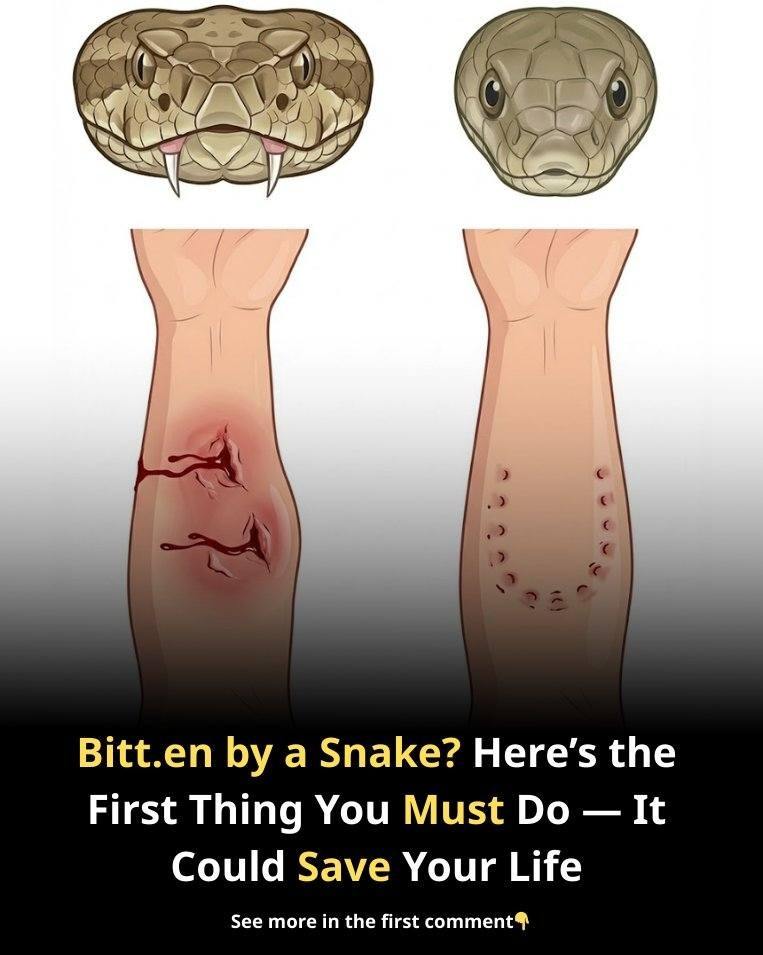
The symptoms of a venomous snakebite can vary widely, but they often include swelling, nausea, blurred vision, difficulty breathing, irregular pulse, abdominal pain, and even signs of paralysis. There are instances where the bite may appear minor, with only small puncture marks visible, while severe symptoms can develop later, complicating the situation. If someone is bitten, it is critical to keep them as still as possible to slow the spread of venom through the body. Calling emergency services should be the next step, followed by applying a firm pressure bandage and immobilizing the affected limb. Importantly, do not wash the wound, as this may dilute vital information for medical professionals.
Additionally, it’s critical not to apply ice or tourniquets, as these methods can exacerbate the situation. Instead, the focus should be on minimizing movement and keeping the victim calm. The application of a pressure bandage should be firm but not overly tight, allowing for circulation and preventing further swelling. Monitoring the victim’s vital signs and being ready to provide information to emergency responders can also be invaluable.
The Importance of Timely Medical Treatment
Timely medical treatment is essential and can drastically improve outcomes following a snakebite. The administration of antivenom, when necessary, has proven to be life-saving, and quick response can significantly mitigate long-term health issues. In the face of a snakebite incident, the combination of informed first aid and prompt medical intervention can make the difference between life and death. Therefore, equipping oneself with knowledge about snakebite prevention, recognizing symptoms, and understanding first aid protocols is not merely beneficial—it is imperative for those living in or frequently visiting snake-prone areas.
Healthcare professionals often emphasize the need for ongoing education and awareness surrounding snakebite treatment, particularly in regions with high snake activity. Community workshops and first aid courses that specifically address snakebites can empower individuals to act confidently and effectively in emergencies. Furthermore, local hospitals and health services frequently provide resources and training sessions that can demystify the process of dealing with snakebites, emphasizing the importance of early intervention.