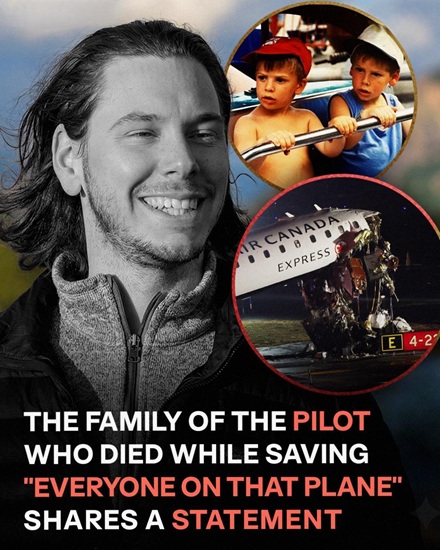
The LaGuardia Airport Collision: A Tragic Tale of Miscommunication and Loss
On the evening of March 22, a routine flight from Montréal to New York ended in tragedy at LaGuardia Airport. The Jazz Aviation flight, operating under the Air Canada Express banner, was piloted by two dedicated professionals: Captain Antoine Forest and First Officer Mackenzie Gunther. This flight, a Bombardier CRJ-900 carrying 76 individuals — 72 passengers and four crew members — seemingly faced a standard approach. However, the descent transformed into chaos as the aircraft met a catastrophic fate upon landing.
The weather conditions that evening were not out of the ordinary, despite earlier reports of disruptions affecting other flights. Passengers described a calm descent, unaware that a grave mistake had taken place just moments before their landing. As the aircraft glided onto the runway, an unexpected sound — a grinding noise that indicated a struggle with braking — preceded the horrific collision. Seconds later, the airplane slammed into a Port Authority fire truck that had crossed the active runway, resulting in the immediate destruction of the cockpit area and the tragic loss of both pilots’ lives.
The sequence of events leading up to the collision illustrates a critical breakdown in communication and situational awareness. Investigations revealed that the fire truck, identified as Truck 1, had received clearance to cross the runway while air traffic control was simultaneously managing multiple emergencies. The situation escalated when the controller attempted to direct the truck to stop, but the warning came mere seconds too late. As the CRJ-900 struck the truck at high speed, passengers in the cabin experienced a terrifying moment of confusion and fear, their bodies jolted forward as screams filled the cabin. The chaos that erupted was surreal for many, turning a routine flight into a life-altering event.
In the immediate aftermath of the crash, flight attendants played a critical role in ensuring passenger safety. Many passengers described the evacuation as chaotic yet essential, with trained personnel directing them to emergency slides and overwing exits as smoke filled the cabin. Emergency responders arrived on the scene almost instantaneously, working diligently to rescue survivors and transport the injured to nearby trauma centers. Despite the severity of the crash, most passengers were treated for non-life-threatening injuries, though some required hospitalization, including two firefighters from the truck who suffered serious injuries.
As the investigation unfolded, the U.S. National Transportation Safety Board (NTSB) and the Federal Aviation Administration (FAA) delved into the factors contributing to this devastating incident. Preliminary findings highlighted a failure in communication and procedural protocols between air traffic controllers and ground crews. A critical aspect of the investigation pointed to the absence of a transponder in the fire truck, which would have alerted controllers to its presence on the runway. The human element also came under scrutiny, as the controller faced overwhelming responsibilities, raising significant concerns regarding staffing levels and the operational pressures faced during night shifts.
The loss of Captain Antoine Forest, just 30 years old, and First Officer Mackenzie Gunther, only 24, left a profound impact on the aviation community and beyond. Their dedication to aviation and safety was celebrated in heartfelt tributes shared by friends and family, including a poignant message from Forest’s brother, who reflected on their childhood bond. This personal narrative contrasted starkly with the tragedy’s reality, illustrating the fragility of life and the emotional weight carried by those who remain. Memorial services were organized, bringing together colleagues, families, and the community to honor the pilots, who were remembered not just as employees, but as individuals who shared a profound love for flying.
The incident at LaGuardia Airport serves as a stark reminder of the complexities and potential dangers inherent in aviation. While such tragedies are rare, they underscore the importance of ongoing improvements in safety protocols, communication systems, and the need for adequate staffing within air traffic control. As LaGuardia reopened its runways after thorough safety evaluations, the aviation industry was left to reflect on the lessons learned from this harrowing event. The memories of those lost, combined with the experiences of survivors, will resonate for years, emphasizing that behind every statistic are real lives intertwined in shared moments of joy and tragedy.
Ultimately, the story of the LaGuardia Airport collision transcends the details of the incident itself; it encapsulates the essence of human connection in times of crisis. The courage displayed by the flight crew and the compassion shown during the aftermath remind us that every flight is not merely a journey through the skies, but a tapestry of lives, relationships, and stories. As families grieve, friends reunite, and survivors grapple with their experiences, the legacy of Captain Antoine Forest and First Officer Mackenzie Gunther will live on, not just in remembrance, but in the ongoing quest for improved safety and understanding in aviation.
Moreover, this tragedy raises crucial questions about the future of aviation safety protocols. The aviation community must engage in a thorough analysis of the systems in place that failed on that fateful night. For example, the utilization of technology such as runway incursion warning systems could potentially prevent similar accidents in the future. Various airports worldwide have implemented such systems to enhance safety measures, and it is worth considering their wider application within the U.S. aviation framework.
Furthermore, the incident accentuates the importance of continuous training for both air traffic controllers and ground personnel. Regular drills and refresher courses can help in reinforcing the critical need for clear communication and prompt decision-making in high-pressure situations. The aviation industry thrives on teamwork; fostering a culture of openness and continual learning among all stakeholders is paramount in minimizing the risks associated with flight operations.
The emotional toll of such incidents is not limited to those directly involved; it ripples through families, friends, and communities. The lives of the pilots, the passengers, and the emergency personnel affected are forever altered. Grief counseling and support services have become essential parts of the recovery process for survivors and families of victims. Organizations like the Air Line Pilots Association (ALPA) and various mental health initiatives have sought to provide assistance in coping with the aftermath of aviation tragedies, recognizing that emotional scars can linger long after physical wounds have healed.
As we look back on the LaGuardia Airport collision, it serves as a beacon, illuminating the path toward a safer aviation future. Each recommendation that arises from the investigation holds the potential to prevent future tragedies, reinforcing the commitment to safety that underpins the aviation industry. The legacy of Captain Forest and First Officer Gunther is not merely one of loss but rather one of hope; a reminder that every effort toward improving safety may save lives. Thus, their memory urges us to remain vigilant, proactive, and dedicated to ensuring that flying remains one of the safest modes of transportation.