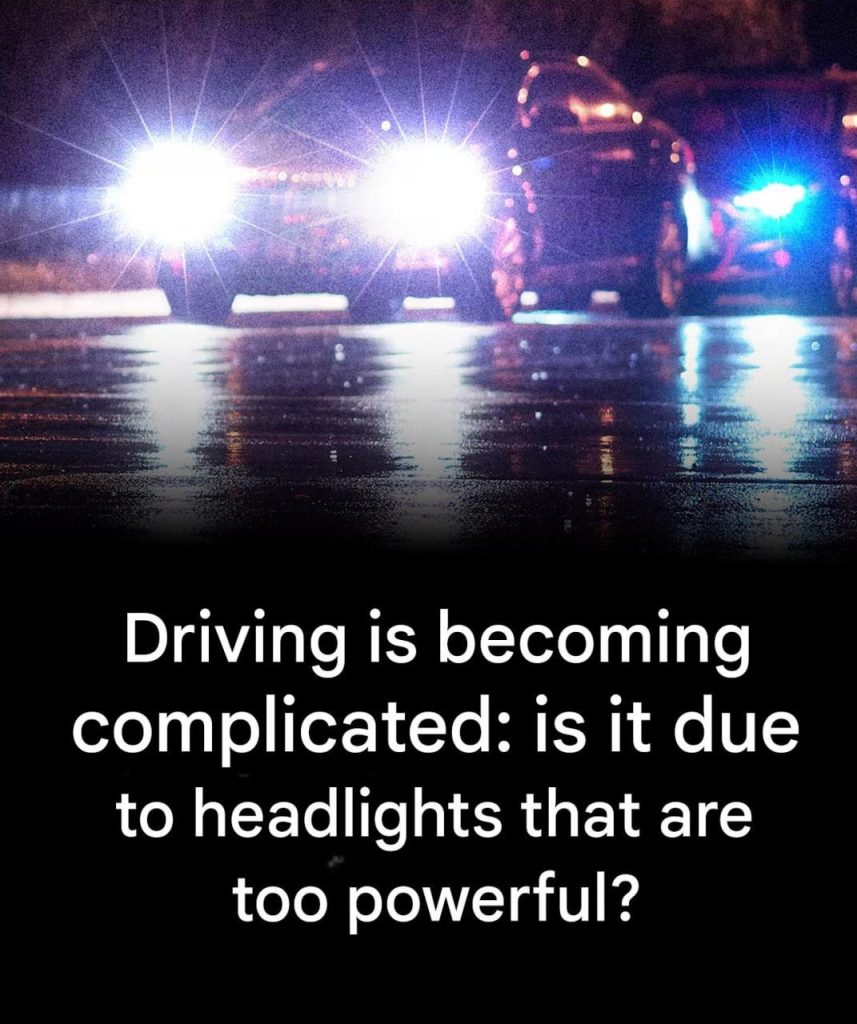
Understanding the Intensity of Modern Headlights
When driving at night, have you ever felt overwhelmed by the brightness of oncoming headlights? It seems as if the roads have transformed into brightly lit stages, drawing attention to the dazzling lights of modern vehicles. This phenomenon raises several questions: Is it just an optical illusion, an effect of aging eyes, or is it rooted in the advancements of automotive technology? The answers reveal surprising truths and, importantly, offer solutions that can enhance our driving experience.
Why Are Modern Headlights So Bright?
In recent years, the automotive industry has made a significant shift towards LED headlights and other advanced lighting technologies. LEDs, or light-emitting diodes, are known for their energy efficiency and durability. Unlike traditional halogen bulbs, which emit light in all directions, LED headlights can be directed more precisely, creating a focused beam that can illuminate the road more effectively. This innovation provides drivers with enhanced visibility, illuminating the road in ways traditional halogen bulbs cannot.
However, this increased brightness can also pose challenges for many drivers, particularly those sensitive to light. Reports from female drivers indicate discomfort when encountering these high-intensity lights, especially after a long day or during adverse weather conditions. For instance, during heavy rain or fog, the bright beams can reflect off water droplets or mist, creating a blinding effect that can obscure visibility. The road ahead can appear to be washed out, leaving drivers feeling uncertain and anxious about their surroundings.
The Dazzling Dilemma: Light Sensitivity
The discomfort stems from a common issue: the concentrated beams of modern headlights can be visually overwhelming. Think of it as stepping from a dimly lit room into a brightly illuminated store aisle; your eyes need time to adjust to the sudden change in brightness. For some, this transition is seamless, while others experience lingering discomfort. This can be particularly concerning when navigating narrow, winding roads at night, where clarity is crucial for safe driving.
Moreover, prolonged exposure to intense lights can lead to temporary visual impairment, causing feelings of blurriness or confusion. The impact is not just psychological; studies have shown that intense glare can reduce a driver’s ability to judge distances and speeds of oncoming vehicles accurately. This confusion can prompt some drivers to slow down in an attempt to regain visual comfort, which may inadvertently disrupt the flow of traffic and increase the risk of accidents.
Headlight Positioning: A Crucial Factor
Another aspect contributing to the intense brightness of headlights is their positioning on larger vehicles, such as SUVs and trucks. Many drivers report that when an SUV approaches, the light often aligns directly with their eye level, creating a dazzling effect. This isn’t solely a matter of power; it’s primarily about the angle at which the lights are aimed. For instance, if the headlights are too high, they can easily blind oncoming drivers. Conversely, if they are too low, the driver may struggle to see the road ahead clearly.
Fortunately, this issue can often be remedied. During routine vehicle inspections, headlight alignment is checked to ensure that the beams do not obstruct other road users. An appropriate angle is vital, as a higher angle can blind oncoming drivers, while a too-low angle can diminish the driver’s own visibility. It’s important to remember that vehicle weight, such as carrying a full load in the trunk, can also affect the angle of the headlights, making regular alignment checks essential.
Simple Adjustments for Improved Visual Comfort
Many drivers may not realize that everyday situations can affect headlight alignment, such as a fully loaded trunk or passengers in the back seat. However, most vehicles come equipped with manual adjustment settings that allow drivers to restore optimal beam height easily. For example, taking the time to adjust headlights after loading cargo can significantly improve visibility for both the driver and other road users.
Moreover, adopting a few practical habits can greatly enhance nighttime driving comfort. Regularly cleaning both the inside and outside of the windshield helps minimize glare, as even minor smudges can amplify light intensity. In addition, using anti-glare coatings on your windshield can be beneficial. Furthermore, when passing another vehicle, looking slightly to the right can help avoid being directly blinded by their headlights, allowing for a clearer view of the road.
The Future: Smarter Headlight Technology
In light of these concerns, automotive technology is evolving to create smarter, more adaptable headlights. Several countries are exploring automatic systems that can adjust beam height based on the load of the vehicle or even the surrounding environment. For instance, adaptive headlights can swivel in the direction of the turn, providing better illumination of curves and corners, which is particularly useful in rural or poorly lit areas.
This innovation promises to eliminate many problems associated with varying loads and to create a more uniform lighting experience across different vehicle models. In the coming years, these technologies may become the norm, leading to a safer and more comfortable driving experience for all road users. As these advancements continue to develop, drivers may find relief from the overwhelming brightness of modern headlights while still benefiting from increased visibility.
As we continue to advance technologically, it’s essential to remember that while modern headlights offer significant benefits, they also require us to adapt our driving habits. By being aware of how these lights affect our vision and taking simple measures to enhance our comfort, we can enjoy the advantages of improved visibility without compromising safety. Balancing innovation with practical adjustments is key to navigating the roads effectively, especially at night. Ultimately, understanding the intensity of modern headlights can lead to safer driving conditions for everyone on the road.