The Enduring Mystery of Titanic’s Missing Remains
More than a century has passed since the tragic sinking of the RMS Titanic, yet one question continues to puzzle scientists and historians alike: why have no human remains ever been found among the wreckage? Despite numerous explorations and dives to the iconic site, the absence of skeletal remains remains a topic of great intrigue. As we delve deeper into this maritime mystery, recent scientific insights may shed light on the factors contributing to this eerie phenomenon.
The Titanic’s Final Resting Place
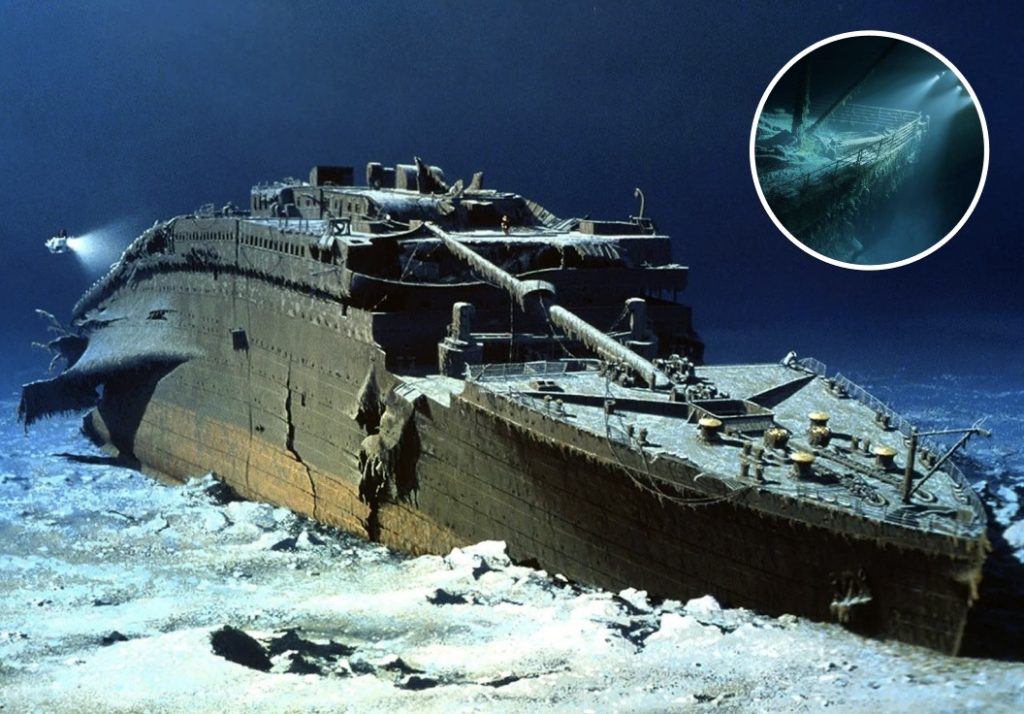
The Titanic, discovered in 1985, lies approximately 12,500 feet beneath the surface of the North Atlantic Ocean. This depth presents significant challenges not only for divers and submersibles but also poses substantial threats to the preservation of organic materials, including human remains. Oceanographers highlight that the Titanic is located well below the calcium carbonate compensation depth — a critical threshold where bones and shells begin to dissolve due to the chemical nature of the deep-sea environment. The immense pressure at this depth, which is about 380 times that of the surface, further complicates the situation by creating conditions that are hostile to organic matter.
The Role of Deep-Sea Chemistry
Deep-sea explorer Robert Ballard, who led the expedition responsible for locating the Titanic, has emphasized the harsh realities of oceanic conditions at such depths. He explained to NPR that once the scavengers have stripped flesh from the bodies, the remaining bones face a hostile environment. “At that depth,” Ballard remarked, “they dissolve completely due to the undersaturated water.” This scientific understanding accounts for the lack of human remnants discovered at the site, even after the loss of over 1,500 souls during the Titanic’s fateful journey in April 1912.
The Scavenger Effect
The Titanic tragedy marked a pivotal moment in maritime history, claiming approximately 68% of the 2,200 passengers and crew onboard. Many victims succumbed to the frigid waters, drowning or suffering from hypothermia as the ship sank. Initially, it is believed that those who donned lifejackets stayed afloat; however, powerful ocean currents and storms in the aftermath of the disaster likely dispersed bodies far from the wreck site. The chaotic environment of the North Atlantic, characterized by strong currents and unpredictable weather patterns, contributed to this dispersal. Over time, marine life would have consumed any organic material, further ensuring that little evidence of the victims remained. The role of scavengers, such as fish and crustaceans that thrive in these depths, cannot be underestimated as they actively consume whatever organic matter is available.
Comparative Preservation: Other Wrecks vs. Titanic
While bones have been salvaged from much older shipwrecks found in shallower waters, the extreme depth and challenging underwater chemistry surrounding the Titanic make it highly improbable for any remains to survive more than a century. Notably, wrecks like the USS Arizona, which lies in Pearl Harbor and is significantly shallower, have yielded human remains owing to favorable preservation conditions. Researchers have speculated that certain sealed areas of the ship, such as the engine room or storage compartments, could potentially offer some protection against the corrosive conditions of the deep sea. However, after more than 110 years, the likelihood of discovering any preserved bodies grows increasingly slim. The Titanic’s structure itself, having been subjected to immense pressures and corrosive seawater, deteriorates, making it less likely for any organic materials to remain intact.Haunting Reminders of the Past
What remains at the Titanic wreck site today are not the bodies of its passengers but haunting artifacts, such as shoes, clothing, and personal belongings—silent testimonies to the lives that were lost. These remnants serve as poignant reminders of the tragedy, marking the spots where individuals once stood, loved, and dreamed. Notably, filmmaker James Cameron, who has made over 30 trips to the wreck site, affirmed the absence of human remains during his explorations, stating, “We’ve come across clothing and even pairs of shoes — clear signs that people were once there, but I’ve never seen human remains.” The presence of these artifacts, while evocative, underscores the tragedy of the lives cut short, amplifying the emotional weight of the wreck site.A Legacy of Loss and Mystery
The absence of human remains at the Titanic site continues to deepen the ship’s tragic legend, a somber reminder of how nature and time can reclaim even the most significant historical events. As technology advances and exploration efforts persist, the quest for understanding the Titanic’s past remains intertwined with the harsh realities of deep-sea exploration. Documentaries, literature, and research papers continue to examine the multi-faceted story of the Titanic, examining everything from its construction to its ill-fated maiden voyage. The legacy of those who perished on that fateful night in April 1912 stands not only as a cautionary tale of hubris but also as a profound testament to the fragility of human life amidst the vastness of the ocean.In the end, the Titanic’s story is one that transcends mere tragedy; it is a reflection of the human experience—love, loss, and the enduring quest for remembrance. As we continue to explore the depths of the ocean and the mysteries it holds, the Titanic remains a powerful symbol of resilience and the eternal search for closure, reminding us that even in loss, we find ways to keep our memories alive. Each dive into the wreck is not just an exploration of history but an act of homage to those who were lost, ensuring that their stories remain part of our collective consciousness, a reminder of the lives intertwined with the legend of the Titanic.