Reviving the Sparkle: Effective Tips for Cleaning Glass
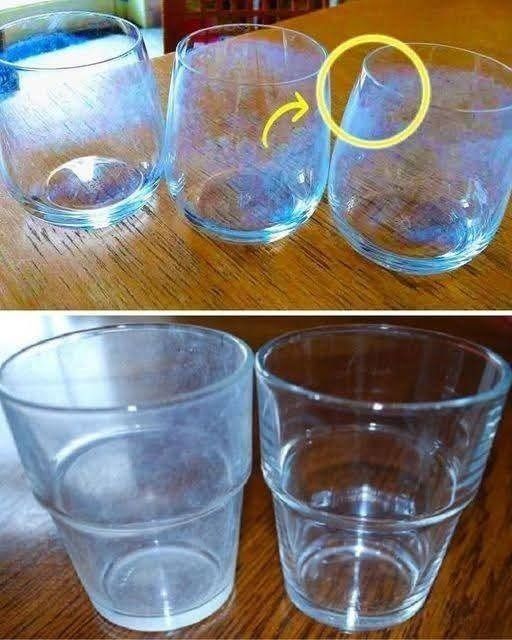
Over time, glass surfaces can lose their brilliance and clarity, becoming dull and covered with a stubborn white residue often referred to as limescale or white patina. This common issue can arise from mineral deposits in the water, the use of harsh cleaning agents, or even natural wear and tear. Not only does this affect the aesthetic appeal of your glass, but it can also diminish the overall light in your home, making it feel less inviting. Fortunately, there are several effective methods to restore the original shine of your glass items, ensuring they remain stunning and clear.
Understanding the Causes of Dull Glass
Before diving into cleaning techniques, it is essential to understand what causes glass to lose its shine. The primary offenders are limescale, which is often the result of hard water, and various forms of corrosion from cleaning agents. Over time, these elements create an unsightly white film that clings to the surface of the glass, resulting in a frosty appearance. Additionally, scratches can exacerbate the problem, trapping dirt and making it more challenging to achieve a clean finish. When glass is exposed to environmental elements like dust, smoke, or mildew, it can further complicate the clarity issue, making a thorough cleaning routine necessary.
Three Effective Methods for Glass Restoration
To combat dullness and restore clarity, there are a few tried-and-true methods that have proven successful for many homeowners. Each of these methods employs natural ingredients that are safe, effective, and environmentally friendly:
Baking Soda: This versatile household staple is renowned for its cleaning prowess. To use baking soda for glass cleaning, combine it with a small amount of water to create a paste-like consistency. Apply the paste to the affected areas of the glass and let it sit for about 10 minutes. Afterward, gently rub the glass with a soft cloth, ensuring you cover all spots. Finally, rinse thoroughly with clean water and dry with a soft, lint-free towel. This method not only removes stubborn stains but also adds a layer of shine, making your glass surfaces sparkle. For more stubborn residues, repeat the process as needed, or let the paste rest longer before scrubbing.
White Vinegar: Renowned for its disinfecting and deodorizing properties, white vinegar is another excellent cleaning agent. Soak a soft cloth in white vinegar and wipe down both the interior and exterior surfaces of the glass. Allow the vinegar to sit for a couple of minutes before rinsing with water. This method effectively tackles limescale and leaves your glass gleaming without resorting to harsh chemicals. The acidity in vinegar helps dissolve mineral deposits, making it particularly effective for bathroom mirrors and shower doors that often suffer from water stains.
Lemon Juice: The natural acidity in lemon juice can help break down grime while leaving a fresh scent. Mix lemon juice with water in a bowl, along with some Marseille soap, and soak your glasses for up to 12 hours. Rinse thoroughly afterward and dry using a microfiber cloth, which will prevent scratches while ensuring a streak-free finish. This method not only cleans but also leaves a pleasant citrus fragrance, making the cleaning process more enjoyable. Moreover, lemon’s natural antibacterial properties can provide an added advantage during the cleaning process, particularly for glassware used in food service.
Preventing Future Build-Up
Once you’ve restored your glass items to their former glory, maintaining that shine is key. Regular cleaning with gentle, non-abrasive products will go a long way in preventing dullness. Moreover, after washing your glassware or windows, make it a habit to wipe them down with a dry cloth to eliminate any leftover moisture that can cause spots. In addition, consider using a water softener if you live in an area with hard water to prevent limescale buildup over time. For windows, a professional cleaning at least once a year can help keep them looking pristine, particularly for those hard-to-reach areas that collect dirt and grime.
Understanding the Importance of Regular Maintenance
Regular maintenance of glass surfaces is not only about aesthetics; it also plays a crucial role in prolonging the life of your glass items. Neglecting to clean glass can lead to permanent etching or scratching, which can be costly to repair or replace. Additionally, a clean environment promotes overall hygiene, reducing the risk of mold and bacteria buildup on surfaces. Incorporating a simple cleaning routine into your weekly chores can save you time and effort in the long run. By dedicating just a few minutes each week to glass maintenance, you can ensure that your home remains bright and welcoming.