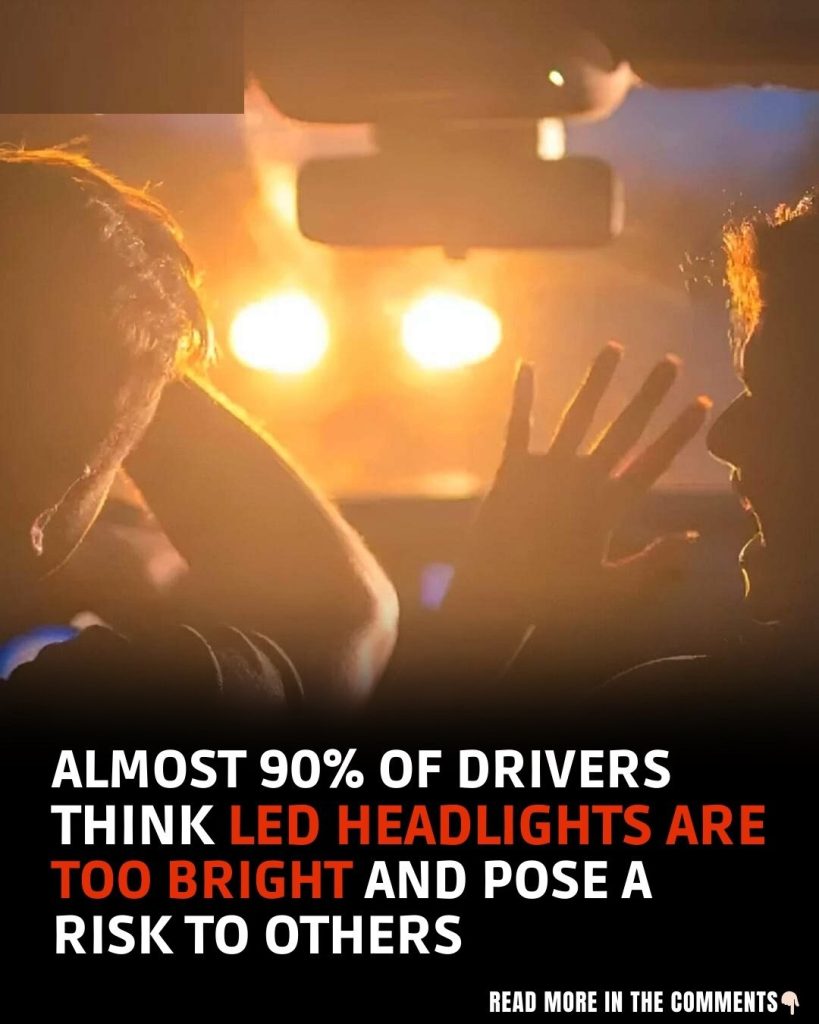
The Dangers of Modern Headlight Glare: A Growing Concern for Road Safety
As you navigate a dark stretch of highway, your surroundings suddenly explode with brightness—a blinding glare from an oncoming vehicle that leaves you momentarily disoriented. This alarming experience is becoming increasingly common for drivers around the globe, raising serious concerns about road safety. The advent of modern headlights, particularly LED and high-intensity discharge (HID) technologies, has transformed automotive lighting. However, these innovations come with a significant downside: the perilous potential for glare that can impair visibility and increase the risk of accidents.
The Evolution of Automotive Lighting
LED and HID headlights were initially lauded for their ability to emit a whiter light that closely resembles natural daylight, enhancing visibility during nighttime driving. These advanced lighting technologies consume less energy and boast a longer lifespan compared to traditional halogen bulbs. Additionally, they provide a brighter illumination that can benefit drivers, allowing them to see further and more clearly. However, this same intensity can become a double-edged sword when it comes to oncoming traffic. Unlike halogen lights, which cast a softer, warmer glow, the concentrated beams of LEDs can create a dazzling effect that is difficult for other drivers to tolerate, especially when the headlights are mounted higher on larger vehicles like SUVs and trucks.
Sadržaj se nastavlja nakon oglasa
For example, studies have shown that vehicles equipped with high-mounted LED headlights can produce glare levels that are nearly three times greater than those from standard halogen lights. This excessive brightness not only causes discomfort but can also lead to temporary blindness, leaving drivers struggling to regain their composure and focus on the road. Such scenarios highlight the urgent need for addressing the growing prevalence of glare associated with modern automotive lighting.
Understanding the Illumination Problem
The crux of the glare issue lies in how modern headlights are designed and positioned. A slight misalignment of just a few degrees can turn an ordinary drive into a hazardous situation, leaving oncoming drivers temporarily blinded. As vehicle designs evolve, with many new models featuring taller frames, the risk of glare is exacerbated. Headlights that sit above the natural line of sight for smaller vehicles direct light straight into the eyes of other drivers, particularly on uneven or winding roads where the terrain can unpredictably redirect the headlight beams.
Furthermore, the placement of headlights significantly influences the intensity of glare experienced by other motorists. For instance, pickups and larger SUVs are often equipped with headlights that, when adjusted incorrectly or due to wear over time, can shine directly into the windshields of smaller cars. This misalignment is not a rare occurrence; according to automotive safety reports, a significant percentage of vehicles on the road today have improperly aimed headlights, which amplifies the glare issue.
The Impact of Glare on Driver Safety
Data from various traffic safety studies indicate that incidents related to glare contribute significantly to nighttime collisions, although precise figures remain elusive. The temporary blindness caused by blinding headlights can last for mere seconds but can have catastrophic consequences. A vehicle traveling at 65 miles per hour covers approximately 95 feet per second; thus, even a brief episode of impaired vision can result in the vehicle traveling the length of a football field without the driver being able to safely assess their surroundings. For vulnerable drivers, such as the elderly or those with vision impairments, the dangers multiply, highlighting a pressing public health concern.
Moreover, the emotional and psychological toll of experiencing glare cannot be overlooked. Drivers who frequently face intense glare may develop anxiety, leading to a decreased willingness to drive at night. This phenomenon can result in broader societal implications, such as reduced mobility for individuals who rely on driving for transportation, alongside increased congestion during daylight hours as more drivers opt to travel when visibility is better.
Regulatory Challenges and the Need for Reform
In many regions, current regulations surrounding headlight design and functionality were established long before the introduction of high-intensity lighting technologies. These outdated standards primarily addressed halogen bulbs and set limits on brightness and alignment, inadequately accounting for the diverse array of vehicle types on the road today.
Advocacy groups emphasize that these regulations must be updated to reflect contemporary vehicle designs and lighting capabilities to protect all road users from the adverse effects of glare.
While some newer models incorporate adaptive lighting systems that adjust brightness and angles based on traffic conditions, widespread adoption remains limited. A comprehensive analysis of existing regulations reveals significant gaps that allow poorly designed headlights to remain on the road, contributing to the glare problem.
Advocates argue that a shift towards more stringent standards, including regular inspections and certifications for headlight alignment, is essential in reducing glare incidents and enhancing overall road safety.
The Path Forward: Solutions and Recommendations
Addressing the glare issue requires a multifaceted approach, including stricter regulations on headlight brightness and alignment, routine inspections during vehicle maintenance, and the promotion of adaptive lighting technologies. Safety advocates suggest mandatory alignment checks could significantly mitigate glare incidents.
Implementing such checks could be particularly effective if paired with educational campaigns to inform drivers about the importance of headlight maintenance.
Furthermore, educating drivers on proper headlight adjustments and the dangers of aftermarket modifications can empower them to minimize glare risks. Many drivers are unaware that their headlights may not be properly aligned, and simple adjustments can make a significant difference.
As the automotive industry continues to innovate, it is crucial that safety standards evolve in tandem to ensure that technological advancements do not compromise road safety.
The Broader Implications of Headlight Glare
The implications of glare extend beyond safety statistics and regulatory frameworks. Psychologically, drivers exposed to persistent glare may develop anxiety or exhibit caution during night driving, leading to reduced travel after dark and increased congestion during daylight hours.
This shift can have broader economic repercussions, as nighttime collisions often result in higher property damage costs and increased insurance claims. Furthermore, the psychological impact of glare can deter individuals from using their vehicles, adversely affecting urban traffic dynamics and public transportation systems.
Moreover, as cities grow and traffic patterns evolve, the increasing reliance on nighttime travel underscores the importance of addressing headlight glare. The need for effective urban planning and infrastructure improvements becomes apparent, as cities must accommodate an expanding number of vehicles while ensuring safety for all road users.
This complex interplay of vehicle technology, urban design, and public safety necessitates comprehensive solutions that encompass regulatory, technological, and educational dimensions.
Conclusion: A Collective Responsibility for Road Safety
In conclusion, while modern headlight technologies offer significant benefits in visibility for drivers, they also introduce serious risks associated with glare for others on the road. The intersection of technology, safety, and human perception creates a complex dilemma that requires attention from manufacturers, regulatory bodies, and drivers alike.
By embracing stricter standards, investing in adaptive technologies, and fostering a culture of awareness around headlight safety, we can work towards a future where roadways remain safe for everyone, regardless of the time of day.
It is essential to recognize that momentary blindness caused by dazzling headlights is not simply an inconvenience but a legitimate and pressing concern that necessitates a collective commitment to mitigating its risks.
The road to safer travel is paved with informed decisions, rigorous standards, and a shared responsibility to ensure that all road users can navigate with confidence and security.