Understanding the Causes of Unusual Stains on Towels
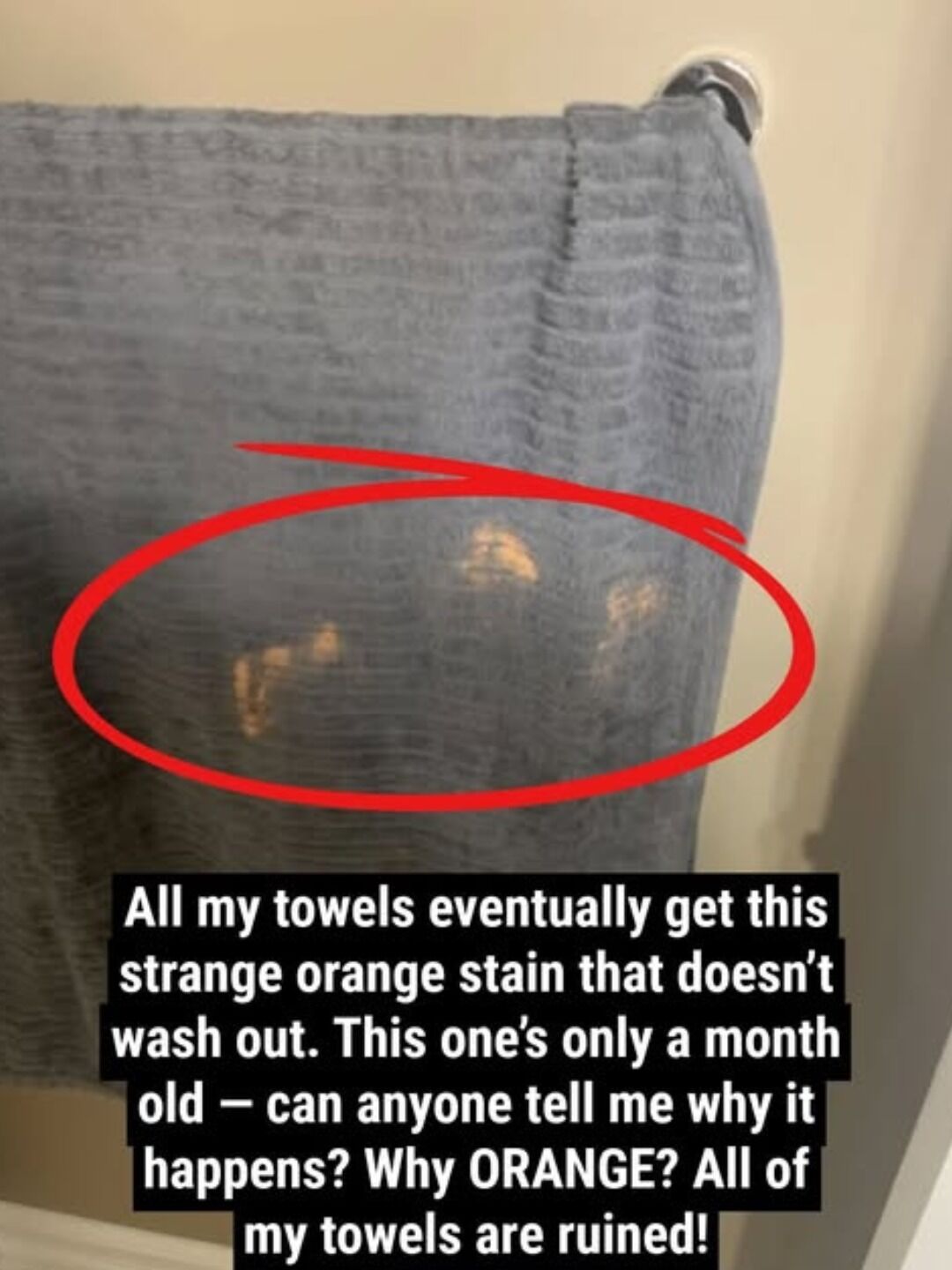
When you notice unusual orange or light-colored stains on your towels, it can be perplexing and frustrating. The appearance of these stains often leaves many individuals questioning the integrity of their laundry methods and the quality of their towels. One of the most common culprits behind these unsightly marks is a chemical known as benzoyl peroxide. This ingredient is widely utilized in numerous acne-fighting skincare products. While effective in treating acne, benzoyl peroxide poses a significant risk to your fabrics due to its strong oxidizing properties. Understanding the implications of using such products can help you make informed decisions about your skincare routine and towel care, ultimately leading to more effective maintenance of your household items.
The Oxidizing Nature of Benzoyl Peroxide
Benzoyl peroxide’s effectiveness against acne comes from its ability to eliminate bacteria and exfoliate the skin. However, this same quality makes it a formidable foe for colored fabrics. When benzoyl peroxide comes into contact with dark towels—such as those in shades of black, navy, or charcoal—it can act similarly to bleach. The chemical reaction strips darker pigments from the fabric, leaving behind lighter, often orange or yellowish hues. This occurs because the chemical targets the more intense colors first, resulting in a stark contrast that can be quite unsightly.
Sadržaj se nastavlja nakon oglasa
To illustrate this, consider a scenario where an individual uses a benzoyl peroxide-infused product on their face. After washing their face, they inadvertently wipe their hands on their dark towel. The result? An alarming orange stain that seems to ruin the towel’s appearance. Understanding this chemical interaction not only sheds light on the problem but also emphasizes the importance of proper towel care, especially when using such potent skincare products.
Identifying the Type of Stains
If you find yourself trying to determine whether a stain on your towel is due to benzoyl peroxide or from some other source, there’s a straightforward test you can perform.
Typically, if the stain is lighter than the original color of the towel, it is likely a result of bleaching from benzoyl peroxide. Conversely, if the stain appears darker than the towel, it is probably a regular stain, which may respond to traditional cleaning methods.
Unfortunately, once the fabric has been bleached, no amount of detergent or scrubbing will restore the lost color—it’s akin to permanently altering the fabric’s very makeup.
Moreover, understanding the method to identify these stains can save you frustration in the long run. For instance, if you encounter a lighter stain, it may signal the need to change your towel-washing practices.
In contrast, darker stains can often be treated with targeted stain removers or simple household remedies, such as a vinegar and baking soda mixture. This differentiation allows you to tailor your laundry care routine based on the specific challenges you face with your towels.
Other Potential Causes of Towel Stains
While benzoyl peroxide is the prime suspect behind many towel stains, it is far from the only offender. Several other factors can contribute to the appearance of unsightly marks on your towels.
For instance, rust from aging plumbing can lead to reddish-brown streaks on towels, particularly if they are exposed to water that has high iron content. The presence of such minerals can create a noticeable discoloration that is aesthetically displeasing yet manageable through specific cleaning techniques.
Furthermore, a bacteria known as Serratia marcescens can create a pinkish film on your towels, which is typically easier to remove through regular cleaning.
Unlike the permanent effects of benzoyl peroxide, these stains tend to be surface-level and can often be wiped away readily, providing a stark contrast in the type of maintenance required for your towels.
Regularly cleaning your towels and ensuring they dry sufficiently can help minimize the occurrence of these bacteria and associated stains.
Preventive Measures to Protect Your Towels
To avoid damaging your towels and prolong their lifespan, implementing some preventive measures is essential. One effective strategy is to use white towels specifically for your face. Since these towels lack color, they won’t suffer from the bleaching effects caused by acne products.
Moreover, always ensure that you rinse your face thoroughly after using benzoyl peroxide treatments, as any residual product can inadvertently come into contact with your towels.
In addition, consider switching to other acne-fighting ingredients, such as salicylic acid, which do not pose the same risk to fabric. Keeping dedicated towels for skincare routines can also help minimize cross-contamination and protect your more aesthetically pleasing towels.
Regularly washing your towels with mild detergents and avoiding the use of bleach can maintain the integrity of the fabric while extending its lifespan.
Repurposing Damaged Towels
Even if your towels do become stained, there’s no need to discard them entirely. Ruined towels can still be repurposed for various uses around the home. For example, they can be transformed into cleaning rags, ideal for tackling household chores or as gym towels.
This not only extends the life of the fabric but also encourages sustainability by reducing waste. By creatively repurposing these items, you can continue to benefit from their functionality without compromising your aesthetic preferences.
Consider using old towels for dusting, cleaning surfaces, or even protecting furniture during DIY projects. Their absorbent qualities make them suitable for various applications, and you can cut them into smaller pieces for more convenient use.
This approach not only promotes environmental responsibility but also ensures that you are maximizing the utility of your textile products.
Conclusion
The appearance of strange stains on towels can often be traced back to benzoyl peroxide and its bleaching properties. However, it is essential to recognize that other factors may also play an integral role.
Understanding the nature of these stains, their sources, and how to properly care for your towels can help you maintain their color and quality for longer. By adopting preventive measures and exploring creative repurposing ideas, you can ensure that your towels remain both functional and pleasing to the eye.
In the end, maintaining clean, vibrant towels requires a combination of vigilance, proper cleaning methods, and an understanding of the products you use in your skincare routine.
By staying informed about the effects of various chemicals and taking proactive steps, you can keep your towels looking their best while navigating the challenges of modern skincare.