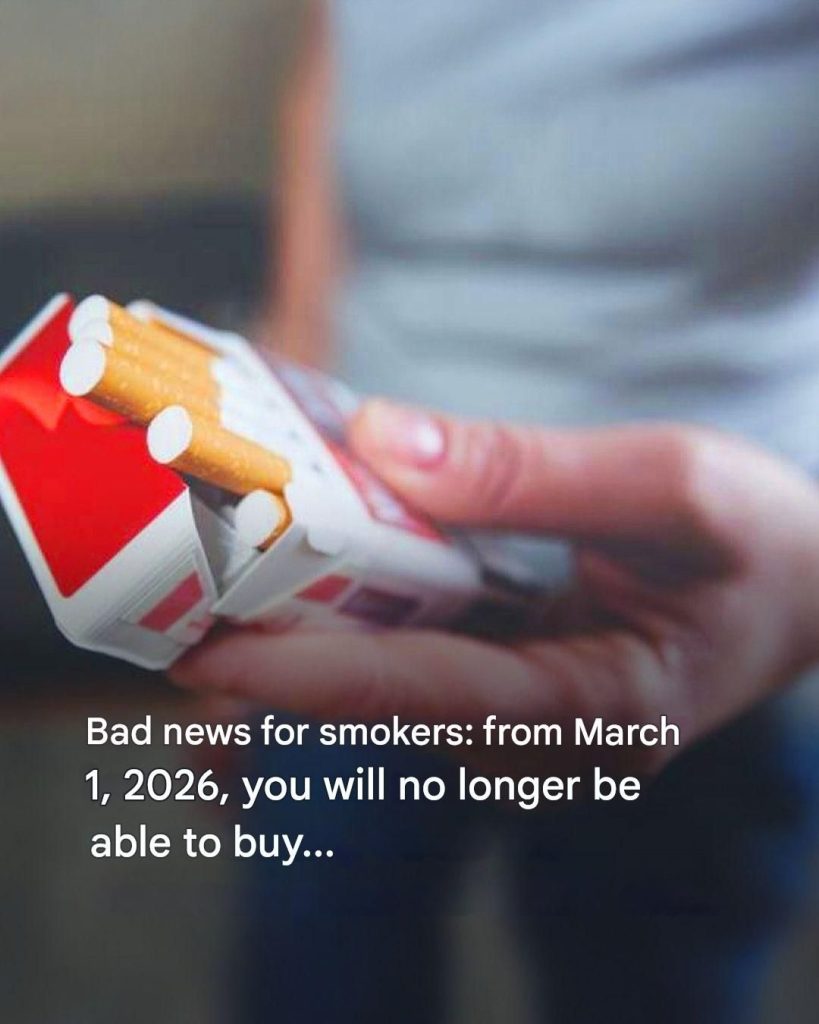
The Rising Cost of Tobacco in France: Understanding the Price Dynamics
The cost of a pack of cigarettes in France has been on an upward trajectory, reflecting both government policies and market dynamics. This article aims to provide a comprehensive overview of how tobacco prices are determined, the role of taxes, and the expected future price trends. As France continues to implement stringent public health policies, understanding the factors influencing tobacco pricing is more crucial than ever. With smoking rates declining in many parts of the world, the pressure mounts for tobacco companies and retailers to adapt to a changing landscape while navigating the complexities introduced by governmental regulations.
How Tobacco Prices are Established in France
In France, the determination of tobacco prices is a multifaceted process that involves both manufacturers and regulatory authorities. Tobacco manufacturers or importers set the initial retail price for their products, which is influenced by production costs, trade margins, and mandatory taxes. This proposed price is then reviewed and approved by the French authorities, particularly the Directorate General of Customs and Indirect Taxes (DGDDI). The oversight ensures that the prices align with existing regulations and health policies. Moreover, the manufacturers must consider public sentiment and consumer purchasing power, which can vary significantly across different regions.
Components of Cigarette Pricing
The retail price of cigarettes comprises three major components: the tobacconist’s margin, the manufacturer’s margin, and the taxes imposed by the government. The tobacconist typically earns a margin of about 8% to 10% on the total cost, while the manufacturer’s margin hovers around 15%. However, a significant portion of the final price—between 75% and 80%—is attributable to taxes. This heavy taxation is a deliberate strategy by the government to discourage tobacco consumption while generating revenue that can be allocated to public health initiatives.The Role of State Taxes in Tobacco Pricing
State taxes play a pivotal role in shaping the price of tobacco products. In France, the primary taxes affecting cigarette prices are excise duty and value-added tax (VAT). These taxes are strategically designed not only to deter tobacco consumption but also to address the healthcare costs associated with smoking-related diseases. The excise duty is calculated based on both a percentage of the retail price and a fixed amount per unit, ensuring that the tax burden increases in line with retail prices. Additionally, the VAT rate, which is currently set at 16.66%, is applied to the retail price of tobacco, further driving up costs for consumers. This compounding effect of multiple taxes serves as a robust deterrent against smoking, particularly among younger populations.Recent and Upcoming Price Increases
As of January 1, 2026, consumers can expect further increases in the price of cigarettes. Recent adjustments have pushed the average cost of a pack of 20 cigarettes to approximately €12.50 to €13. This increase is a continuation of the pricing strategy established by the French government as part of its public health initiative aimed at reducing smoking rates in the country. The latest adjustments have led to many brands breaching the psychological barrier of €12.50, with some reaching €13 or more. These price hikes are often accompanied by public awareness campaigns that highlight the health risks associated with smoking, further reinforcing the government’s message and intentions.Comparative Analysis: Tobacco Prices in Europe
When examining tobacco prices in a broader European context, France stands out as one of the countries with the highest costs for tobacco products. In contrast, neighboring countries such as Andorra, Spain, and Luxembourg offer significantly lower prices, often ranging between €4 and €6 per pack. This discrepancy highlights the challenge faced by French policymakers in combating cigarette smuggling and cross-border purchases. Consumers, motivated by the stark price differences, frequently travel across borders to buy cheaper tobacco, undermining local sales and public health efforts. Moreover, this cross-border purchasing behavior raises questions about the effectiveness of national-level taxation strategies in achieving health goals.The Impact of Public Health Policies on Tobacco Pricing
The ongoing increase in tobacco prices is part of a larger public health strategy aimed at reducing smoking prevalence and its associated health risks. In France, smoking is linked to over 75,000 deaths annually, making it a significant public health concern. The National Tobacco Reduction Programme (PNRT), initiated in 2014, has employed various measures to combat smoking, including plain packaging, awareness campaigns, and continuous price increases. These efforts are designed to dissuade new smokers from starting and encourage current smokers to quit. The success of these initiatives can be observed in the gradual decline in smoking rates among younger demographics, although challenges remain in reaching older populations who may have established long-term smoking habits.Future Directions and Projections
Looking ahead, projections suggest that the average price of a pack of cigarettes could reach €20 by 2030, with estimates indicating potential costs of €26 by 2040 if current policies remain unchanged. This long-term strategy reflects a commitment to reducing tobacco consumption through financial disincentives. As France moves forward, it must balance the need for public health interventions with the realities of consumer behavior and market dynamics. The expected price increases may necessitate an adaptation of marketing strategies by tobacco companies, who may explore alternatives such as reduced-risk products or diversifying their portfolios to include less harmful alternatives in response to evolving consumer preferences.In conclusion, the rising price of tobacco in France is the result of a confluence of factors, including government regulations, taxation strategies, and public health initiatives. As the landscape of tobacco pricing continues to evolve, it remains critical for both consumers and policymakers to stay informed about these developments, as they will undoubtedly have far-reaching implications for public health and the tobacco industry. Understanding the broader context of these price dynamics is essential for creating effective policies that not only address smoking prevalence but also support individuals seeking healthier lifestyle choices.