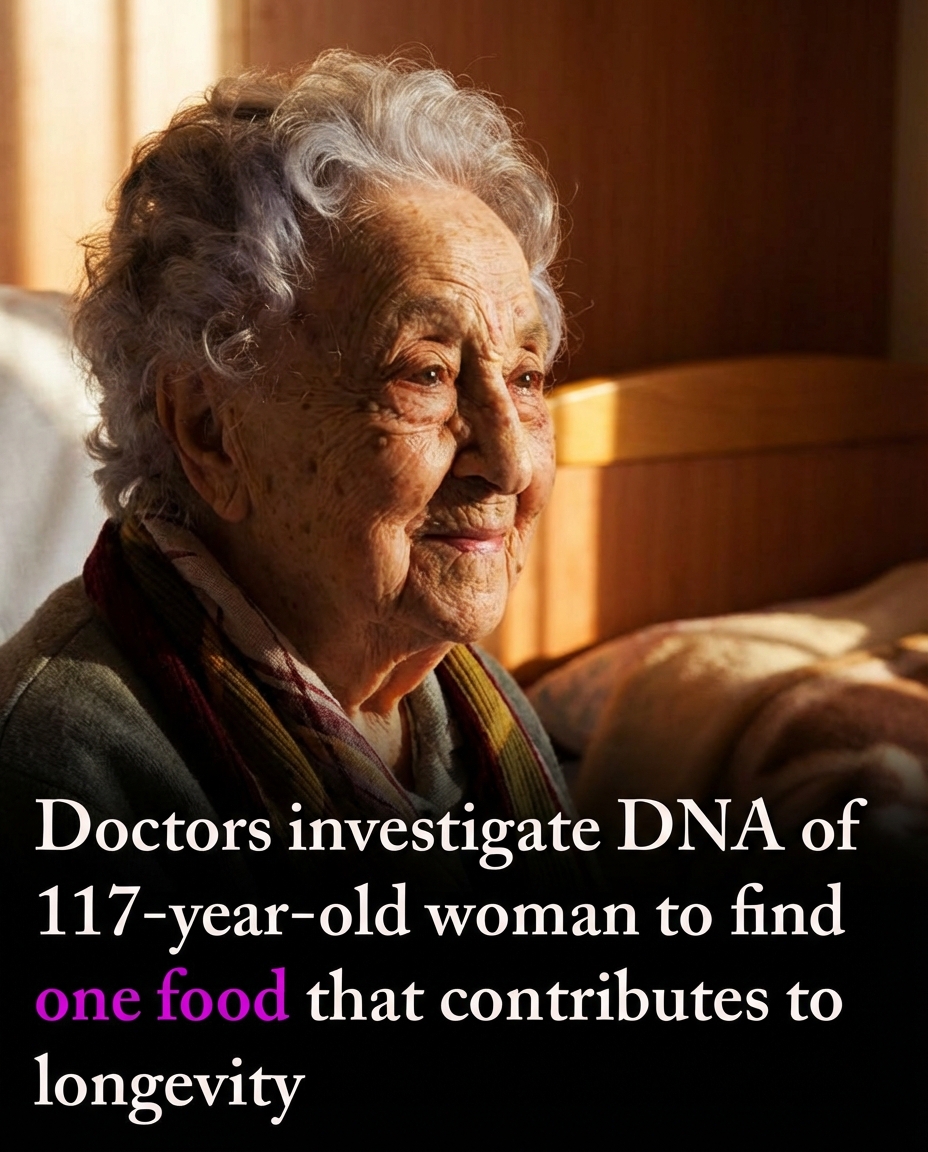
The Remarkable Legacy of Maria Branyas Morera: Insights into Longevity
The extraordinary life of Maria Branyas Morera serves as a captivating case study for scientists dedicated to unraveling the complexities of aging and longevity. Born in the United States in 1907, Maria’s journey took her to Spain, where she would spend the majority of her life. She became a symbol of resilience and vitality, living to the impressive age of 117 before her passing in 2024. In a groundbreaking gesture, she contributed her biological data to ongoing research, with the hope that her unique genetic makeup could illuminate the factors that enable certain individuals to surpass the average life expectancy while maintaining good health.
A Glimpse into Genetic Research
Researchers affiliated with the University of Barcelona and the Josep Carreras Leukaemia Research Institute took a keen interest in Maria’s remarkable genetics. Through a meticulous analysis of her DNA, they identified specific genetic traits that are associated with enhanced cellular function and a decreased likelihood of developing age-related diseases. Their findings suggested that Maria’s biological makeup exhibited characteristics that effectively slowed down certain aging processes typically observed in the general population. This insight not only deepens our understanding of human biology but also provides a compelling framework for future studies aimed at unraveling the intricacies of aging.
One particular aspect that stood out in the genetic research was the discovery of certain alleles that appeared to be linked to longevity. For instance, variants of the APOE gene, known for its role in lipid metabolism, have been linked to Alzheimer’s disease and other cognitive impairments. However, in Maria’s case, the specific variant that researchers found in her genome was associated with a lower risk of cognitive decline. This makes her a valuable subject for understanding not just how we age, but how we can possibly age gracefully while retaining cognitive function.
Indicators of Health: Inflammation and Metabolism
Among the many intriguing aspects of her genetic profile, researchers noted that Maria displayed healthy levels of inflammation and stable metabolic patterns, indicators often compromised in individuals much younger than she was. Chronic inflammation is often considered a precursor to many age-related diseases, including heart disease and diabetes. Maria’s ability to maintain such levels of health suggests that a combination of favorable genetics and a lifestyle focused on wellness played a critical role in her longevity. This insight emphasizes the importance of understanding both hereditary factors and lifestyle choices in the study of aging.
Moreover, the role of metabolism in aging cannot be understated. Maria’s metabolic processes were found to be efficient and balanced, which researchers believe contributed to her longevity. For example, her body was adept at converting food into energy without excessive fat storage—a factor that is often linked with the development of age-related diseases. This unique metabolic profile may serve as a significant area for further research, potentially allowing scientists to identify interventions that could replicate these benefits in younger populations.
The Role of Lifestyle Choices
Maria’s remarkable longevity cannot be attributed solely to her genetic makeup; her lifestyle choices significantly contributed to her well-being. She steadfastly avoided smoking and alcohol, two habits known to accelerate aging and diminish health. Furthermore, she maintained a regimen that included regular physical activity, which is vital for cardiovascular health and overall quality of life. Maria’s favorite activities included walking in nature and engaging in light stretching exercises, which are known to improve both physical and mental health.Additionally, Maria placed a strong emphasis on nurturing meaningful relationships with her family and friends, highlighting the importance of social connections in enhancing life satisfaction and emotional well-being. Studies have shown that individuals with robust social networks tend to live longer and experience lower levels of stress. Maria’s life exemplified this notion, as she often credited her long life to the love and support she received from her family, particularly during challenging times. The combination of these factors illustrates how lifestyle can intersect with genetics to foster a long, fulfilling life.
Nourishment as a Cornerstone of Health
A critical component of Maria’s lifestyle was her diet, which included foods rich in nutrients beneficial for health. Her daily intake featured probiotic-rich yogurt and a morning smoothie packed with various whole grains. These choices are aligned with contemporary nutritional science, which emphasizes the importance of probiotics for gut health and overall immunity. By incorporating such foods, Maria not only supported her digestive system but also contributed to her general well-being.In addition to probiotics, Maria favored a Mediterranean diet, abundant in fruits, vegetables, whole grains, and healthy fats like olive oil. This dietary pattern is not just a personal preference but is backed by extensive research as one of the healthiest ways to eat. Studies have indicated that the Mediterranean diet can reduce the risk of chronic diseases, improve cognitive function, and promote longevity. The implications of her dietary habits extend beyond personal health; they underscore the potential benefits of balanced nutrition as a strategy for healthier aging.
The Significance of Telomeres in Longevity
Another fascinating area of research surrounding Maria’s life involves the study of telomeres, the protective caps located at the ends of chromosomes. Telomeres play a pivotal role in cellular aging, as they shorten with each cell division, leading to cellular senescence. Researchers found that Maria’s telomeres exhibited remarkable preservation, a finding that aligns with her overall profile of exceptional health and longevity. This discovery suggests that a combination of inherited traits and consistent healthy lifestyle choices may contribute significantly to maintaining telomere length.Understanding the dynamics of telomeres can provide invaluable insights into the biological mechanisms of aging. For instance, research has suggested that stress and poor lifestyle choices can accelerate telomere shortening. Conversely, practices such as mindfulness, regular exercise, and a nutritious diet have been associated with longer telomeres. Maria’s lifestyle exemplified the latter, indicating that her holistic approach to health may have played a significant role in preserving her telomeres. This opens new avenues for research aimed at promoting longevity and healthy aging.
Inspiration for Future Generations
The life of Maria Branyas Morera continues to be a beacon of hope and inspiration for scientific inquiry into aging. Her story illuminates how balanced nutrition, positive daily routines, and strong social connections can work synergistically to promote healthier aging. As researchers delve deeper into the factors that contribute to longevity, Maria’s legacy serves as a reminder of the profound impact of both genetics and lifestyle choices on our health trajectories.Moreover, Maria’s life encourages individuals to actively engage in behaviors that support longevity. From adopting a nutritious diet to nurturing relationships, her example challenges us to take charge of our health and well-being. By studying individuals like Maria, we not only gain insights into the science of aging but also cultivate a deeper appreciation for the ways in which we can enhance our own lives, leading to a healthier, more vibrant future for generations to come. As the pursuit of longevity continues, her story remains an invaluable source of hope and guidance, inspiring future generations to strive for a longer and healthier life.