The Gradual Departure: A Personal Journey Through Dementia
Loss is seldom a sudden event; instead, it often unfolds slowly, much like the dimming of a light bulb as it nears the end of its life. This gradual departure is particularly poignant in the context of dementia, a condition that not only affects the individual diagnosed but also profoundly impacts their loved ones. My mother’s decline was not marked by one dramatic moment but rather by a series of small, almost imperceptible lapses that slowly stole her from me. I still vividly recall the first signs of her fading memory: keys discovered in the refrigerator, appointments forgotten, and the same stories retold with an identical smile that masked her confusion. Initially, we approached these quirks with humor, dismissing them as mere symptoms of aging. However, the turning point came on a day I will never forget; she looked at me with a warm yet puzzled expression, asking if I lived next door. It was a moment that signaled a shift in our reality, a prelude to challenges that lay ahead.
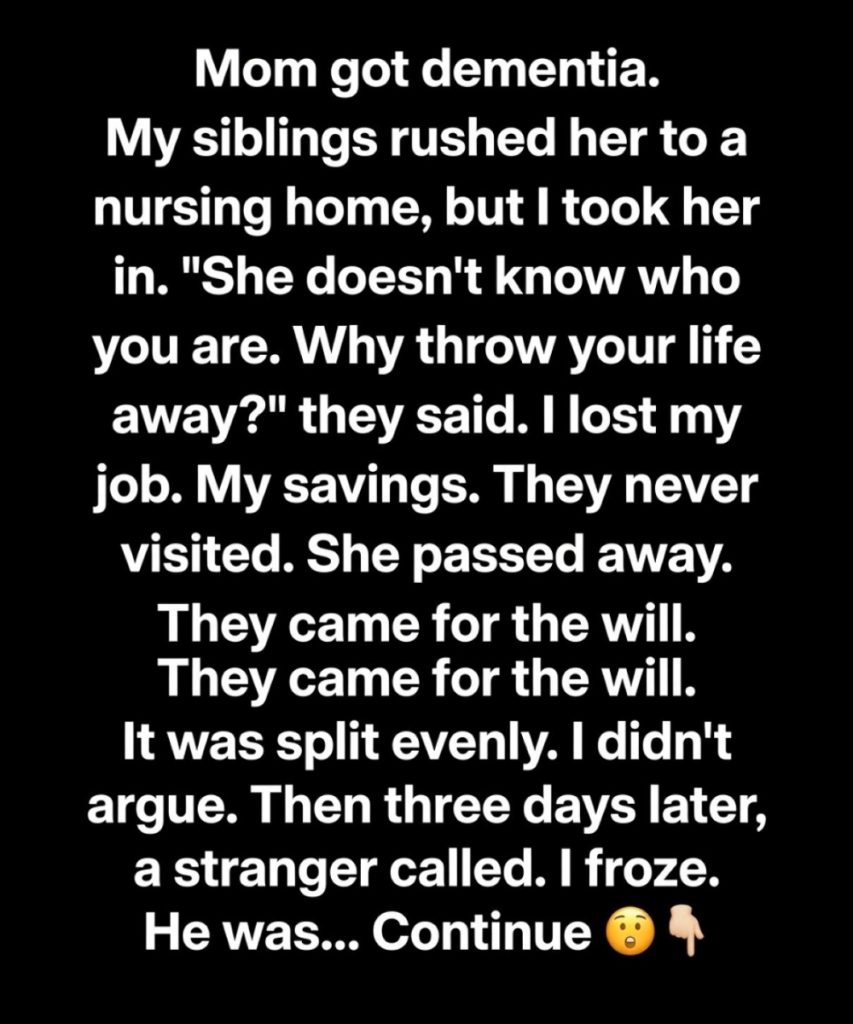
The day the doctor shared the diagnosis felt like a weighty fog rolling in. The blend of clinical terminology and emotional burden created an atmosphere thick with apprehension. Terms like “progressive” and “unpredictable” lingered in the air, each word a stark reminder of the turbulent journey we were about to embark on. My siblings and I, in an attempt to regain a sense of control, found ourselves diving into logistical discussions—talking about medical facilities, waiting lists, and monthly expenses—as if we were planning a corporate strategy rather than preparing for a deeply personal crisis. In those moments, I felt a tug in my heart; I could not bear the thought of placing her in a strange environment, leaving her vulnerable and afraid. I needed her close, and so I made the decision—a choice that would shape our lives forever—to bring her home, where she belonged.
As I took on the responsibility of caregiving, I was met with warnings from friends and acquaintances who had walked this path before me. They cautioned me about the relentless cycle of caregiving, foreseeing the potential for exhaustion and resentment, especially if my mother never recognized my sacrifices. I took their words to heart but made a conscious choice to stay. Caring for her gradually began to dismantle the life I had carefully constructed. My work hours shrank, and eventually, I lost my job as I redirected all my energy toward her care. Financial resources dwindled, consumed by the myriad costs of prescriptions, specialized meals, and crucial safety modifications around the house. What was once a vibrant world of personal ambition and social engagement reduced itself to the routines of her day, her emotional fluctuations, and the increasingly fragile remnants of her calm demeanor.
Throughout this journey, each day presented a new emotional landscape. Some days were suffused with gentle nostalgia, as she hummed the melodies of her youth, her eyes sparkling like sunlight illuminating the floorboards. On other days, she was engulfed by anxiety, lost in a labyrinth of fears she could not articulate. My siblings checked in occasionally, but their visits grew infrequent as life’s demands took hold. Amid this evolving landscape of familial responsibilities, I constantly reminded myself of a profound truth: love does not require recognition. Even when her memory of my name faded into oblivion, her sense of comfort returned with my touch. Holding her hand brought her peace, and in those tender moments, I found solace in knowing that our bond remained intact, an unbreakable thread woven through the fabric of her fading consciousness.
The day she passed was serene, almost poetic—just before dawn, I stayed by her side, holding her hand as she peacefully slipped away, embodying the same gentle demeanor that had characterized her last years. Following her death, my siblings returned to address the necessary logistical arrangements—reading her will and dividing her belongings with precision, as preordained by her prior arrangements. I remained silent, neither contesting their decisions nor explaining the depth of my commitment to her care. Instead, I found myself hollowed out by grief, feeling that the sense of peace that enveloped me was far more valuable than any need for validation or understanding from others. It was a quiet release, a testament to the love we shared, even as the world around us moved on.
Three days after her passing, my phone rang unexpectedly. On the other end was a man I had never met—a former colleague of my mother’s. His voice was carefully measured, almost reverent, as he spoke of a request my mother had made early in her illness—a request to keep something safe. It was not a hidden treasure or a fortune, but rather a modest account she had set up in my name, a gesture of gratitude, not compensation for my sacrifices. Along with this revelation came a letter penned in her steady handwriting, written long before her ability to articulate words had faded. In it, she expressed her gratitude for my patience, my gentleness, and my unwavering decision to remain by her side throughout her journey. The words resonated deeply, filling the void left by her absence with a sense of purpose and validation.
In that moment, a wave of clarity washed over me. I realized that while memories may fade, love leaves behind an indelible trace—a mark that endures beyond the confines of time and memory. What I had given to her mattered significantly, and in the end, it returned something invaluable—not material wealth or public recognition but an unwavering certainty that I had made the right choices. This realization settled within me like a warm embrace, providing the comfort I desperately needed during a time of profound loss. In that quiet certainty, I found my peace, knowing that love had indeed triumphed over forgetfulness, leaving behind a legacy of compassion and connection that would continue to shape my life long after her departure.