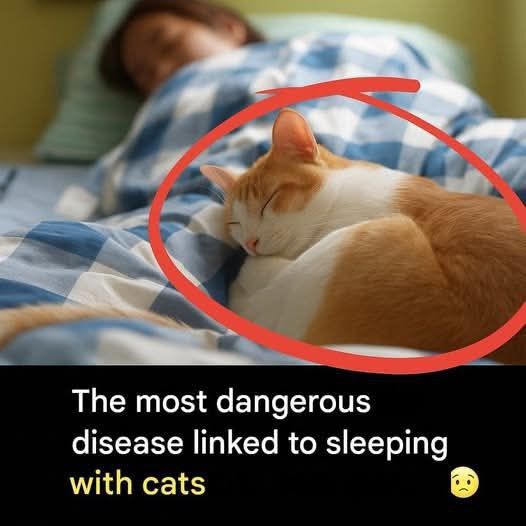
Understanding the Risks of Sleeping with Your Cat
As the bond between humans and their feline companions grows stronger, many cat owners opt to share their beds with their pets. For countless individuals, this arrangement offers a sense of comfort, companionship, and emotional fulfillment. However, while sharing a bed with a cat can be a delightful experience, it is crucial to understand that this practice may also pose certain health risks if appropriate precautions are not taken. By being aware of these risks and implementing preventative measures, cat owners can enjoy their pets’ company without compromising their well-being.
The Dangers of Toxoplasmosis
One of the most significant health concerns linked to close contact between humans and cats is toxoplasmosis. This disease is caused by a tiny parasite known as Toxoplasma gondii, which is frequently found in cat feces. The parasite is remarkably resilient, capable of surviving in various environments for extended periods. Humans can become infected primarily through accidental ingestion of the parasite’s cysts, often occurring when hands that have come into contact with contaminated surfaces, soil, or litter are then placed in the mouth without thorough washing.
The life cycle of Toxoplasma gondii is quite complex. Cats are the definitive hosts, meaning they are the only animals in which the parasite can reproduce. When these cats excrete the parasite in their feces, it can contaminate the environment. Not only can people contract the disease from their pets, but they can also pick it up from contaminated food, water, or soil. This makes it essential for cat owners to be diligent about their hygiene practices, especially if their pets are free-roaming.
Symptoms and Vulnerable Populations
For most healthy individuals, the effects of toxoplasmosis are mild, often presenting as fatigue, low-grade fever, swollen lymph nodes, or muscle aches that mimic flu-like symptoms. However, the potential consequences can be much more severe for individuals with weakened immune systems, such as those undergoing chemotherapy, individuals with autoimmune diseases, or people managing chronic health conditions. In these cases, toxoplasmosis can lead to complications affecting vital organs, including the brain and eyes.
Particularly alarming is the impact of the disease on pregnant women. Research has shown that if a pregnant person becomes infected with Toxoplasma gondii, it can lead to serious complications for the fetus, including congenital toxoplasmosis. Symptoms in newborns can range from mild to severe and may include jaundice, an enlarged liver, and even seizures. Therefore, vigilance is key in preventing transmission during this vulnerable time.
Pregnancy and Toxoplasmosis
The risks associated with toxoplasmosis are especially pronounced for pregnant women. If a pregnant individual contracts the infection for the first time during pregnancy, the parasite has the potential to cross the placenta, thereby infecting the developing fetus. This can result in serious outcomes, including miscarriage, vision impairments, developmental delays, or neurological disorders in the child. Consequently, it is imperative for expectant parents living with cats to take extra precautions to mitigate these risks.
Pregnant women should consider having someone else take over the litter box duties during their pregnancy. If this is not possible, wearing gloves and ensuring thorough handwashing after cleaning is crucial. Additionally, avoiding raw or undercooked meat, which can also harbor Toxoplasma gondii, is an essential dietary precaution during pregnancy.
Effective Preventative Measures
The good news is that there are multiple effective strategies for reducing the risk of contracting toxoplasmosis while still enjoying the companionship of your feline friend. Proper hygiene practices are paramount. Regularly cleaning the litter box—preferably daily—can significantly lower the number of parasite cysts that may become infectious. Ideally, individuals who are pregnant or immunocompromised should avoid handling litter box duties altogether. Additionally, thorough hand washing with soap and water after handling your cat, cleaning the litter box, or touching areas your cat frequently occupies is vital. In situations where soap and water are not readily accessible, alcohol-based hand sanitizers can serve as a useful alternative.Furthermore, it is beneficial to keep your cat indoors, limiting its exposure to potentially contaminated environments. If your cat does go outside, consider having a designated area where they can play that is less likely to be contaminated. Taking these extra steps aids in reducing the overall risk of infection significantly.
Creating a Safe Sleeping Environment
Limiting your cat’s access to your sleeping area is another effective method for minimizing risk. While this may prove emotionally challenging for some cat owners, maintaining cleanliness within the bedroom and washing bedding frequently can create a safer environment. Regular visits to the veterinarian are also crucial for keeping your cat healthy and reducing the risk of transmitting infections to humans. A well-cared-for cat, one that receives appropriate medical attention, parasite prevention, and vaccinations, is less likely to harbor infections that could pose a threat to its human family.
In addition to maintaining a clean environment, consider implementing specific routines, such as grooming your cat regularly to reduce shedding and dander, which can also be potential allergens. Using air purifiers in your bedroom can further enhance air quality, making it a more comfortable sleeping environment for both you and your cat.
Maintaining Your Cat’s Health
Feeding your cat high-quality food, providing it with opportunities for exercise, and ensuring it receives mental stimulation can further reduce its exposure to parasites. A healthy and happy cat is generally less prone to behaviors that may contribute to household contamination, thereby enhancing the safety of living environments. Moreover, it is essential for cat owners to focus on their own immune health. Incorporating natural remedies such as vitamin C, herbal teas like ginger or echinacea, and garlic into their diet can support immune defenses and overall well-being.
Regular veterinary check-ups are vital for your pet’s long-term health. Annual vaccinations can protect against various diseases while routine fecal exams can screen for parasites. Keeping your cat on a proper parasite prevention regimen can further diminish the likelihood of health risks associated with sharing your living space with them.
Enjoying the Bond with Your Cat
Sharing your bed with a cat can be a profoundly rewarding experience, providing both emotional support and a sense of security. The calming presence of a cat purring beside you can help alleviate stress and create a peaceful bedtime atmosphere. By adhering to proper hygiene practices, staying informed about potential health risks, and ensuring both you and your pet remain healthy, you can confidently enjoy the unique companionship that cats offer. The bond formed through shared moments, whether during cozy nights or playful afternoons, can enrich both your life and your pet’s.
With the right precautions in place, you can continue to cherish the irreplaceable presence of your feline friend. Ultimately, the joy and comfort that a cat brings into your life can far outweigh the potential risks, provided that you remain vigilant and take proactive steps to ensure a safe environment for both you and your beloved pet.