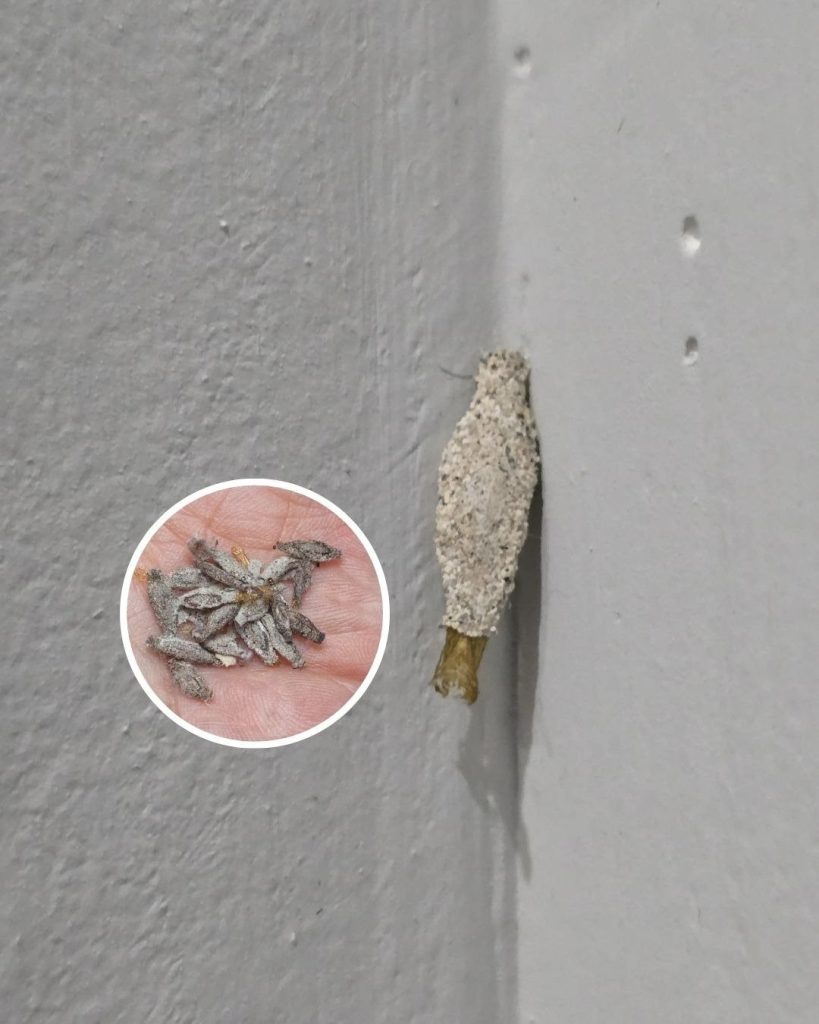
The Mystique of the Kamitetep Moth: A Digital Age Hoax
In the vast and often bewildering world of social media, certain images can capture the collective imagination and set the internet ablaze with curiosity and concern. Recently, one such image made the rounds: a large, fuzzy moth boasting eerie, eye-like markings, seemingly plastered against a wall like a bizarre living sticker. Dubbed the “Kamitetep moth” (occasionally referred to as Tetrablemma kamitetep), this creature was said to inhabit the elusive “Shaw Forest” or “Shaw Jungle” and was accompanied by warnings about its painful sting. This phenomenon serves as a perfect illustration of modern digital folklore—creepy, plausible, and highly shareable. However, before you rush to inspect your walls, it’s crucial to delve into the reality behind this viral sensation.
The Unveiling: A Clever Fabrication
The first and foremost realization is that the “Kamitetep moth” is a complete fabrication. It does not appear in any scientific entomological records, nor can it be found in the natural world. Instead, the image circulating online is a highly detailed and realistic digital creation, a product of speculative biology art. The clues to its fictional nature are cleverly woven into its very name and design. The name itself raises eyebrows—a blend of fabricated elements, with “Tetrablemma” being a genuine genus of small armored spiders, not moths. The suffix “kamitetep” appears to be entirely invented, designed to evoke a sense of exoticism without any basis in reality. In a world where misinformation can spread like wildfire, this serves as a reminder of the need for critical thinking when encountering such sensational claims.
Sadržaj se nastavlja nakon oglasa
Inconsistent Anatomy and Phantom Origins
Looking closely at the anatomy of the so-called moth reveals even more inconsistencies. The creature is depicted with an unusual flatness and an adhesive posture reminiscent of spiders or frogs rather than any known species within the Lepidoptera order. Its fuzzy texture resembles plush fabric, while the symmetrical patterns on its body feel unnaturally perfect. Furthermore, the “Shaw Forest” or “Shaw Jungle”—the purported habitat of this creature—exists in no geographical records, presenting a clear indication that the entire premise is fictional. The absence of credible scientific evidence combined with the bizarre characteristics of the moth raises significant red flags about its authenticity, illustrating how easily the line between fact and fiction can blur in the digital age.
The Artistic Source Behind the Illusion
The imaginative spark behind this captivating concept belongs to a digital artist skilled in crafting hyper-realistic fictional creatures. The appeal of the image doesn’t just lie in its aesthetics; it taps into deep-seated fears and fascinations with insects, particularly those that possess the potential for a painful sting. By leveraging a “found footage” style, the artist deftly creates a sense of authenticity that resonates with viewers. This approach mirrors the tactics often employed in horror films to elicit a visceral reaction, enhancing the illusion of reality. Such artistry showcases the profound impact of digital creativity and highlights our innate curiosity about the marvels and mysteries of nature. The Kamitetep moth, in essence, becomes a canvas for exploring the boundaries of imagination and the power of visual storytelling.
Real Moths: Nature’s Own Marvels
While the Kamitetep moth is an impressive figment of imagination, our actual world is replete with real-life moths that are equally astonishing, if not more so. One such example is the Venezuelan Poodle Moth, a peculiar creature discovered in 2009 that resembles a flying plush toy.
Its classification remains a topic of debate among entomologists, sparking discussions about the biodiversity of moths and their unique adaptations.
Another marvel is the Atlas Moth, one of the largest moths on the planet, boasting a wingspan of up to 12 inches, with wing tips that mimic snake heads to ward off potential predators. These adaptations serve as a remarkable testament to the evolutionary ingenuity of moths in the natural world.
Then there is the Madagascan Sunset Moth, known for its dazzling, iridescent colors that appear to be painted with metallic hues, capturing the attention of both researchers and enthusiasts alike.
Lastly, the Clearwing Moths, masters of disguise that can easily be mistaken for wasps or hornets due to their transparent wings, remind us of the complex survival strategies that insects develop.
These real-life examples serve not only to highlight the wonders of nature but also to emphasize the importance of conservation in maintaining biodiversity.
Understanding the Spread of Digital Hoaxes
The phenomenon of the Kamitetep moth encapsulates why such hoaxes spread so effortlessly across social media platforms. It plays into a variety of psychological triggers that engage our sense of wonder.
First, there’s the element of discovery: it presents itself as a newly identified species, appealing to our innate desire for exploration and novelty. The notion of potential peril, accentuated by the suggestion of a sting, adds an element of thrill and urgency.
This taps into the primal human instinct to be wary of potential dangers, even when unfounded. Lastly, the sheer visual intrigue of the moth, designed to be captivating, sparks imagination, encouraging shares, likes, and discussions.
The combination of fear, fascination, and aesthetic appeal creates a perfect storm for viral content, demonstrating how the digital landscape can distort our perception of reality.
Conclusion: The Fine Line Between Fact and Fiction
The “Kamitetep moth” serves as a digital-age parable, akin to folklore narrating tales of mythical creatures like the chupacabra.
While it reminds us of the thrill inherent in the mysterious, it also highlights the importance of discerning reality from fiction in an age where information is often just a click away.
The next time a peculiar creature catches your eye online, consider conducting a quick reverse image search or consulting reputable scientific resources to separate fact from fantasy. Such diligence can not only prevent the spread of misinformation but also enrich our understanding of the natural world.
Yet, perhaps the most enjoyable aspect of this digital curiosity lies in the wonder it inspires. Similar to ancient legends of jungle giants or lake monsters, the Kamitetep moth encapsulates a shared moment of “what if?” that thrives in our interconnected world.
In a time where digital storytelling continues to evolve, recognizing the allure of creativity while remaining vigilant against deception is essential for navigating the complexities of modern communication.