Elvis Presley’s 1968 Comeback: A Journey of Resilience and Reinvention
Netflix’s documentary, Return of the King: The Fall & Rise of Elvis Presley, offers an in-depth exploration of the complexities surrounding Elvis Presley’s remarkable comeback in 1968. This film sheds light on a turbulent period in the King of Rock and Roll’s life, where his immense fame was juxtaposed with personal challenges and artistic dilemmas. As he navigated the pressures of his career, Elvis grappled with self-doubt and the fear of becoming obsolete in a rapidly changing musical landscape. The documentary presents not just a narrative of triumph, but a profound reflection on resilience and the quest for authenticity.
During the mid-1960s, despite his status as a global superstar, Elvis found himself increasingly discontented with the trajectory of his career. The films he starred in, while commercially successful, often failed to showcase his true musical capabilities. Comedies and formulaic musicals dominated his filmography, leaving him creatively stifled. As Elvis himself expressed, the repetitive nature of these Hollywood productions left him yearning for the raw energy and emotional authenticity that characterized his early work in the 1950s. This yearning for artistic freedom and creative expression became a defining theme of his life during this tumultuous period.
Elvis’s admiration for iconic actors like James Dean and Marlon Brando underscored his desire to break free from the constraints of typecast roles, wishing instead to convey depth and sincerity through his performances. Unfortunately, films such as Double Trouble became the subject of ridicule, further alienating him from the public’s perception. This professional dissatisfaction was compounded by personal struggles, including severe stage fright and anxiety about whether he could still connect with audiences as he once had. It was during this time of uncertainty that he sought counsel from close friends, including Jerry Schilling, who helped him focus on reclaiming his identity as an artist. Schilling’s influence was pivotal as he encouraged Elvis to remember his roots and to believe in the power of his music.
In the documentary, rare interviews with Schilling reveal the gravity of Elvis’s internal battles. Despite his fame, he feared fading into obscurity, a sentiment that drove him to reconnect with his musical roots. In a bid to rediscover his passion, Elvis immersed himself in the genres that had originally ignited his career: rock and roll, blues, and gospel. This period of exploration was crucial, as he experimented with various musical arrangements and devoted himself to extensive rehearsals, all in an effort to bolster his confidence. The documentary highlights how this phase not only involved revisiting past hits but also embracing newer influences, showcasing his ability to adapt while remaining true to himself.
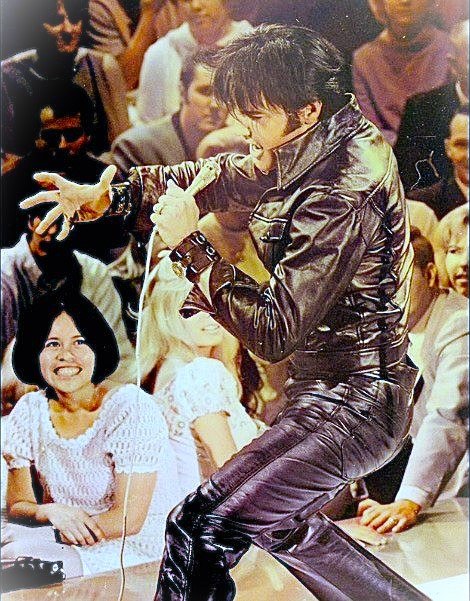
The culmination of his efforts materialized in the form of NBC’s 1968 Comeback Special, officially titled Singer Presents…Elvis. This performance marked a defining moment in his career. Backstage, the nerves were palpable, but once the cameras rolled, Elvis delivered a performance that was nothing short of electrifying. The iconic black leather suit, designed by Bill Belew, transformed him into a symbol of artistic revival. Borrowing inspiration from Marlon Brando’s character in The Wild One, this outfit not only highlighted his physicality but also signified his reclamation of creative authority. The documentary meticulously captures the atmosphere backstage, detailing the tension and excitement that surrounded this pivotal moment in his life.
The Comeback Special showcased the full spectrum of Elvis’s musical talents. He performed a mix of intimate solo acts, dynamic collaborations with his band, and powerful ensemble pieces that reminded audiences of the charisma that had made him a cultural icon. Songs like “If I Can Dream” and “Trouble” illustrated his emotional depth, allowing him to convey profound sentiments through voice and expression. This performance did more than just entertain; it reestablished him as a commanding force in the entertainment world, capable of captivating both live audiences and viewers at home. The inclusion of personal introspections and social commentary in his performances further illustrated Elvis’s growth as an artist, showing that he was not just a performer but also a thoughtful commentator on the times.
Beyond its immediate success, the 1968 Comeback signified a broader transformation in Elvis’s career. It revitalized his public image, restored his credibility, and opened the door to new artistic possibilities. Post-comeback, Elvis returned to the stage and studio with renewed passion, embracing a diverse array of musical styles while remaining anchored in his roots. The documentary underscores that this resurgence was not merely about a single performance; it was a comprehensive reclamation of identity and purpose. It also prompted a series of critically acclaimed albums and performances that showcased his versatility as an artist, paving the way for a rich and varied musical legacy that would influence countless musicians who followed.
Moreover, the film contextualizes Elvis’s comeback within the rapidly evolving music scene of the 1960s. As new artists emerged and rock and roll began to shift, Elvis’s return stood as a testament to the enduring power of artistry. He confronted not only public expectations but also industry pressures, demonstrating remarkable resilience and creativity. The documentary provides a nuanced perspective on the challenges faced by artists during this transitional period in music history, emphasizing how Elvis’s ability to adapt played a vital role in his enduring relevance. Ultimately, Return of the King provides a thorough examination of the obstacles Elvis overcame, including personal strife, professional challenges, and the quest for artistic integrity.
In conclusion, the documentary illustrates that the 1968 Comeback Special was more than a nostalgic throwback; it was a pivotal cultural milestone that reiterated Elvis Presley’s extraordinary talent and ability to inspire generations. Through his journey of rediscovery, Elvis not only transformed his own career but also left an indelible mark on the music landscape. This documentary serves as a powerful reminder of the importance of authenticity, resilience, and the relentless pursuit of one’s true self in the face of adversity. It encapsulates the essence of Elvis as both a cultural icon and a compassionate artist, inviting viewers to reflect on the challenges and triumphs of a true legend.