Understanding the SSSS: What It Means and How to Navigate It
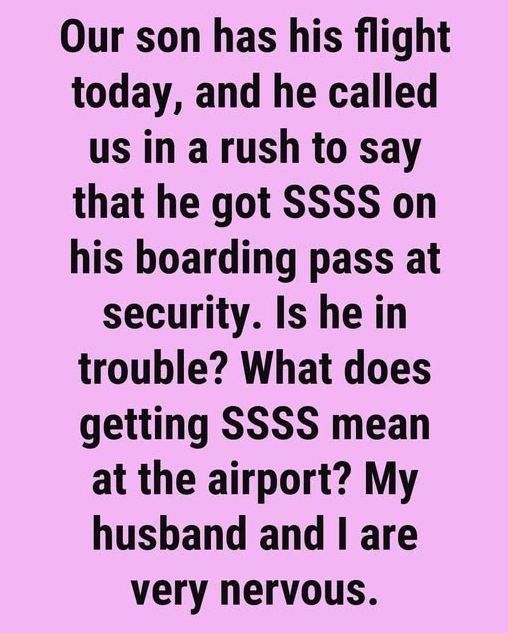
Being at the airport can be a stressful experience, particularly when faced with unexpected situations that add to the anxiety of travel. One of the most alarming moments is when you print your boarding pass, grab your coffee, and notice a four-letter acronym at the bottom of the barcode: SSSS. This seemingly random arrangement can feel like a punch to the gut, immediately raising concerns. You might find yourself questioning your actions: “Did I do something wrong?” “Am I on a watchlist?” “Will I miss my flight?” Take a moment to breathe. In this article, we’ll dive deep into what SSSS signifies, why it happens, and how to approach security screenings with calmness and grace.
The Meaning Behind SSSS
SSSS stands for Secondary Security Screening Selection. Understanding this designation is pivotal; it is not a personal condemnation or a reflection of your character. Rather, it operates as part of the TSA’s (Transportation Security Administration) Secure Flight program. This comprehensive system aims to enhance aviation security by identifying potential threats before passengers board their flights. The program cross-references passenger information with various government watchlists and databases to ensure that everyone flying is safe and secure.
The SSSS designation is a necessary component of maintaining safety in the aviation sector. Given the ongoing threat of terrorism and other forms of violence, the TSA must employ rigorous screening processes. The Secure Flight program analyzes extensive data, including travel patterns, ticket purchase behaviors, and even the frequency of travel. This data-driven approach is designed to preemptively identify individuals who may require additional scrutiny, thereby protecting all travelers.
What Triggers the SSSS Tag?
Receiving the SSSS tag on your boarding pass can occur for various reasons, many of which are entirely random or indirect. It’s essential to understand these triggers to alleviate any anxiety about being selected for additional screening. The most common triggers include:
- Random Selection: Occasionally, individuals are chosen randomly as part of routine security measures. This means that even if you have done nothing wrong, you might be selected without any specific cause.
- Name Similarity: If your name closely resembles someone on a watchlist, this could prompt additional scrutiny. The TSA employs algorithms that may flag names that are phonetically or visually similar to individuals of interest.
- Last-Minute Bookings: Particularly for one-way or international flights, last-minute reservations may raise flags. This can trigger a more rigorous review process, as sudden changes in travel plans are often considered a risk factor.
- Traveling from High-Risk Areas: Even if you are a U.S. citizen, flying from regions known for safety concerns can lead to an SSSS designation. Security protocols are heightened for these routes as a precautionary measure.
- Inconsistent Travel Patterns: If you are not a frequent flyer or if your travel itineraries are irregular, this may also contribute to being selected for extra screening. For example, if you typically fly only once a year, any sudden change in frequency could be viewed as a potential red flag.
It’s imperative to note that being flagged with SSSS does not imply any wrongdoing. You can think of it as a “security lottery”—there’s a chance you might get selected without any particular reason connected to your actions or behavior. In fact, SSSS is a standard procedure applied to many travelers, not just those with suspicious backgrounds.
Navigating the SSSS Screening Process
When you find SSSS on your boarding pass, it’s crucial to be prepared for what comes next. Understanding the screening process can significantly reduce the anxiety associated with this designation. Here’s what you can expect during the additional security screening:
- Increased Pat-Downs or Swabbing: TSA agents will likely perform a more thorough pat-down and may swab your hands, luggage, and possibly even your clothing for traces of explosive residue. This procedure is standard and reflects the TSA’s commitment to safety.
- Baggage Inspection: Your carry-on items will undergo a hand inspection, even if they have already passed through an X-ray machine. Be ready to open compartments and remove electronics as requested by the agents.
- Additional Questions: You may face simple queries such as, “Is this all your luggage?” and “Did you pack this bag yourself?” These questions are standard for verification, not an interrogation. They help agents confirm that the baggage belongs to you, which is a crucial security measure.
- Longer Wait Times: Expect to add an additional 5 to 15 minutes to your security process. Arriving early—at least two hours before domestic flights—can alleviate some of the stress associated with wait times.
Fortunately, this additional screening occurs before the regular security checkpoint. Once you complete this process, you can proceed as usual, which can help ease some of the anxiety associated with the SSSS designation. Awareness of what to expect during this process can transform a potentially stressful situation into a manageable one.
Tips for Managing SSSS Screening
If you find yourself with SSSS on your boarding pass, consider the following practical tips to make the experience smoother and less anxious:- Give Yourself Extra Time: Arrive at the airport 90 to 120 minutes early to ensure you have ample time for the extra screening. This buffer can prevent any last-minute panic and allow you to approach the screening calmly.
- Dress for Convenience: Wear shoes that are easy to remove and limit the amount of metal you carry. This will expedite the screening process and reduce the likelihood of additional delays.
- Pack Wisely: Place liquids in a clear quart-sized bag to have them ready for inspection. Organizing your carry-on items will facilitate a smoother screening experience.
- Stay Courteous: Always be polite and cooperative with TSA agents. They are simply doing their jobs, and kindness can go a long way in making the process smoother for everyone involved.
- Keep Calm: Remind yourself that being selected for additional screening is common. There’s no need to panic or argue; it’s a temporary situation, and staying composed can help you navigate it effectively.
Interestingly, even frequent flyers, celebrities, and TSA employees sometimes find themselves flagged with SSSS. This highlights that this process is not personal but rather a part of broader security efforts. Understanding this can help normalize the experience and reduce the feeling of isolation that may accompany being selected for additional screening.