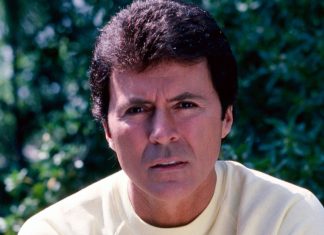
The Evolution of Andrew McCarthy: From Teen Idol to Acclaimed Writer and Director
In the vibrant landscape of the 1980s cinematic scene, few stars shone as brightly as Andrew McCarthy. With his boyish charm and an ability to portray characters steeped in romanticism and introspection, he quickly became the quintessential heartthrob of his generation. Posters of McCarthy adorned the bedroom walls of countless adolescents, and his roles in iconic films made him a household name. However, behind the glitzy facade of Hollywood fame, McCarthy’s journey was marked by personal struggles that would ultimately shape his identity.
Born in 1962 in Westfield, New Jersey, Andrew McCarthy experienced a childhood that was far removed from the glamour of Tinseltown. Growing up, he often felt isolated and grappled with feelings of inadequacy during his teenage years. These formative experiences instilled in him a deep sense of longing for connection, which he sought through various artistic outlets. McCarthy’s aspirations led him to enroll at New York University to study acting; however, his academic journey was short-lived as he faced challenges that culminated in his expulsion due to poor attendance. This setback, rather than deterring him, became a catalyst for an unexpected turn of events that propelled him towards his destiny.
In a serendipitous moment that would alter the trajectory of his life, McCarthy attended an open casting call for the film Class. His performance during this audition not only showcased his acting prowess but also catapulted him into the spotlight almost overnight. The mid-1980s saw McCarthy become a staple in cinema with celebrated performances in films like St. Elmo’s Fire, Pretty in Pink, Mannequin, and Weekend at Bernie’s. Each role contributed significantly to his burgeoning reputation as a leading man, often characterized by a compelling blend of vulnerability and charm that resonated with audiences. Yet, despite his commercial success, McCarthy found himself grappling with the overwhelming realities of fame and its psychological toll.
The overwhelming nature of celebrity culture took a toll on McCarthy. He candidly revealed that he struggled with the attention that accompanied his fame, often feeling uncomfortable and out of place in the spotlight. This discomfort was exacerbated by the pressures of public life, leading him to rely on alcohol as a coping mechanism, offering a fleeting sense of confidence that eluded him in sobriety. Ironically, while he portrayed sensitive and romantic characters on screen, his personal life was marred by struggles with addiction. At times, he would show up on set battling hangovers, highlighting the stark contrast between his on-screen persona and the chaotic reality he faced off-screen. The distinction between his roles and his life became increasingly blurred, as the allure of celebrity began to lose its shine.
As McCarthy advanced into his late 20s, his relationship with alcohol escalated into a downward spiral. The consequences of his choices became increasingly severe, casting a shadow over his career and personal life. Ultimately, he found himself at a crucial crossroads. At the age of 29, McCarthy made the courageous decision to enter rehab, marking a pivotal moment in his life. This journey toward recovery was not merely about overcoming addiction; it was a profound transformation that allowed him to rediscover himself outside the confines of Hollywood’s expectations. Sobriety opened new doors, enabling him to reinvent his career and personal life, leading him to explore avenues he had previously overlooked.
Post-recovery, McCarthy embraced a new identity as a director, writer, and travel journalist. He skillfully navigated the industry, finding fulfillment in creative endeavors that resonated more deeply with him. His work behind the camera included directing numerous television episodes, showcasing his versatility and passion for storytelling. For instance, his direction in series such as Gossip Girl and Once and Again revealed his intricate understanding of character dynamics and narrative flow. Additionally, in 2010, he was honored with the title of Travel Journalist of the Year, a testament to his ability to weave narratives that inspire and captivate audiences. His travels around the globe allowed him to document experiences that reflected not only his passion for storytelling but also a deeper appreciation for life beyond the Hollywood spotlight.
Today, Andrew McCarthy reflects on his past not with nostalgia, but with a sense of gratitude for the lessons learned and the growth he has experienced. Rather than being defined solely by his years as a teen idol, he has carved out a meaningful life characterized by family, creativity, and resilience. McCarthy is now a devoted father of three, cultivating a stable family life that stands in stark contrast to the tumult of his earlier years. His journey exemplifies the idea that the most powerful stories often emerge from the trials of a second act, proving that there is life beyond the glimmering facade of Hollywood fame. Through his evolution, McCarthy has become a symbol of hope and reinvention, a reminder that the struggles we face can ultimately lead to a richer, more fulfilling existence.