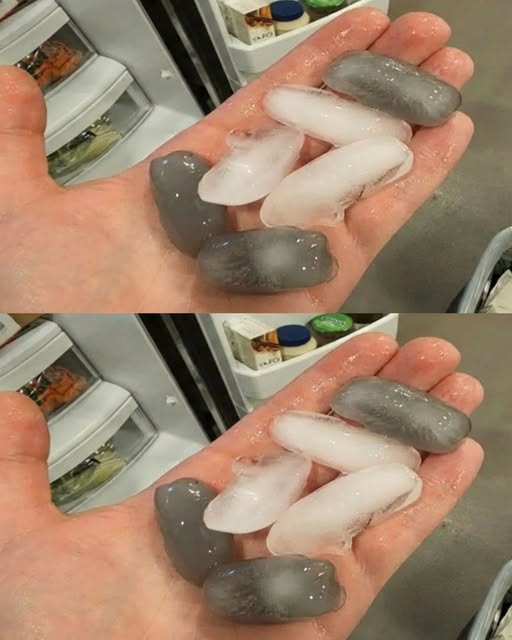
The Mystery of Gray Ice Cubes: Causes and Solutions
Reaching for a glass of ice-cold water only to be met with cloudy, gray ice cubes can be disheartening. Not only is this visual less than appealing, but it can also raise concerns about your health and the cleanliness of your ice maker. However, the good news is that gray ice is generally not harmful and can often be remedied with a bit of effort. In this article, we will explore the common causes behind the formation of gray ice and provide you with a step-by-step guide to restore your ice to its crystal-clear glory.
Understanding the Causes of Gray Ice
The appearance of gray ice cubes typically stems from two primary issues: contaminants in the ice maker and sediments from water filters. Recognizing these causes is the first step towards achieving clear ice. Often, homeowners may not realize how much debris can accumulate in their ice-making systems, leading to unexpected results when they go to retrieve ice for their favorite beverages.
1. Contaminants in the Ice Maker
Over time, various particles such as dust, food remnants, or mineral deposits can accumulate within the ice-making components of your refrigerator. These areas include:
- The ice bin
- The ice mold or dispenser chute
- The air inside the freezer, particularly if door seals are deteriorating
When new ice is formed, it can trap these unwanted particles, resulting in cubes that are cloudy, gray, or even speckled. While this situation is often not a health hazard, it can affect the taste and odor of your ice, leading to less enjoyable drinking experiences. Imagine pouring a glass of whiskey or soda over these unsightly cubes; not only is it unappealing, but it can also feel unappetizing.
2. Charcoal Sediment from Water Filters
Modern refrigerators frequently utilize carbon (charcoal) water filters that are designed to remove impurities from your drinking water. While these filters do an excellent job of providing cleaner water, there are a couple of key points to consider:- New filters can sometimes release a fine black dust during their initial usage.
- Older or damaged filters might shed charcoal particles, allowing them to enter the ice-making process.
Step-by-Step Guide to Fixing Gray Ice
If you find yourself with gray ice, don’t despair. Follow these simple steps to bring back the clarity and freshness of your ice:- Clean the Ice Bin: First, unplug your refrigerator or disable the ice maker. Remove the ice bin and discard any old ice. Use warm, soapy water and a soft sponge to thoroughly wash the bin, ensuring that you rinse it well to avoid any soap residue that could affect taste. Allow it to air-dry completely before placing it back. This step is essential as it removes any accumulated dust and particles.
- Wipe Down the Ice Maker Area: Using a damp microfiber cloth, clean the ice dispenser chute, the walls of the freezer near the ice maker, and the door gaskets where dust can accumulate. This not only helps in removing contaminants but also prevents future build-up.
- Check and Replace the Water Filter: Locate your water filter, usually found within the refrigerator grille or inside the appliance. If the filter is older than six months or you have just installed a new one, it is essential to flush the system. Run 3 to 5 gallons of water through the dispenser until the water runs clear. This step ensures that any fine particles from a new filter do not affect your ice.
- Reset the Ice Maker: Turn your ice maker back on and discard the first one or two batches of new ice, as they might still contain residual particles. Store the fresh ice in a clean, covered container to prevent it from absorbing any odors from the freezer.