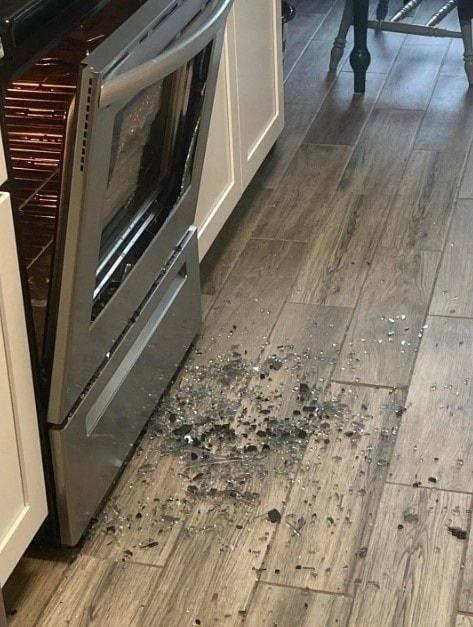
Understanding Why Oven Doors Shatter: Causes and Precautions
Oven doors are intricate components of kitchen appliances that, while designed for durability, can experience unexpected shattering. Many people assume that dramatic events must lead to such breakage; however, the reasons behind these incidents are often subtle and nuanced. They hinge on a combination of the glass’s material properties and hidden imperfections that are not visible to the naked eye. By understanding these factors, homeowners can take proactive measures to prevent accidents, ensuring both safety and longevity of their appliances.
The Types of Glass Used in Oven Doors
The glass utilized in oven doors is far from ordinary. Typical household glass cannot withstand the extreme conditions inside an oven; therefore, manufacturers employ specialized types of glass. The two most common varieties are tempered soda lime glass and borosilicate glass. Tempered soda lime glass is robust and can endure high temperatures, but it has vulnerabilities, particularly when faced with sudden thermal shocks. On the other hand, borosilicate glass is celebrated for its exceptional durability and ability to handle rapid changes in temperature without succumbing to stress.
Despite their engineered strengths, both types of glass are not entirely exempt from the risks of breakage. The processes of expansion and contraction that occur as an oven heats and cools can lead to internal stress over time. Such stress can ultimately culminate in shattering, especially if invisible defects are present within the glass structure. Understanding these materials and their limitations can help users recognize when to be especially cautious with their ovens.
The Role of Internal Imperfections
One significant internal flaw that can lead to spontaneous breakage is known as a nickel sulfide inclusion. This minuscule particle can become trapped in the glass during the manufacturing process. While it is nearly invisible, its presence can create problems as it expands slowly over time when subjected to heat. During intense heating cycles, such as the self-cleaning mode of an oven, the glass is placed under considerable stress. If this microscopic inclusion grows sufficiently large, it can cause the glass to shatter unexpectedly, a phenomenon that, while rare, is a recognized risk associated with oven door breakages.
Moreover, even experienced manufacturers cannot completely eliminate the possibility of these flaws. In fact, research suggests that as many as 1 in 10,000 pieces of tempered glass may have some form of internal defect. This statistic underscores the importance of treating oven doors with care and understanding that even high-quality products can be susceptible to unforeseen problems. Homeowners should be aware of these risks and consider them when evaluating the longevity of their appliances.
Everyday Habits and Their Impact
In addition to internal flaws, the daily habits of users can significantly influence the condition of an oven door. For instance, closing the door with excessive force can introduce structural weaknesses. Activities like leaning on the door while placing heavy cookware or overcrowding the oven can also exacerbate stress on the glass. Furthermore, improper cleaning methods—such as using abrasive pads or metal scrapers—can leave micro-scratches on the surface that may not be visible but can compromise the integrity of the glass over time.It is also worth noting that many users may inadvertently increase their risk of breakage by not following recommended guidelines for oven use. For example, placing hot dishes directly on a cold countertop right after removing them from the oven can lead to thermal shock, not just for the dishes but also for the oven door itself if the heat radiates back towards the glass. By being mindful of these everyday habits, homeowners can help preserve the condition of their ovens.
Additional Risks and Temperature Shock
The positioning of cookware inside the oven can create additional risks. If a baking dish is placed too close to the glass panel, the direct contact may result in uneven heating. Even minor differences in temperature across the glass surface can create weak points, increasing the likelihood of a break. Moreover, exposing the glass to sudden cold temperatures, such as splashing cold water immediately after cooking, can induce a temperature shock that causes the glass to contract rapidly, heightening the chance of cracking or shattering.Consider a scenario where a baker opens the oven door and then immediately places a chilled pie dish on the counter beside the oven. As the heat escapes from the oven and the cold dish is placed nearby, the temperature can fluctuate sharply. This sudden change can create pressure on the oven door, particularly if the glass is already under stress from previous use. Such instances highlight the need for awareness regarding temperature management when using an oven.
Proactive Measures to Prevent Breakage
Fortunately, there are several simple yet effective precautions that homeowners can take to minimize the risk of oven door breakage. Using gentle cleaning tools rather than abrasive materials helps protect the surface integrity of the glass. It is also wise to allow the oven to cool completely before cleaning the door, as this prevents sudden temperature shifts that could lead to damage. Ensuring that cookware does not come into contact with the glass and handling the oven door with care during everyday use can significantly enhance its longevity.Additionally, regular inspections of the oven door for signs of wear or damage can also prove beneficial. Homeowners should be on the lookout for any cracks, chips, or any irregularities in the glass surface. If such signs are present, it is essential to address them immediately, either through professional repair or replacement, to prevent more serious accidents down the line. By adopting these practices, homeowners can reduce the risk of shattering dramatically.
Understanding how glass behaves under stress and recognizing the impact of small imperfections can empower individuals to take the necessary steps for a safe kitchen environment. With thoughtful use and regular maintenance, the chances of an oven door breaking can be kept to a minimum, allowing for many years of reliable use. The combination of informed habits and proactive measures serves as the best defense against the unfortunate occurrence of shattered oven doors, ensuring both safety and functionality in the kitchen.