
In today’s article, we bring you an interesting discovery about a tiny seed that has been valued for thousands of years and continues to play an important role in traditional cooking and nutrition. Sesame seeds may appear small and ordinary, but they contain a remarkable combination of healthy fats, minerals, plant proteins, and dietary fiber.
Throughout history, people have used sesame in everything from homemade bread and pastries to oils, sauces, and traditional remedies. Today, sesame is especially appreciated for its nutritional benefits and its potential role in supporting bone health, digestion, and overall well-being. Although it is sometimes described as a miracle ingredient for women, its actual benefits come from its nutritional composition rather than any ability to cure diseases.
Sesame has a fascinating history that stretches back to ancient civilizations. The Assyrians, Babylonians, and Egyptians were familiar with sesame seeds and used them in food, oils, and traditional preparations. One popular explanation even connects sesame with the famous phrase “Open Sesame” from the story of Ali Baba. The phrase is associated with the way mature sesame pods split open and release their seeds. Today, sesame remains an essential ingredient in Middle Eastern, Asian, and African cuisines. Its pleasant, slightly nutty flavor makes it suitable for both sweet and savory dishes.

Why Are Sesame Seeds So Beneficial?
Sesame seeds contain unsaturated fatty acids, magnesium, calcium, iron, zinc, and several important plant compounds.
They also provide phytosterols, naturally occurring substances that resemble cholesterol in their chemical structure. When consumed in appropriate amounts as part of a balanced diet, phytosterols can help reduce the absorption of cholesterol in the digestive system.
However, sesame oil has not been proven to prevent blood clots, and sesame should never replace medications prescribed for clotting disorders.
Sesame also contains antioxidants, including sesamin and sesamolin, which scientists are studying for their possible effects on cellular health.
Although these compounds are interesting, claims that sesame prevents cancer, treats depression, or eliminates migraines are not supported by sufficient clinical evidence.
Sesame Seeds and Digestive Health
One of the most practical benefits of sesame comes from its dietary fiber content.
Fiber contributes to normal bowel function and may help prevent constipation when combined with adequate fluid intake.
For some individuals, ground sesame may be easier to incorporate into meals than whole seeds.
However, sesame does not eliminate intestinal parasites or cure hemorrhoids. Persistent digestive symptoms require appropriate medical evaluation.
A simple sesame spread can be a delicious way to introduce this nutritious ingredient into everyday meals.
Traditional Homemade Sesame Spread Recipe
This easy recipe is inspired by traditional sesame preparations and can be served with toasted bread.
Ingredients:
- 1 tablespoon ground sesame seeds
- 2 tablespoons water
- 1 tablespoon softened butter
Preparation:
Step 1: Place the ground sesame seeds into a small mixing bowl.
Step 2: Add two tablespoons of water and stir until the seeds begin forming a thick paste.
Step 3: Add the softened butter and continue mixing until the ingredients become smooth and evenly combined.
Step 4: If the mixture is too thick, add a few additional drops of water.
Step 5: Spread the prepared mixture over freshly toasted bread and serve immediately.
This spread provides fats and a small amount of fiber, but it should be enjoyed as food rather than used as a treatment for hemorrhoids or other digestive conditions.
Sesame and Women’s Bone Health
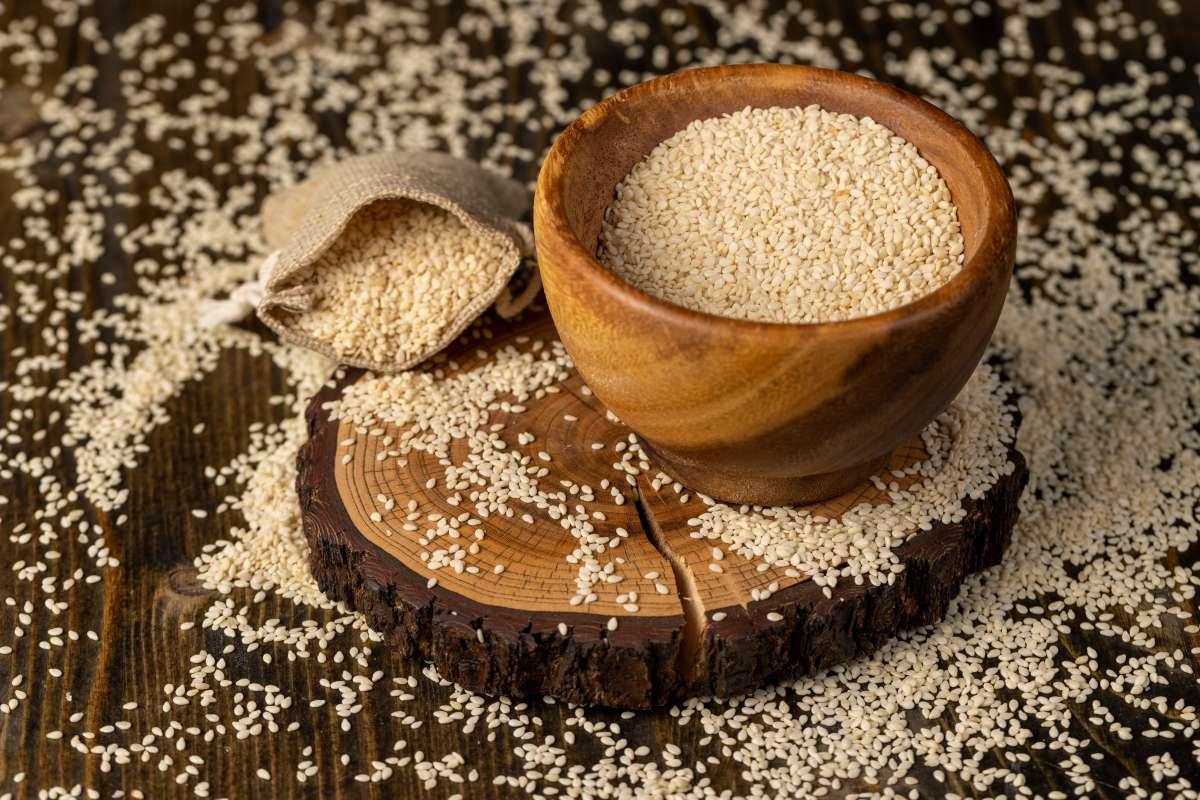
Sesame seeds contain minerals that contribute to the maintenance of healthy bones.
Calcium is especially important for women, particularly during pregnancy and later adulthood, when maintaining bone density becomes increasingly important.
Magnesium and phosphorus also participate in normal bone function.
However, the amount of calcium varies considerably between hulled and unhulled sesame seeds. Sesame should not be considered a complete replacement for dairy products or other reliable calcium sources.
Including sesame in a varied diet can contribute to daily mineral intake, but it cannot independently prevent or treat osteoporosis.
Sesame During Pregnancy
Pregnancy increases the importance of balanced nutrition, including adequate calcium, iron, protein, and fiber.
Sesame seeds can contribute some of these nutrients when eaten as part of a varied diet.
Their fiber content may also support regular digestion, which can be helpful because constipation is common during pregnancy.
However, sesame is a recognized food allergen and should be avoided by anyone with a sesame allergy.
Pregnant women should not rely on sesame seeds alone to meet their nutritional requirements.
Homemade Tahini Recipe
Tahini is one of the most popular sesame-based foods in the world. This creamy paste is commonly used in hummus, salad dressings, desserts, and savory sauces.
Ingredients:
- 200 g sesame seeds
- 2–3 tablespoons mild olive oil or another neutral vegetable oil, if needed
- A pinch of salt, optional
Preparation:
Step 1: Place the sesame seeds in a dry frying pan over low to medium heat.
Step 2: Toast them gently for approximately 3–5 minutes, stirring frequently until fragrant. Avoid burning the seeds.
Step 3: Allow the toasted sesame seeds to cool slightly.
Step 4: Transfer them to a food processor or high-powered blender.
Step 5: Blend until the seeds begin turning into a thick paste.
Step 6: Add the oil gradually, if necessary, and continue blending until the mixture becomes smooth and creamy.
Step 7: Add a pinch of salt if desired.
Step 8: Transfer the tahini into a clean, airtight jar and refrigerate.
Homemade tahini can be spread on bread, mixed into sauces, or added to vegetable dishes.
Can Sesame Improve Skin and Hair?
Sesame provides nutrients such as zinc, protein, and healthy fats that contribute to normal skin and hair function.
However, eating sesame does not guarantee that hair loss will stop or that wrinkles and age spots will disappear.
Hair loss may be associated with hormonal changes, genetics, nutritional deficiencies, stress, or medical conditions.
Likewise, sesame oil may help moisturize dry skin, but it is not an established treatment for acne, fungal infections, or scarring.
Final Thoughts
Sesame seeds demonstrate how a simple traditional ingredient can provide valuable nutrients while adding wonderful flavor to everyday meals.
They are versatile, affordable, and easy to incorporate into bread, salads, vegetables, sauces, and homemade spreads.
The real value of sesame lies in its combination of healthy fats, fiber, and essential minerals, not in exaggerated claims that it can prevent blood clots or cure serious diseases.
Whether enjoyed as toasted seeds or creamy homemade tahini, sesame can be a delicious addition to a balanced and nutritious diet.