
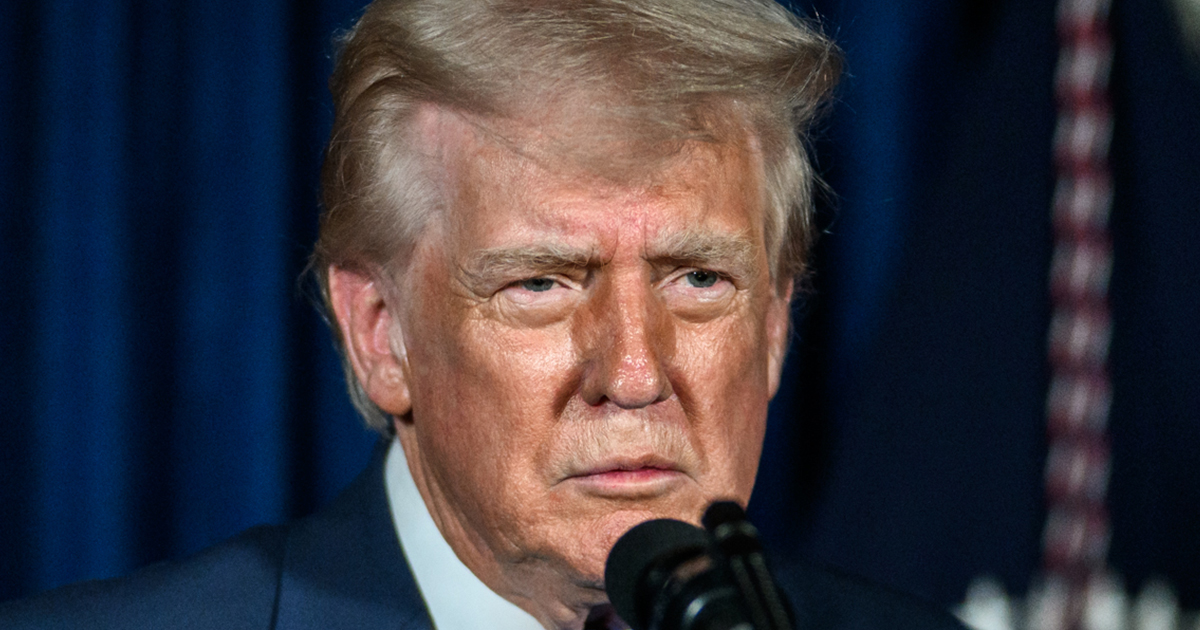
Trump’s Political Maneuvering: A Glimpse into 2028 Ambitions
Over the weekend, former President Donald Trump made headlines once again, leveraging his platform on Truth Social to engage his supporters and stir the political conversation. This time, he shared a striking image of himself, proudly displaying a sign that boldly stated: “TRUMP 2028, YES!” This proclamation is particularly audacious given that Trump has already served two terms, and the 22nd Amendment of the U.S. Constitution bars any individual from serving more than two terms as president. Yet, in true Trump fashion, he seems undeterred by constitutional constraints or political norms.
Along with the image, Trump introduced a catchy new label for his political base: “TRUMPLICANS.” This clever rebranding not only captures the loyalty of his supporters but also reflects Trump’s ongoing quest to solidify his legacy within the Republican Party. The term resonates with a segment of voters who feel marginalized by the mainstream political discourse and are eager for a leader who speaks their language. The use of such monikers has been a hallmark of Trump’s political style, where branding becomes as crucial as policy.
This recent event was not a standalone occurrence; it follows a series of curious political moves and public statements from Trump. Just a few days prior, he entertained the idea of renaming his followers, suggesting terms like “TEPUBLICAN” or “TPUBLICAN.” His playful approach to political branding signals that Trump is not simply a former president but rather a continual force within the Republican Party, maintaining a strong influence over its narrative and direction. Despite the playful rhetoric, Trump has at times acknowledged the legal limitations on his ability to run for president again. During a flight on Air Force One back in October, he remarked to reporters, “Based on what I read, I guess I’m not allowed to run… So we’ll see what happens.”
In August, when asked directly about his potential candidacy in 2028, Trump maintained an air of nonchalance. He stated, “No, probably not, probably not. I’d like to… I have the best poll numbers I’ve ever had.” This juxtaposition of denial and confidence encapsulates Trump’s political strategy: creating an aura of unpredictability while keeping his base engaged and excited. His former advisor, Steve Bannon, has been vocal about the idea of Trump extending his political career beyond the traditional limits. Bannon has claimed that there is already a “plan” in place to facilitate Trump’s return, suggesting that the former president might not be as far removed from the political stage as he claims.

Moreover, Bannon has urged supporters to brace for Trump’s continued presence in the political arena, suggesting that “people ought to just get accommodated with that.” This sentiment echoes through the statements of other Republican figures as well, including Rep. Andy Ogles, who has proposed the radical idea of amending the Constitution to allow a third presidential term. Such proposals, while controversial, highlight the lengths to which some are willing to go to accommodate Trump’s ambitions. The willingness of some Republican lawmakers to entertain constitutional amendments reflects a broader trend within the party: a consolidation around Trump’s persona, where traditional rules and norms are seen as malleable based on the needs of the party’s base.
Despite the swirling rumors about future candidacies and constitutional changes, Trump has asserted that his immediate focus is on delivering “four great years” and then ensuring a smooth transition to a successor. When pressed on who he believes would be a suitable successor, Trump quickly mentioned Vice President JD Vance, stating, “In all fairness, he’s the vice president… And he would be probably favored at this point.” This endorsement not only hints at Trump’s continued involvement but also sets the stage for Vance’s potential rise within the party. The selection of Vance as a successor highlights Trump’s strategy of positioning allies in key roles, ensuring that his influence remains intact even if he steps back from an active role.
As Trump continues to navigate this complex political landscape, his actions suggest he is very much enjoying the attention and speculation surrounding his future. Whether it’s through quirky nicknames like “TRUMPLICANS” or the whimsical idea of political baby names, Trump’s communication style remains very much in line with his brand — entertaining and provocative. In a political environment that constantly shifts, Trump’s ability to generate buzz guarantees that he will remain a relevant figure, regardless of his official status. As he plays the long game, one can only speculate what the future holds for Trump and his fervent supporters. Will they resist the call for a third term amendment or rally behind a familiar face come 2028? The answers may shape not only the Republican Party’s future but also the broader electoral landscape of the United States.
Moreover, Trump’s influence on the Republican Party is not just about his potential candidacy but also about how he has reshaped the party’s identity. Many of his supporters identify more as “Trump supporters” rather than traditional Republicans, signifying a shift in the party’s base. This transformation raises questions about the sustainability of the Republican Party as it grapples with its identity in a post-Trump era. Can the party maintain its cohesion without Trump’s charismatic leadership, or will it splinter into different factions? The answer to this question will be pivotal as the party approaches the 2024 elections and beyond.
In conclusion, Trump’s political maneuvering signifies much more than just a personal ambition; it is indicative of shifting dynamics within American politics. The former president’s strategic branding, combined with his ability to engage his base, ensures that he remains a significant player on the political stage. As discussions about his future continue to unfold, one thing is clear: Trump is not finished with politics, and his influence will likely linger well into the next election cycle and beyond.
















