
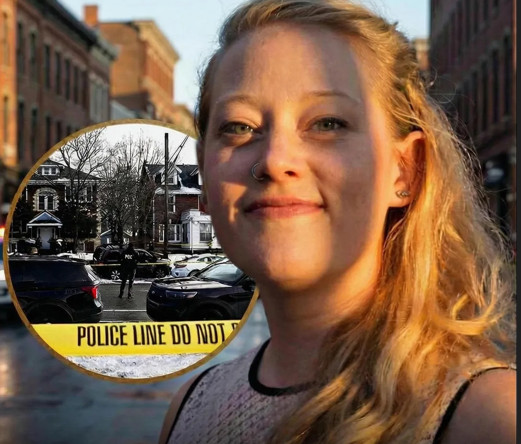
The Tragic Shooting of Renee Nicole Good: A Community in Mourning
The heartbreaking event surrounding the fatal shooting of 37-year-old Renee Nicole Good during a federal immigration enforcement operation in Minneapolis has not only left her family shattered but has also ignited a nationwide discourse on law enforcement, public safety, and the use of force. This distressing incident took place on January 7, 2026, when agents from Immigration and Customs Enforcement (ICE) were executing operations in a residential area. Renee, who was sitting in her SUV, became the victim of a shooting by an ICE officer—an act that officials claim was prompted by the officer’s fear for his safety. However, this tragic occurrence has since sparked a range of reactions and raised critical questions about the conduct of law enforcement.
According to statements from the Department of Homeland Security, the ICE agent fired his weapon after perceiving that Renee’s vehicle was advancing toward him. This claim, however, has been met with skepticism. Eyewitness accounts and videos circulating on social media depict a different narrative, prompting protests demanding accountability and transparency from local leaders and elected officials in Minneapolis. Community members, outraged and grieving, have taken to the streets to express their anguish, underscoring a growing discontent regarding law enforcement practices. The contrast between official statements and community perceptions has fueled a wider conversation about the role of police in our neighborhoods, raising questions about training, accountability, and the urgency of reform in law enforcement practices.
The ongoing investigations into Renee’s death have been met with calls for patience from officials who urge the public to await the results of the review process before drawing conclusions. Yet, reactions to the tragedy within the community and particularly in Renee’s family have been mixed. Some relatives have suggested that she should not have been at the scene, claiming she was not directly linked to the operation. However, others vehemently oppose this perspective, arguing that Renee was simply a bystander, a dedicated mother of three, an aspiring writer, and a compassionate individual known for her involvement in community initiatives. This divergence of opinions within the family reflects the complex emotional landscape that follows an unexpected loss, revealing how grief can manifest in various forms and how it can sometimes create rifts even among those who share a common bond of love and loss.
Renee’s former father-in-law portrayed her as a warm and outgoing person, emphasizing that the family is now concentrating on providing support to her young son, who has tragically lost both parents in a remarkably short timeframe. The impact of this tragedy weighs heavily on the family, leaving a child to navigate life without the presence of a mother. In a world where children often rely on their parents for guidance, love, and emotional security, this loss underscores an additional layer of grief—one that extends beyond Renee’s immediate family and reverberates throughout the community. This incident serves as a poignant reminder of the personal stories behind headlines that often focus solely on the event itself rather than its profound human impact.
Amid the turmoil surrounding Renee’s death, many in the community have chosen to honor her memory by celebrating the life she lived rather than fixating on the circumstances of her passing. Vigils and memorials have sprung up across multiple cities, paying tribute to her creativity, kindness, and nurturing spirit as a parent. Friends and family members emphasize that she was not participating in any organized protest at the time of her death; she was simply a resident present in her own neighborhood, engaged in her daily life. These heartfelt gatherings reflect a community’s desire to remember Renee not just as a victim but as a vibrant individual who touched many lives. Through shared stories, laughter, and tears, those who knew her have come together to foster a sense of unity and resilience in the face of this tragedy.
As the investigation unfolds, Renee’s death remains a critical reminder of the broader societal implications regarding law enforcement actions and their consequences. A family is in mourning, a child has been left without a parent, and a community is grappling with complex emotions as they seek to find understanding and accountability in the aftermath of this tragedy. Advocates for police reform have taken this moment to emphasize the necessity of addressing systemic issues within law enforcement, including the need for comprehensive training that prioritizes de-escalation techniques and community engagement. The calls for reform have grown louder, echoing the sentiments of those who believe that systemic change is paramount to prevent such heartbreak from occurring in the future.
The need for reform in law enforcement practices and better community relations has become ever more apparent as residents and advocates call for dialogue and change. Engaging in conversations about the root causes of violence, the impact of immigration enforcement, and the broader implications of policing policies are essential to fostering a safer and more just society. As Renee’s tragic death becomes a rallying point for these discussions, community members are empowered to push for change, advocating for a future where incidents like this are no longer the unfortunate norm. In honoring Renee’s memory, the community is not only mourning her loss but is also taking a stand for accountability and justice, striving to ensure that her story resonates beyond the confines of this tragedy.
















