
The Complex Journey of Eric Roberts: From Stardom to Redemption
With a compelling on-screen presence that captivated audiences, Eric Roberts emerged as one of the most intriguing young talents in Hollywood during the 1980s. He possessed smoldering eyes and a dangerous charm that drew viewers in, hinting at a future brimming with promise and potential. However, beneath the glamour of red carpets and flashing lights lay a tumultuous personal life filled with struggles of addiction, abandonment, and a complicated relationship with his daughter, Emma Roberts. This article delves into the life of Eric Roberts, tracing his journey from a promising Hollywood star to a man seeking redemption and understanding in the later chapters of his life.
Early Life and Rise to Fame
Born on April 18, 1956, in Biloxi, Mississippi, Eric Anthony Roberts was raised in a family that celebrated the arts and storytelling. His passion for performance was nurtured from a young age, leading him to pursue a career in theater. After honing his skills on Broadway — where he garnered praise for his role in Burn This — he made a seamless transition to film. By the early 1980s, Roberts had established himself as a formidable actor, earning Golden Globe nominations for his performances in films such as King of the Gypsies (1978) and Star 80 (1983). His role in Runaway Train (1985) even earned him an Academy Award nomination for Best Supporting Actor.
Roberts’ charisma and intense performances drew the attention of Hollywood, making him a sought-after leading man. His early career painted a picture of success and stardom; however, the pressures associated with fame began to take their toll. Behind the scenes, Roberts grappled with personal demons, notably substance abuse, which would influence not only his career but also his relationships and family life.
Fatherhood and the Weight of Regret
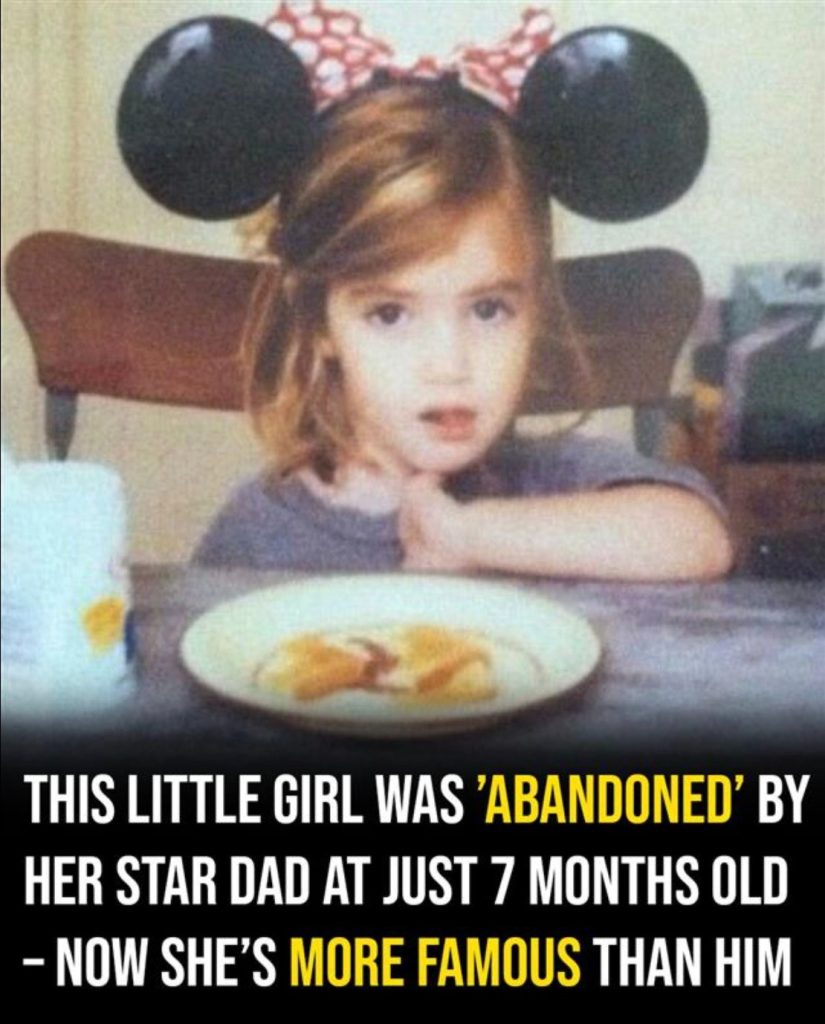
In 1991, Roberts became a father for the first time when he welcomed a daughter, Emma Roberts, with his then-partner Kelly Cunningham. Emma would go on to make a name for herself in Hollywood, starring in popular series like American Horror Story and Scream Queens. However, the joy of fatherhood was marred by Roberts’ struggles with addiction, which overshadowed his ability to be the father Emma needed. In his memoir, Runaway Train: Or the Story of My Life So Far, Roberts candidly reflects on his feelings of inadequacy and his inability to cope with the responsibilities of parenthood at that time.
He admits that while he fell in love with Emma the moment she was born, he was still trapped in the throes of cocaine addiction. The consequences of his drug use were severe; he lost custody of Emma when she was only seven months old. Reflecting on that painful decision, he expressed profound remorse, stating, “The biggest consequence of my drug use was losing Emma.” This admission underscores the depth of his struggle and the burden of regret that would follow him throughout his life.
Custody Battles and Family Dynamics
Despite public speculation about a fierce custody battle involving his sister, Julia Roberts, and their family, Eric clarified that there was no dramatic feud. In his memoir, he reveals that he felt unworthy of seeking custody and that Julia and their sister Lisa provided assistance during the legal process—not as adversaries but as family members wanting him to find stability. “Thankfully, Julia helped—for Emma’s sake… I deeply appreciated it,” he wrote, alluding to the complexities of their family dynamic.
While the custody situation strained Eric’s relationship with Julia for years, the siblings have made efforts to reconcile in more recent times. Emma, growing up largely without her father, has faced her own challenges but has emerged as a successful actress in her own right. When asked about her relationship with Eric, she has expressed a sense of distance, indicating that their early separation created an emotional chasm that remains difficult to bridge.
Rebuilding a Life: Career and Recovery
Even amid personal turmoil, Eric Roberts continued to work. He amassed an impressive body of work, appearing in hundreds of films and television shows, from blockbusters to indie projects. His versatility as an actor has allowed him to maintain a long-standing presence in Hollywood, despite the ups and downs of his personal life. However, Roberts’ struggles with addiction were not without consequences; they affected his family relationships and his standing in the industry.
A pivotal moment came in the early 1990s when his then-wife Eliza helped steer him toward sobriety. With the support of his loved ones and court-mandated treatment, Roberts began to rebuild his life, focusing on recovery and self-reflection. In interviews, he has openly discussed his journey as a recovering addict, taking responsibility for the pain he caused and expressing gratitude for the people who stood by him during his darkest hours.
A Legacy of Resilience and Reflection
Now in his late 60s, Eric Roberts looks back on his life with a blend of reflection and remorse. He recognizes the impact his addiction had on his relationship with Emma, acknowledging that he loved her deeply but was unable to fulfill his role as a father. Despite the distance that still exists between them, he expresses pride in her accomplishments and confidence in her ability to navigate the complexities of Hollywood. “I imagine I will remain as Julia’s brother and Emma Roberts’ dad for the rest of my life,” he has stated, expressing a desire to carry those roles with dignity.
Eric Roberts’ life story serves as a powerful reminder of the delicate balance between personal struggle and professional success. His journey is not merely one of loss but also of resilience and recovery. As he continues to act and share his story, he embodies the complexities of the human experience—where talent and personal failings coexist. Through his memoir and interviews, Roberts aims to connect with others, imparting lessons learned from his tumultuous journey and the enduring hope for redemption.
















