
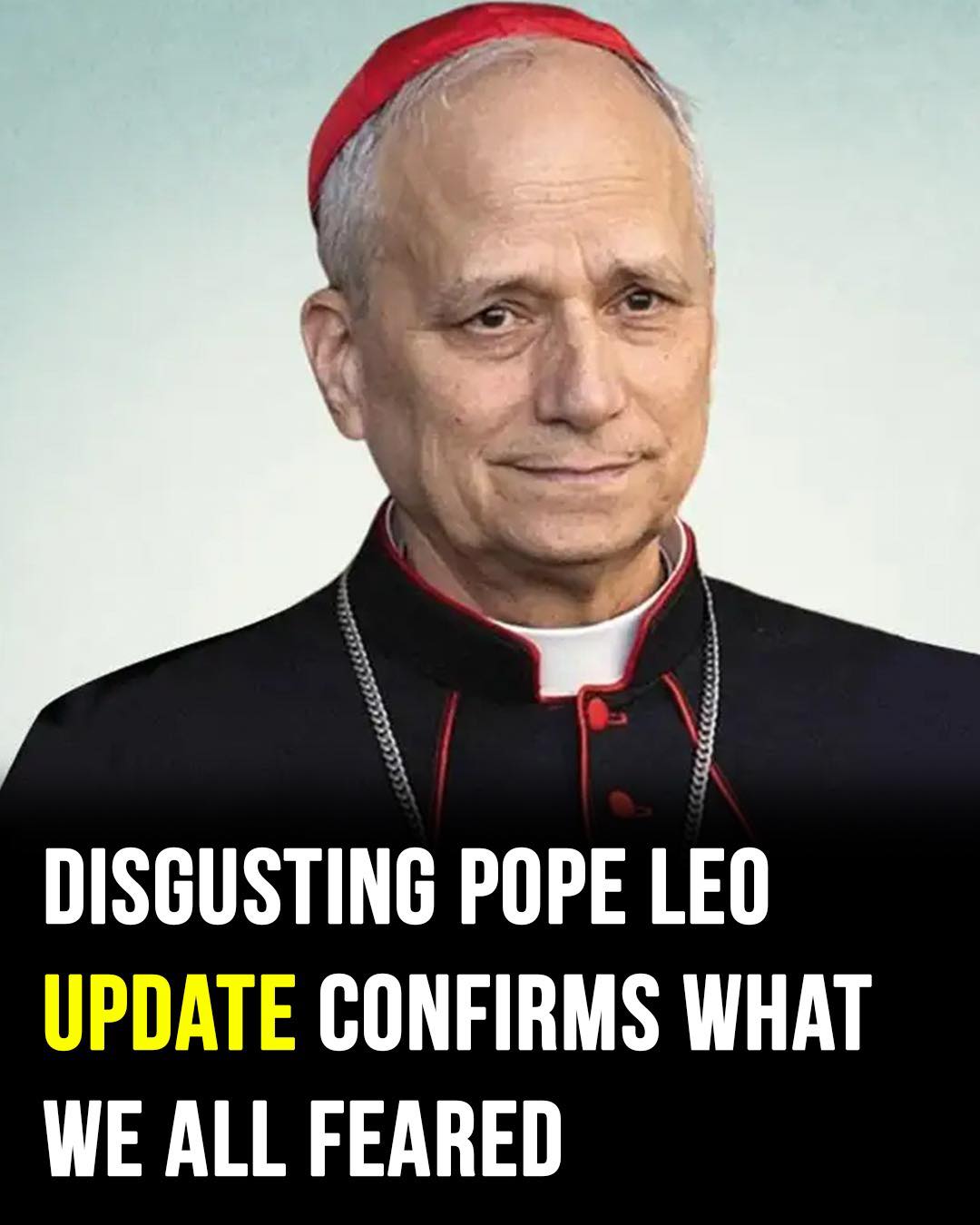
The Historic Election of Pope Leo XIV
On a momentous evening that will be etched in the annals of history, the emergence of white smoke above the Sistine Chapel signified a monumental event: the election of a new leader for the Catholic Church. Cardinal Robert Francis Prevost made his appearance on the balcony of St. Peter’s Basilica, taking on the revered title of Pope Leo XIV. This significant moment not only marks the beginning of his papacy but also cements his place in history as the first American to assume this esteemed position. The announcement resonated worldwide, capturing the hearts and minds of millions, as he addressed the masses with a hopeful message centered on peace, humility, and a call for unity among people across the globe.
Significance of the Name ‘Leo’
The choice of the name “Leo” is steeped in rich tradition and historical significance within the Church. The last pope to use this name, Pope Leo XIII, was a celebrated figure known for his profound theological insights and his engagement with pressing social issues of his time, including the rights of workers and the role of the Church in contemporary society. His encyclical, Rerum Novarum, is particularly noted for addressing the conditions of the working class and advocating for social justice, setting a precedent for future papal teachings. Earlier, Pope Leo I, often referred to as Leo the Great, is remembered for his exceptional diplomatic efforts and his role in fortifying the Church during periods of turmoil, underscoring the vital importance of strong leadership during challenging times.
By choosing the name Leo, Pope Leo XIV not only honors these distinguished predecessors but also signals his intention to engage vigorously with the issues that define modern society. The historical legacy of the Leos before him suggests that Pope Leo XIV may prioritize a papacy that is deeply committed to social justice and active engagement with the contemporary world. This intent is particularly relevant as global socio-political landscapes are fraught with unrest, inequality, and moral dilemmas that require decisive and compassionate leadership.
Reflections of Courage and Reform
Observers and analysts of the Catholic Church have remarked that Cardinal Prevost’s election may symbolize an era characterized by themes of courage, reform, and meaningful dialogue. His diverse experiences, particularly in Latin America, have provided him with a unique perspective on the multifaceted challenges facing the Church today. His upbringing in the United States combined with his pastoral work in various communities reflects a leader who is attuned to the needs of both domestic and international congregations. This duality promises a balanced approach to doctrine, fostering an environment that is not only grounded in tradition but also responsive to contemporary issues.
Moreover, Pope Leo XIV’s background suggests he may be well-equipped to confront the pressing issues of the global Church. The Church is at a crossroads, dealing with a decline in adherence in the Western world while simultaneously thriving in regions like Africa and Asia. His familiarity with these dynamics could uniquely position him to initiate meaningful reforms that resonate with the faithful. Observers may look for signs of a new evangelization approach that prioritizes inclusivity and dialogue, akin to the outreach exhibited during the Second Vatican Council.
Community Focus and Global Perspective
Pope Leo XIV’s extensive pastoral experience is expected to play a crucial role in shaping his papacy. He is widely regarded as being community-focused, emphasizing the importance of engaging with local communities and understanding their unique struggles. His time spent in Latin America has been particularly influential, equipping him with insights into the social and spiritual needs of diverse populations. As the global landscape continues to evolve, many within the Church are hopeful that his leadership will foster a greater sense of inclusion and outreach, reflecting the Church’s mission to be a beacon of hope and compassion in a world rife with division.
For instance, Pope Leo XIV’s commitment to local communities may translate into stronger support for grassroots initiatives that address poverty, education, and healthcare. By championing local voices, he may inspire a renewed sense of purpose and engagement among clergy and laity alike. Additionally, his experiences in urban and rural settings will likely inform his views on global issues such as migration, where he can advocate for humane treatment and understanding of displaced individuals—a significant contemporary challenge the Church must confront.
Mixed Reactions to His Election
The election of Pope Leo XIV has generated a spectrum of reactions from both within and outside the Church. While many leaders and faithful Catholics have published congratulatory messages, celebrating this historic moment, others have voiced concerns regarding his previous public statements on various social and humanitarian issues. Such mixed reactions illustrate the ongoing complexities within contemporary Catholicism, where differing perspectives often emerge. As the pontificate unfolds, it will be crucial to observe how Pope Leo XIV navigates these challenges and whether he can bridge gaps within the Church and foster greater understanding among diverse groups.
Critics may argue that his past comments on contentious issues could hinder his ability to unite the Church, particularly among factions with divergent views on matters such as gender equality, LGBTQ+ rights, and interfaith dialogue. Conversely, proponents express optimism for a fresh perspective that could invigorate the institution and encourage a more dynamic engagement with the world. The balancing act between tradition and modernity will be one of the defining challenges of his papacy, necessitating deft diplomacy and a willingness to listen to a broad array of voices.
The Path Forward: Expectations for the Papacy
As Pope Leo XIV begins his journey as the leader of the Catholic Church, many followers and global observers are keenly watching to see how his leadership will influence the Church’s direction in the coming years. Will he prioritize dialogue with other faiths and secular communities, or will he focus on internal reform? His ability to address pressing issues such as climate change, social justice, and the ongoing challenges of secularism will likely define his papacy. The coming months and years will reveal whether he can harness the spirit of his namesakes, forging a path that not only honors the rich traditions of the Church but also embraces the urgent needs of a world in flux.Moreover, many are hopeful that Pope Leo XIV will emphasize transparency and accountability within the Church, particularly in light of the scandals that have plagued the institution in recent years. His approach to governance—whether it leans toward decentralizing power or reinforcing traditional hierarchies—will be instrumental in shaping a culture of trust and integrity. If he champions reforms that prioritize the voices of the marginalized, his papacy could represent a significant shift towards a more inclusive Church.
Ultimately, the legacy of Pope Leo XIV will be shaped by his capacity to listen, adapt, and respond to the needs of the faithful and the world at large. The faithful anticipate a leader who embodies the essence of compassion and a commitment to justice, one who is willing to embrace the complexities of the 21st century while remaining steadfast in faith. As the global community watches closely, the hope is that Pope Leo XIV will lead with a vision that resonates deeply with the universal call to love and serve, fulfilling the Church’s mission in a profoundly transformative era.
















