
The Sperm Racing World Cup: A Unique Approach to a Global Crisis
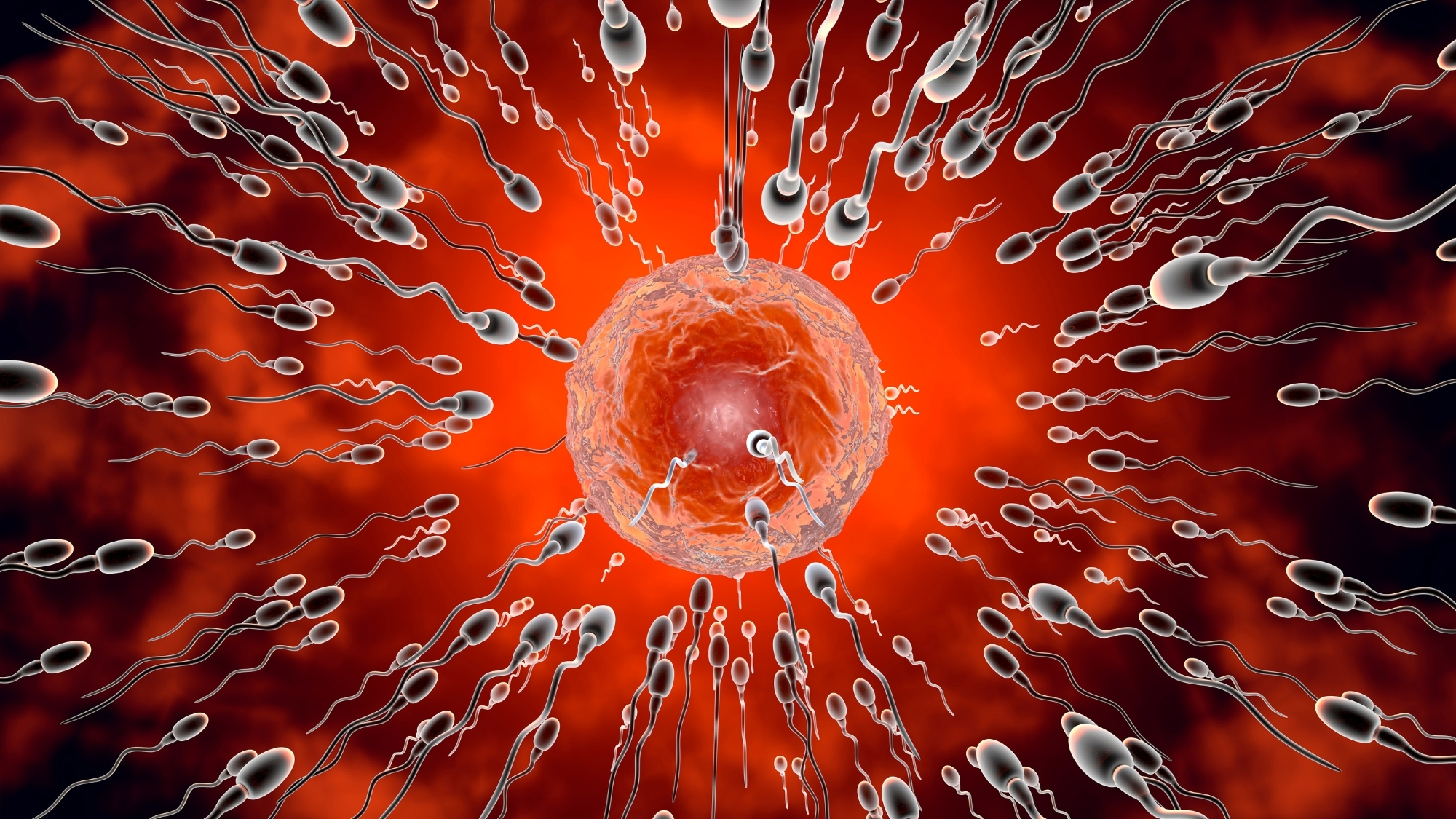
In recent decades, the issue of declining male fertility has become a pressing concern. This decline has largely gone unnoticed by the general public and has not received the level of attention it desperately requires. The situation has prompted various stakeholders, including scientists, health professionals, and advocates, to raise alarms about the implications of this troubling trend. In a groundbreaking twist, four tech entrepreneurs have decided to transform this serious topic into a competitive event known as the 2026 Sperm Racing World Cup, set to take place in San Francisco next month. This unconventional sporting event, boasting a grand prize of $100,000, aims to draw attention not only to male fertility but also to the importance of discussing and addressing this worldwide issue.
A Unique Concept: Racing Semen Samples
The innovative minds behind this event—Eric Zhu, Garret Niconienko, Nick Small, and Shane Fan—have devised a competition that revolves around one central idea: racing semen samples on a microscopic track. This concept is bold and audacious, combining elements of science with a competitive spirit that is typically reserved for traditional sports. The event will feature 128 male competitors, each representing a different country, who will submit their semen samples to participate in this unusual race. The winning sample, determined by the fastest swimmer, not only earns the competitor substantial cash but also highlights the pressing need for awareness about male fertility.

Competitive Spirit and Global Participation
The organizers have reported an overwhelming response, with over 10,000 applicants from across the globe. Participants hail from a wide array of nations, including the United States, Iran, Israel, and even North Korea—demonstrating the universal relevance of this health issue. Gaining entry into the final roster of 128 competitors is extremely competitive, particularly for individuals from larger, more populous nations. In an effort to promote wider representation in this unique event, the creators have encouraged applicants to consider representing smaller countries if they meet specific criteria, such as being born there, holding citizenship or residency, or possessing at least 25% ancestry from that nation. This inclusive approach aims to ensure diverse representation, making the event a celebration of global health awareness.
The Racing Process: From Submission to Competition
Once selected, each competitor is provided with a kit to collect their sample, which they then send back to California for processing. The process of preparing these samples is intricate and demands precision; it includes incubation, washing, pipetting, and centrifuging to isolate the most viable sperm cells. This meticulous preparation ensures that only the strongest swimmers will take to the track. The actual racing occurs on a specially designed microfluidic track, measuring just 400 microns in length—approximately the size of a grain of salt. According to Zhu, a controlled microcurrent flows through the track, presenting resistance that challenges the sperm cells and helps determine which will reach the finish line first. This innovative racing methodology has drawn comparisons to the way athletes prepare for competitive sports, highlighting the seriousness of the underlying health message.

Excitement and Entertainment: The Event Experience
The event is structured similarly to traditional World Cups, featuring qualifiers, eliminations, head-to-head rounds, and ultimately a final showdown. High-resolution cameras will meticulously track the races, capturing every detail of this unusual competition, while large screens will display live leaderboards and relevant health data. Additionally, the entire event is set to stream online, allowing viewers from around the world to tune in and witness this bizarre yet captivating spectacle. In a previous trial run in Los Angeles in April 2025, a USC student named Tristan Mykel won $10,000 with a record time of one minute and three seconds, showcasing the event’s potential to generate excitement and attract a diverse audience.
Addressing a Serious Issue Through Humor and Competition
While the Sperm Racing World Cup may appear to be a humorous and eccentric way to draw attention to male fertility, the stakes are undeniably serious. Research indicates that between 1973 and 2018, global sperm concentration has dramatically decreased by over 50%, plummeting from 101 million sperm per milliliter to a mere 49 million. This alarming trend is a red flag for public health, as it may have profound implications for fertility rates and male reproductive health. The event’s creators hope to change the conversation surrounding this issue by using humor and competition as a vehicle for education and awareness. They aim to normalize discussions about male fertility, making it easier for individuals to engage in conversations about reproductive health.
The Future of Male Fertility Awareness
As Eric Zhu aptly states, the goal of this event is to make male fertility a topic that people are not only willing to discuss but also actively seek to improve. The unconventional nature of the Sperm Racing World Cup raises eyebrows and sparks curiosity, but it is likely to initiate conversations that could lead to meaningful discussions about reproductive health and fertility. By blending the worlds of sports and science, the organizers aim to engage a wider audience beyond just health professionals. They hope that the event will serve as a catalyst for broader discussions about male reproductive health, fertility treatments, and lifestyle choices that can affect sperm health.
Conclusion: A Race to Awareness
Ultimately, the Sperm Racing World Cup represents a novel approach to tackling a critical global health issue. By wrapping the serious discussion of male fertility in the guise of a competitive event, the hope is to provoke thought, encourage dialogue, and inspire action. As the event approaches, it will be interesting to see how this unique fusion of sports and health advocacy unfolds, and whether it can genuinely change perceptions and behaviors surrounding male fertility for the better. The Sperm Racing World Cup may prove to be more than just a spectacle; it could become a pivotal moment in the fight for improved male reproductive health awareness and education.
















