
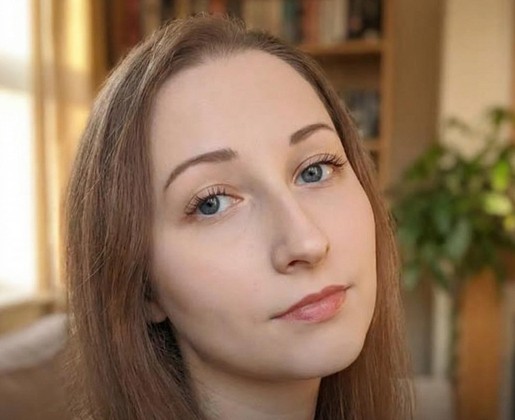
The Complex Case of Zoraya ter Beek: Euthanasia and Mental Health
The situation surrounding Zoraya ter Beek, a 28-year-old woman from the Netherlands, has ignited a profound and wide-ranging debate about the legality and ethics of euthanasia, particularly as it pertains to mental health issues. Ter Beek has taken the brave step of publicly discussing her choice to pursue euthanasia, a decision that has drawn international attention, especially given that her circumstances do not involve a terminal physical ailment but rather enduring psychological suffering. This case has raised essential questions regarding patient autonomy, medical ethics, and societal responsibilities toward individuals grappling with severe mental health challenges.
A Legal Framework for Euthanasia in the Netherlands
Since 2002, the Netherlands has been at the forefront of euthanasia legislation, having legalized the practice under a framework that emphasizes stringent criteria. The law mandates that euthanasia can only be performed if a patient is experiencing unbearable suffering with no reasonable hope of improvement. This includes severe mental health conditions, provided that comprehensive safeguards are adhered to. In cases involving psychiatric disorders, the law stipulates that an extensive evaluation must be conducted by independent medical professionals to ensure that the decision is well-founded and meets all legal requirements.
This legal structure aims to balance compassion for those who are suffering with the necessity of preventing potential abuses. Independent reviews by multiple experts are designed to ensure that all avenues for treatment have been exhausted before considering such a permanent and irreversible solution. Additionally, this legal framework includes provisions for minors and other vulnerable populations, further complicating the already intricate landscape of euthanasia rights. The ongoing evolution of these laws reflects changing societal attitudes toward death, suffering, and the role of medical professionals in end-of-life care.
Zoraya ter Beek’s Struggle with Mental Health
Ter Beek’s case is particularly poignant as she has openly shared her long battle with treatment-resistant depression, autism, and borderline personality disorder. Despite years of therapy, various medications, and psychiatric interventions, she has expressed that these treatments have failed to provide her with lasting relief from her mental anguish. In her public statements, she has described her life as a cycle of temporary hope followed by crushing disappointment, a narrative that resonates deeply with those who understand the complexities of mental health struggles. Her decision is not merely about ending her life; it reflects a critical search for peace after enduring relentless distress. Ter Beek’s testimony is a stark reminder that mental health issues can indeed manifest as unbearable suffering, comparable to physical ailments. Her courage in speaking out shines a light on the often-stigmatized topic of mental illness, emphasizing that individuals in similar situations must not only be heard but also understood and treated with compassion. This aspect of her case underscores the importance of having open dialogues surrounding mental health, allowing those suffering to share their experiences without fear of judgment.The Ethical Debate: Advocates vs. Critics
The case has attracted a spectrum of opinions, bringing to the forefront the ongoing debate surrounding assisted dying laws. Supporters argue that the suffering associated with mental health conditions can be as intense and debilitating as physical illnesses. They maintain that individuals who meet the stringent legal criteria should have the right to make deeply personal medical decisions concerning their lives. Advocates highlight that the review process for psychiatric euthanasia cases in the Netherlands is rigorous, typically involving multiple healthcare professionals and oversight committees, which aims to ensure that every possible alternative has been considered before such a profound decision is made. Yet, this perspective does not go unchallenged. Critics advocate for more robust mental health care systems that prioritize treatment over euthanasia. They argue that many individuals may feel hopeless due to their mental health conditions but could potentially benefit from new treatments or therapies that are currently unavailable. This brings forth the notion that euthanasia should not be viewed as a solution, but rather as a last resort—a stance that many believe could redirect focus toward improving mental health care. This ongoing discourse illustrates the complexity of balancing personal autonomy with societal responsibility and the need for comprehensive mental health education.Concerns of Mental Health Professionals
On the flip side, critics of extending euthanasia to include psychiatric conditions voice significant concerns. Many mental health professionals emphasize that feelings of hopelessness and despair are often symptomatic of severe mental health issues, leading to questions about whether individuals can truly make independent decisions when influenced by these conditions. There is apprehension that expanding the scope of euthanasia may inadvertently divert attention and resources from developing long-term mental health care solutions, which are crucial for supporting those in distress. Additionally, some mental health experts are concerned about the potential normalization of euthanasia for psychological suffering, fearing it could lead to a slippery slope where vulnerable individuals may feel pressured into choosing death over the arduous path of treatment and recovery. This highlights an important ethical dilemma: the need to safeguard the rights and dignity of individuals while ensuring that their decisions are made free from coercion or external pressures. The challenge lies in finding a balance that respects individual choices while also safeguarding the integrity of mental health care.Global Reflection on Suffering and Dignity
Zoraya ter Beek’s narrative has spurred a global reflection on themes of suffering, dignity, and the ethical limitations within modern medicine. Regardless of varying opinions on euthanasia, many individuals are compelled to consider the larger implications of her story. It raises pertinent questions: How can societies provide adequate support for those living with long-term mental illness? What responsibilities do medical professionals have in guiding patients through their darkest times? And ultimately, how do we reconcile the concepts of compassion, autonomy, and ethical medical practice? In many nations, the conversation surrounding euthanasia remains fraught with legal, ethical, and moral challenges, reflecting broader cultural attitudes toward death and suffering. As societies evolve, it becomes increasingly crucial to address these issues with sensitivity and care, ensuring that patients are not only heard but also supported in their journeys. Ter Beek’s case invites a critical examination of how we define quality of life and the lengths we might go to alleviate suffering.In conclusion, the case of Zoraya ter Beek serves as a significant touchpoint in the discourse on euthanasia, particularly regarding mental health. As society grapples with these complex issues, the need for open dialogue and comprehensive mental health policies becomes increasingly evident. Her story reminds us of the importance of empathy, understanding, and the necessity for continued advancements in both medical ethics and mental health care. Ultimately, her journey challenges us all to reflect on our values surrounding life, suffering, and the right to choose one’s path in the face of profound psychological pain.
















