
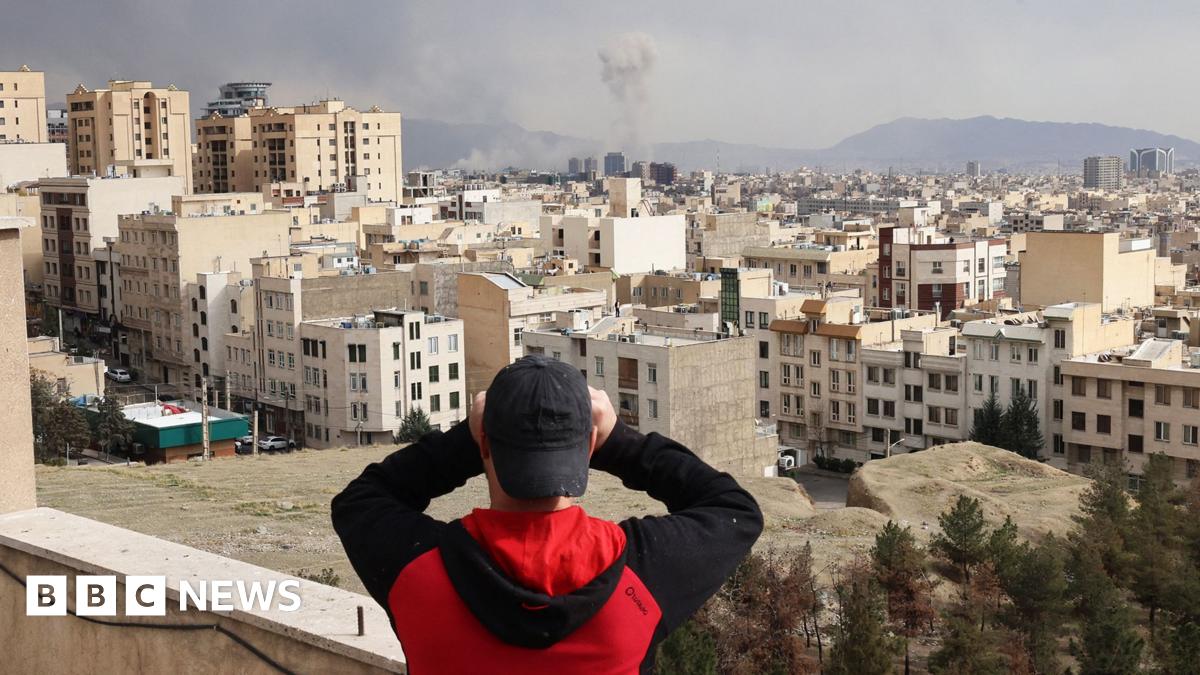
Escalating Conflict in the Middle East: The Aftermath of Khamenei’s Death
The recent assassination of Iran’s Supreme Leader, Ayatollah Ali Khamenei, has sent shockwaves throughout the Middle East, igniting a surge of violence and military confrontations that are reshaping the geopolitical landscape. As the dust settles on this pivotal event, the implications are profound, with airstrikes led by the United States and Israel aimed at crippling Iran’s military capabilities. This incident not only marks a dramatic escalation of tensions that have simmered for decades but also raises urgent questions about the future of the region. In this comprehensive analysis, we will explore the unfolding situation, its far-reaching regional implications, and the potential for an extended conflict that could engulf neighboring countries.
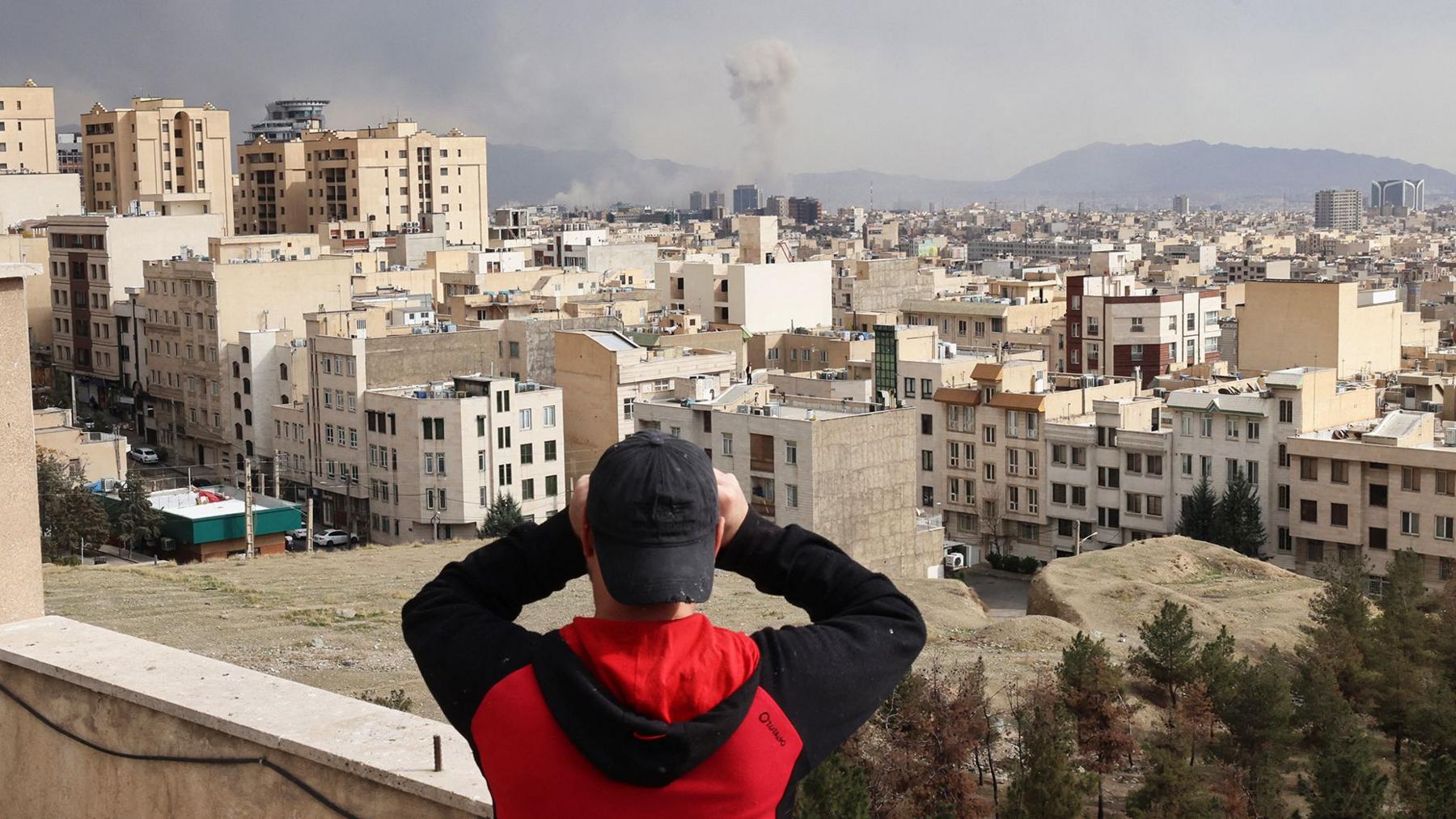
The Catalyst: Khamenei’s Death
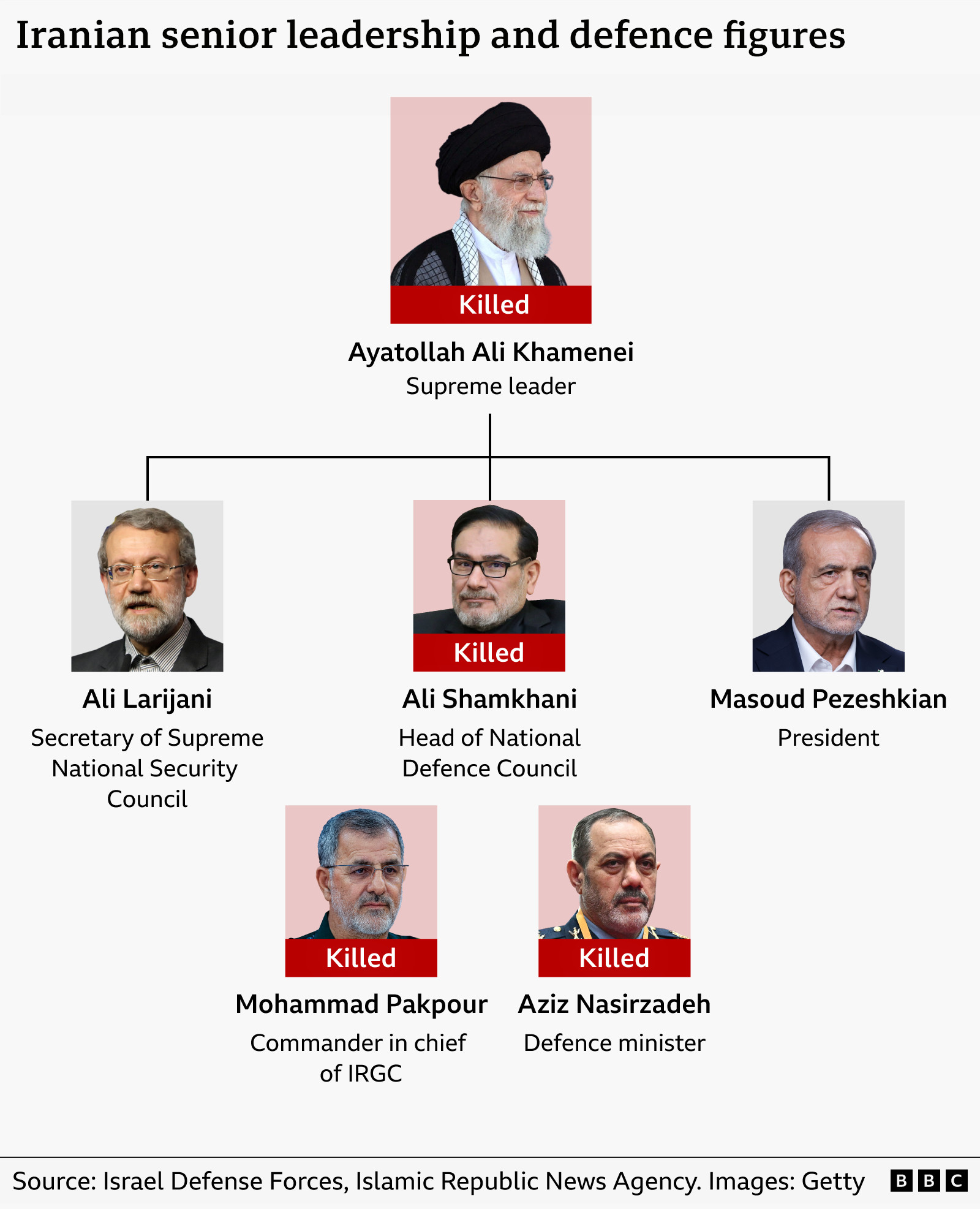
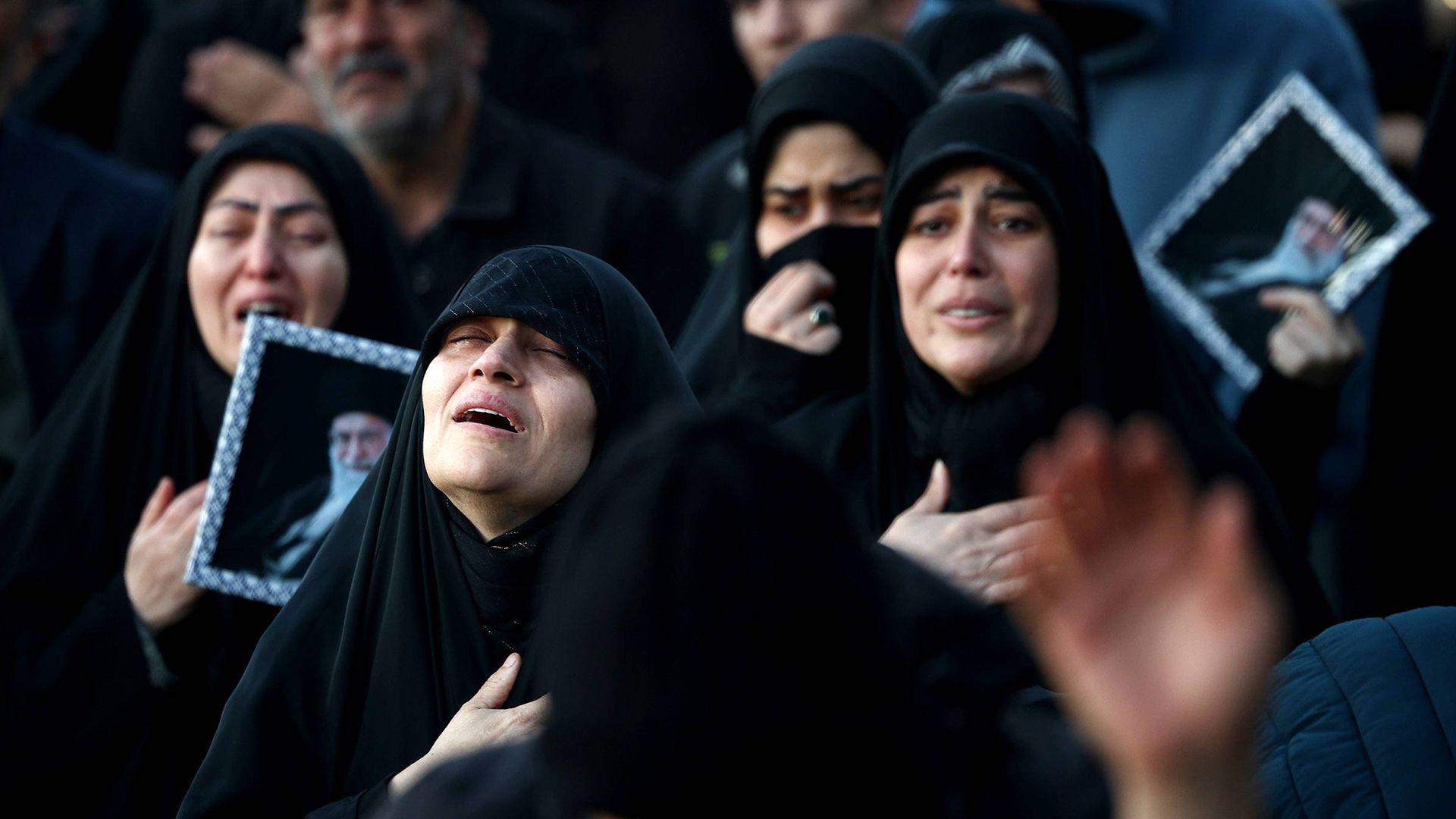
The political landscape of Iran was irrevocably transformed on a fateful Saturday when targeted strikes in Tehran led to the death of Khamenei, who had held the position of Supreme Leader since 1989. His death was not merely symbolic; it represented the loss of a pivotal figure in Iran’s political and religious hierarchy. The Israeli Defense Forces (IDF) reported that the strikes also resulted in the deaths of several key Iranian military and political figures, including high-ranking officials from the Islamic Revolutionary Guard Corps (IRGC). In a bid to project stability amidst chaos, the IRGC swiftly appointed a new commander-in-chief, Ahmad Vahidi, signaling that the regime would not cower in the face of aggression. However, this transition comes at a time when the country is grappling with a multitude of internal and external pressures, leading to speculation about potential power struggles within the Iranian leadership.
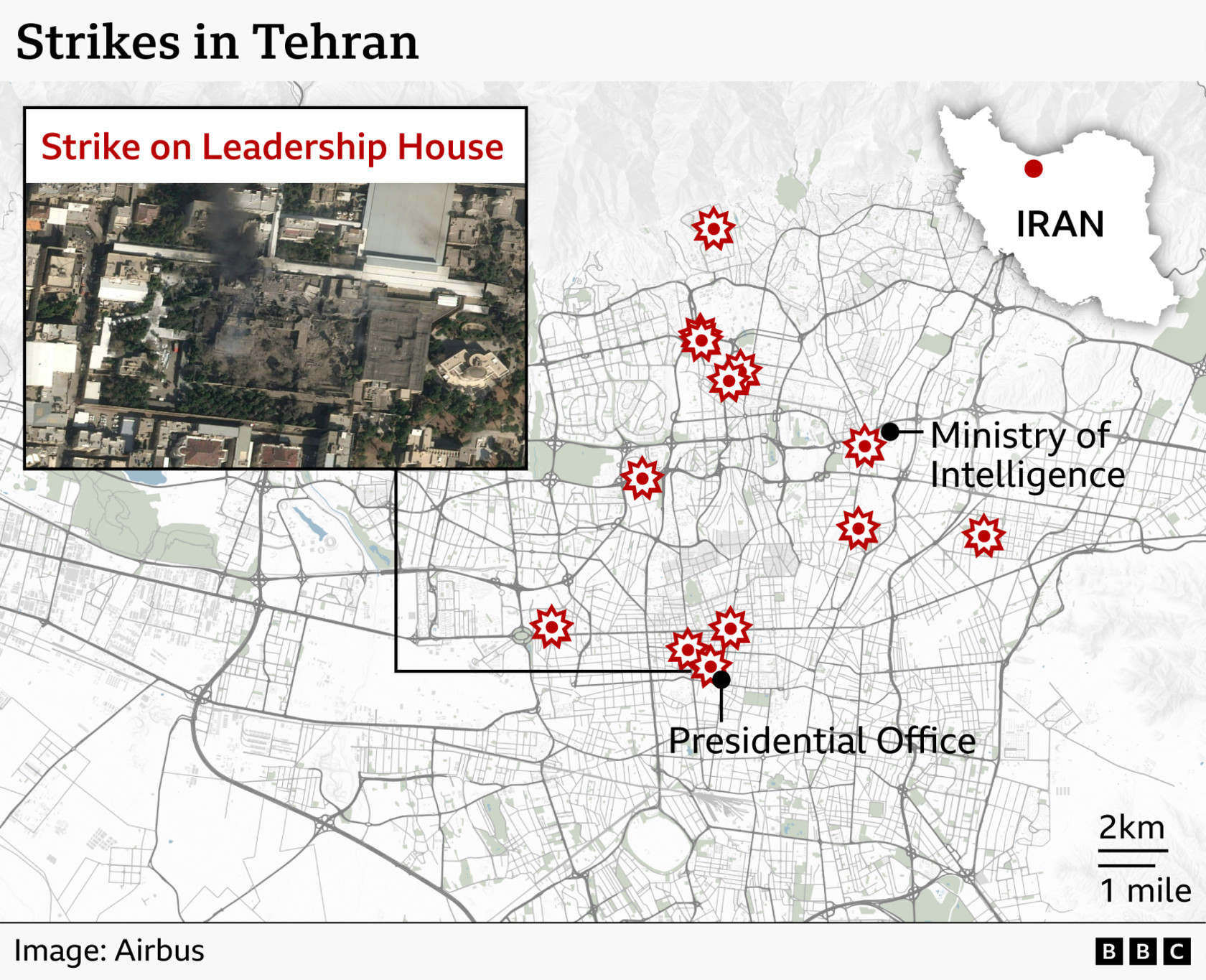
Iran’s Retaliation and Regional Destabilization
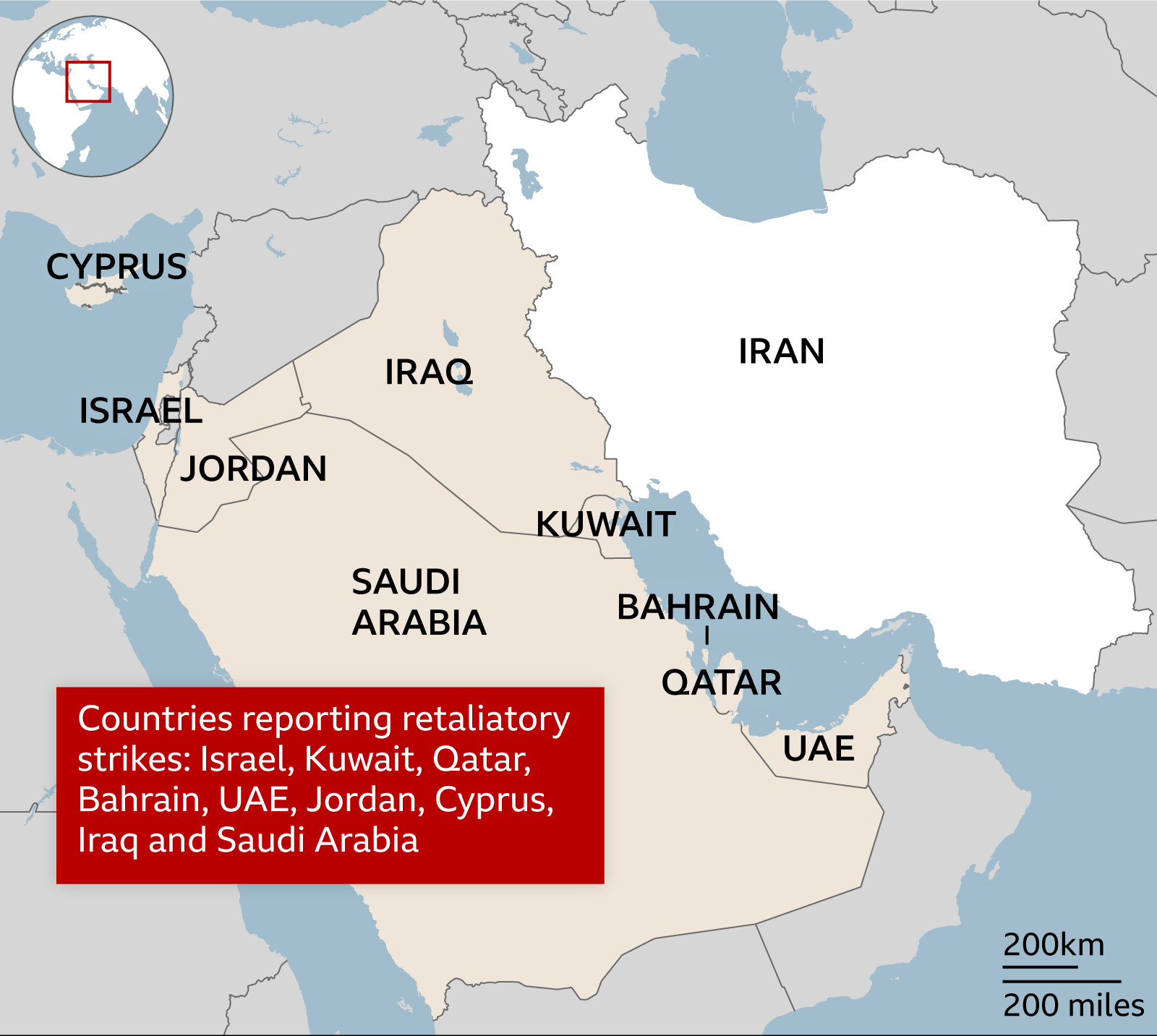
In the wake of Khamenei’s assassination, Iran’s response was immediate and severe. The regime launched a series of retaliatory missile and drone attacks targeting nations allied with the United States, including Bahrain, Kuwait, and Saudi Arabia. The IRGC’s decision to strike Israeli military installations was particularly provocative, underscoring Iran’s determination to assert its power in the region. Casualty figures from these exchanges have been staggering, with reports indicating over 550 deaths across 130 locations within Iran. The violence has not spared civilian areas; a tragic incident involving a school resulted in the loss of many innocent lives, including children, highlighting the brutal impact of the ongoing conflict on the civilian population.
The Role of Hezbollah and the Broader Conflict
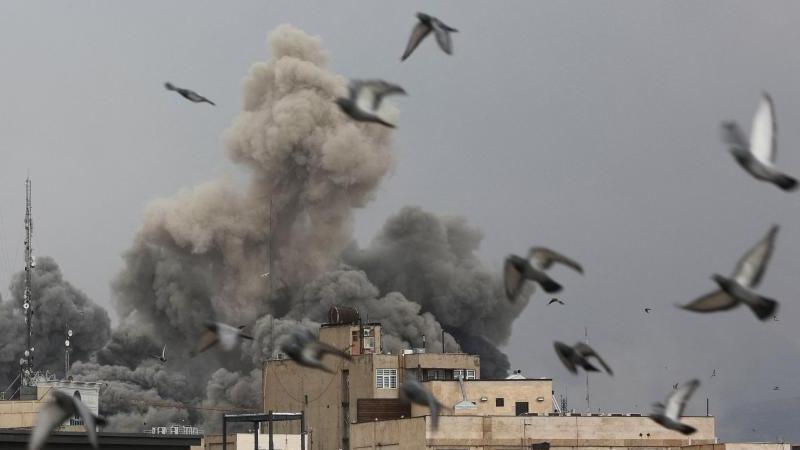
The conflict has rapidly extended beyond the borders of Iran, drawing in Hezbollah, the Lebanese militia supported by Iran, which has commenced attacks against Israel from its bases in Lebanon. This development has prompted further Israeli airstrikes targeting Hezbollah positions, raising the specter of a broader regional war. The situation in Lebanon has grown increasingly volatile; Israeli officials have issued warnings advising residents in border areas to evacuate in anticipation of intensified military operations that could continue for several days. The potential for increased hostilities raises alarms not just within Israel and Lebanon, but also among neighboring countries that fear the spillover effects of a larger regional conflict.
Impact on Global Economy and Oil Prices
The unrest in the Middle East has begun to have significant repercussions on global markets, particularly within the energy sector. Following the military actions, oil prices surged by 10%, igniting widespread concerns about rising fuel costs worldwide. Key energy infrastructure in the Gulf, such as Saudi Arabia’s Ras Tanura refinery, has faced disruptions due to Iranian drone strikes, which have resulted in partial shutdowns. The implications of these disruptions extend beyond the immediate region; Qatar’s state energy firm has announced a halt in liquefied natural gas production, exacerbating supply concerns on a global scale. As nations grapple with the fallout from rising energy prices, the economic stability of many countries may be put at risk, highlighting the interconnectedness of global markets.
The Future of Iran and Ongoing Military Operations
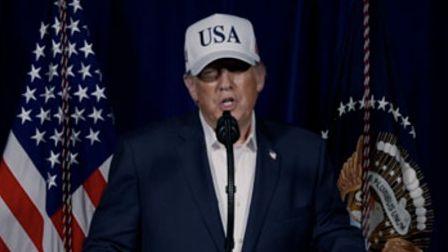
As Iran navigates through turmoil both internally and externally, a transitional leadership council has been established. This body, comprising officials such as President Masoud Pezeshkian and judiciary chief Gholamhossein Mohseni Ejei, is tasked with guiding the nation until a new Supreme Leader is appointed. However, the ongoing violence complicates this process, raising questions about the stability of the nation’s governance. Concurrently, the United States has signaled that military operations, labeled Operation Epic Fury, will persist until Iran’s nuclear ambitions are effectively dismantled. President Trump has emphasized that these strikes would be relentless until the regime’s military infrastructure is completely obliterated, indicating a long-term commitment to military engagement in the region.
Travel Disruptions and the International Response
The escalating conflict has resulted in widespread travel disruptions, with numerous airlines suspending flights to and from the Middle East. Major airlines, including Emirates, British Airways, and Wizz Air, have grounded flights due to safety concerns, reflecting the gravity of the situation. Governments across the globe have issued travel advisories, urging citizens to reconsider travel plans to the region as airspace remains closed and military operations continue. With the potential for further escalation, international diplomatic efforts are underway to de-escalate tensions, but the path to peace remains fraught with challenges.
Conclusion: A Region on Edge
The situation in the Middle East remains precarious as the ramifications of Khamenei’s assassination unfold. The potential for extended military engagements, coupled with the undeniable impact on global oil markets, has placed the international community on high alert. As nations navigate this turbulent landscape, the urgency for diplomatic solutions becomes increasingly critical. The outcomes of these conflicts could redefine alliances, reshape regional politics, and influence global dynamics for years to come. With the region standing on the precipice of broader conflict, the world watches closely, hoping for resolution but bracing for continued volatility.
















