The Significance of State Visits: A Closer Look at Donald Trump’s Ceremonial Welcome at Windsor Castle
On a day marked by rich historical resonance, Donald Trump’s ceremonial arrival at Windsor Castle captured global attention and underscored the enduring relationship between the United States and the United Kingdom. This moment was significant not just for its immediate impact but also for its implications within the broader scope of international relations. As one of the most important royal residences, Windsor Castle symbolizes not only the continuity of the British monarchy but also the deep-rooted diplomatic connections shared by the two nations. The occasion was noteworthy, as it came in the context of Trump’s previous state visit during his presidency in 2019, which had already set a precedent for high-level U.S.-U.K. engagements.
A Historical Context of U.S.-U.K. Relations
To fully appreciate the significance of Trump’s visit, it is essential to understand the historical backdrop of U.S.-U.K. relations. The partnership between these two countries has evolved over centuries, characterized by a long history of collaboration across various domains, including military alliances, economic partnerships, and cultural exchanges. From the Revolutionary War to World War II and beyond, the historical narrative of U.S.-U.K. interactions is filled with pivotal moments that shaped both nations’ identities.
Sadržaj se nastavlja nakon oglasa
Numerous U.S. presidents have received formal invitations for state visits, a tradition that reflects diplomatic protocols rather than personal affiliations. Such visits are generally extended by the reigning British monarch upon the advice of the U.K. government. This structured approach serves as a reminder of the formalities associated with international diplomacy, highlighting the importance of these engagements in fostering mutual understanding and cooperation.
The Ceremonial Elements of a State Visit
Upon arriving in the United Kingdom, Trump and his wife, Melania Trump, were greeted with the kind of formal diplomatic courtesies typical of high-profile state visits. Their journey to Windsor Castle was not merely a logistical undertaking; it was accompanied by an array of ceremonial elements that imbue such occasions with gravity. These included an honor guard, formal greetings, and traditional pageantry that characterize state-level interactions. Windsor Castle itself, a residence with a history spanning nearly 1,000 years, stands as a powerful symbol of the British constitutional monarchy and national heritage.
During Trump’s previous state visit in 2019, he experienced a ceremonial welcome that included a lavish state banquet and various engagements with senior members of the royal family, including Queen Elizabeth II. These ceremonial elements are designed to showcase the importance of the visiting dignitary and the relationship between the two nations, reinforcing the idea that state visits are not simply social gatherings but significant diplomatic events.
The Evolution of the British Monarchy
As of today, the British monarchy has entered a new chapter under the reign of King Charles III, who assumed the throne following the passing of Queen Elizabeth II in 2022.
This transition represents not just a change in leadership but also a shift in how the monarchy interacts with the public and engages in diplomacy.
The composition of the royal family has evolved, with senior working members including Prince William, Catherine, Princess of Wales, and Queen Camilla, all of whom play crucial roles in modernizing the monarchy’s image while maintaining its historical significance.
The transitions within the monarchy come at a time when the world is still reflecting on the legacy of Queen Elizabeth, whose reign lasted for an impressive seven decades. Throughout his presidency, Trump publicly expressed admiration for her, highlighting the ongoing relevance of royal engagements in modern diplomacy.
Such engagements remind us that the monarchy is not just a relic of the past, but a living institution that continues to play an essential role in contemporary international relations.
Fashion and Cultural Diplomacy
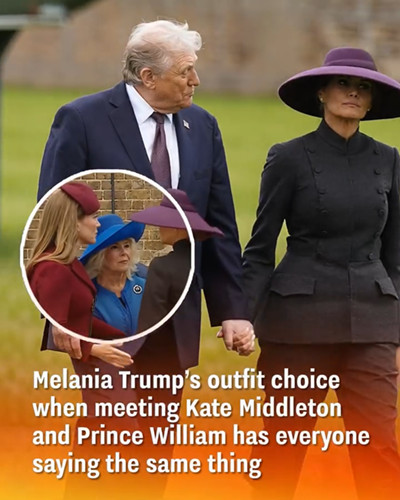
In addition to the formal aspects of state visits, the fashion choices of Melania Trump have garnered considerable media attention, illustrating the intersection of fashion and cultural diplomacy. Renowned for her sophisticated and tailored wardrobe, Melania often selects outfits that pay homage to her host country’s culture.
For instance, during her 2019 visit to the U.K., she donned several ensembles inspired by British fashion, which were widely discussed in various fashion circles. Such choices are not merely personal statements; they are interpreted as gestures of respect aimed at strengthening cultural ties between nations.
The interplay of fashion and diplomacy illustrates how non-verbal communication can enhance formal engagements. Attire choices can reflect an understanding of the host nation’s customs and values, further solidifying connections.
In the context of state visits, these thoughtful fashion selections serve as a visual representation of goodwill and mutual appreciation, essential elements in nurturing international relations.
State Banquets and Diplomatic Discussions
State banquets serve as one of the highlights of U.S.-U.K. visits, bringing together a diverse array of guests, including members of the royal family, government officials, and cultural figures.
These events are typically hosted in grand halls adorned with historic art and royal regalia, providing a backdrop that adds to the gravitas of the occasion.
The speeches delivered during such banquets often emphasize principles like cooperation, mutual respect, and shared democratic values, reinforcing the importance of the U.S.-U.K. alliance.
Beyond the ceremonial aspects, substantive discussions between leaders also take place during these gatherings. Critical issues such as trade relations, defense cooperation, and counterterrorism efforts are often at the forefront of these conversations.
This blend of diplomacy and social interaction embodies the multifaceted nature of state visits, where formalities coexist with meaningful dialogue about pressing global challenges.
The Current Political Landscape and Future Implications
As the political landscape continues to evolve, the significance of the U.S.-U.K. relationship remains steadfast. The current Prime Minister of the United Kingdom, Keir Starmer, who took office in 2024, signifies a new era of leadership and policy direction. Meetings between U.S. and U.K.
leaders now focus on various pressing issues, including global conflicts, economic partnerships, and climate initiatives. These discussions underscore the ongoing commitment to addressing challenges collaboratively and reflect the enduring nature of the special relationship.
Moreover, tributes to Queen Elizabeth II at recent diplomatic gatherings reflect the deep admiration and respect for her legacy, ensuring that her influence endures within contemporary dialogues about governance and international relations. This continuity is essential in maintaining the strong historical ties that have long characterized U.S.-U.K.
relations, allowing both nations to navigate future challenges with a shared understanding of their past.
Conclusion: The Importance of Diplomatic Engagements
In summary, the ceremonial arrivals and state visits to historic venues like Windsor Castle encapsulate much more than mere pageantry. They are vital components of a broader diplomatic framework that seeks to strengthen ties, promote cooperation, and address global challenges.
The enduring partnership between the United States and the United Kingdom is grounded in shared values, historical connections, and collective security commitments.
As we reflect on these moments, it becomes clear that respectful dialogue and international collaboration remain essential to navigating the complexities of today’s geopolitical landscape.
Events like Trump’s ceremonial arrival at Windsor Castle serve as public affirmations of that enduring alliance, reminding the world of the importance of maintaining strong diplomatic relationships.
Through these engagements, both nations reaffirm their commitment to solidarity, emphasizing that diplomacy is not just about agreements and treaties but also about fostering mutual respect and understanding in an increasingly interconnected world.