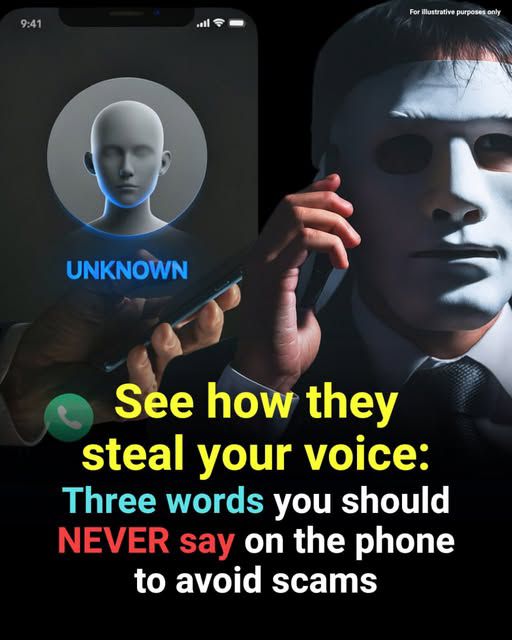
In today’s digital age, artificial intelligence (AI) has evolved far beyond mere text generation or image creation. One of the most concerning advancements is its ability to replicate human voices with remarkable precision.
This technology poses serious risks, as it can be exploited by fraudsters with little more than a few seconds of recorded audio. A simple response such as “yes,” “hello,” or even an enthusiastic “aha” can unwittingly become a tool for deception and fraud.
The significance of one’s voice has shifted dramatically, evolving from just a means of communication to a highly valuable biometric identifier, akin to a fingerprint or a facial recognition scan.
This transformation calls for a closer examination of how voice cloning technology operates, its implications, and the preventive measures individuals must adopt to protect themselves from its misuse.
Your Voice as a Digital Signature
With advancements in voice synthesis and cloning technologies, our voices now serve as digital signatures. These technologies scrutinize and analyze various vocal characteristics, including tone, intonation, rhythm, and unique speech patterns.
By compiling this data, AI can create a digital model of an individual’s voice, enabling it to reproduce speech that sounds strikingly like the original speaker. This raises significant concerns regarding personal security and privacy.
In the wrong hands, once a malicious actor obtains such a model, they can engage in a variety of deceitful activities, including:
Calling family members under the guise of being you.
Sending voice messages that request financial assistance.
Authorizing transactions without your knowledge.
Accessing secure services that rely on voice recognition technology.
Sadržaj se nastavlja nakon oglasa
For instance, consider a scenario where a scammer successfully clones a parent’s voice. They could call a child, claiming to be in an emergency situation that requires immediate financial help.
The emotional weight of the parent’s voice would likely compel the child to act quickly, often without questioning the authenticity of the call. This is a stark example of how vulnerable we can become in an era where our voices can be easily manipulated and misused.
The Dangers of Simple Responses
One particularly insidious scam is known as the “yes trap.” The modus operandi is straightforward but effective. Scammers initiate a call and pose a benign question. When the unsuspecting victim replies with “yes,” they capture that audio snippet.
This recording can then be manipulated to fabricate an apparent acceptance of a contract, a purchase, or some other form of authorization. The scammer subsequently presents this audio as evidence that the individual consented, even if no actual agreement took place.
It is crucial to refrain from responding affirmatively to unknown callers, as even a benign “hello” can inadvertently provide criminals with the audio they need.
In addition to the dangers of the “yes trap,” other vocal prompts can be equally hazardous. A common tactic involves scammers asking questions that require simple one-word responses, like “Can you hear me?” or “Are you there?” Any response can be manipulated and used against the victim later.
Therefore, awareness and caution are vital when engaging in phone conversations, especially with unfamiliar numbers.
Understanding Robocalls and their Tactics
Many robocalls are designed to confirm the presence of a living person on the other end of the line. When you utter “hello,” this simple greeting signals to the automated system that your number is active, opening up opportunities for them to record your voice.
Even that brief response can provide sufficient data to initiate basic voice cloning processes. To safeguard yourself, consider employing these safer strategies when answering calls from unknown numbers:
Wait for the caller to introduce themselves first.
Request identification from the caller.
Ask them who they are trying to reach.
Additionally, utilizing call-blocking features available on most smartphones can help reduce the volume of unwanted robocalls. Many telecom providers also offer solutions to identify and filter out scam calls, further enhancing your protection. It is essential to remain proactive and leverage technology as a shield against such threats.
How AI Makes Voice Cloning More Convincing
Modern voice cloning technologies utilize sophisticated algorithms that can analyze speech patterns, replicate emotions, and adjust factors such as accent and speed. In mere minutes, these programs can generate audio files that sound incredibly lifelike, even mimicking the emotional states of urgency, calmness, or anxiety.
This heightened level of realism is why many victims of voice scams are easily convinced they are speaking with a family member, bank representative, or a legitimate business.
For example, a program may analyze hours of a person’s speech to capture not just their tone but also their unique cadences and emotional inflections, resulting in audio that is not only recognizable but deeply persuasive.
The ability to convincingly impersonate someone else can lead to severe financial consequences for the victim and emotional distress for those close to them.
Instances of financial scams have skyrocketed, with victims often reporting that they felt an overwhelming sense of trust when they heard what they believed to be the voice of a loved one.
This psychological manipulation underscores the importance of educating oneself about the risks associated with voice cloning and remaining vigilant in our digital communications.
Protecting Your Voice from Exploitation
To minimize the risk of falling victim to voice-related scams, consider implementing these practical tips and recommendations:
Avoid replying with “yes,” “I confirm,” or “I agree” when speaking to unknown numbers.
Always ask the person on the line to identify themselves before discussing any personal information.
Stay clear of participating in surveys or responding to robocalls that solicit your input.
If anything about the call raises suspicion, do not hesitate to hang up.
Regularly review your bank statements and financial transactions for unauthorized activity.
Block and report numbers that appear suspicious or engaging in deceptive practices.
If someone claims to be a family member in distress, hang up and contact them directly through a different line.
These measures can significantly reduce the risk of becoming a victim of voice-based fraud. Moreover, fostering a culture of skepticism regarding unsolicited communications can help create a safer environment for everyone.
Conclusion: Your Voice is Your Digital Key
In this rapidly evolving age of artificial intelligence, your voice holds immense value—it has transformed into a critical digital key. Protecting it is as essential as safeguarding your passwords or personal information.
By adopting cautious habits and remaining vigilant, you can navigate phone communications with greater peace of mind, significantly reducing the risk of falling prey to unseen traps. As technology continues to advance, awareness, education, and proactive measures will be key in preserving your voice and, ultimately, your identity.
Remember, in a world where your voice can be cloned, staying informed and alert is your best defense against fraud.