
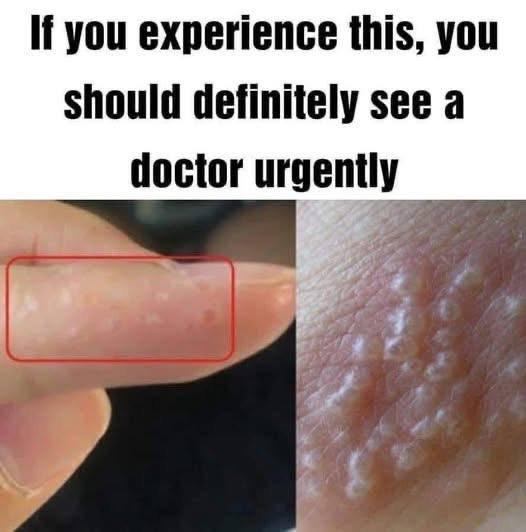
Understanding Dyshidrotic Eczema: Navigating the Challenges of a Seasonal Skin Condition
Dyshidrotic eczema, also referred to as pompholyx, is a common yet often misunderstood skin condition. Typically making its presence felt during the spring months, this disorder is characterized by small, intensely itchy blisters that can significantly disrupt daily activities. The condition often affects the hands and feet, leading to discomfort and frustration for those who experience it. Individuals suffering from dyshidrotic eczema may find themselves grappling with social interactions or even simple tasks, as the itchy blisters can lead to heightened anxiety and self-consciousness. While dyshidrotic eczema is manageable with appropriate treatments, a definitive cure remains elusive, highlighting the importance of ongoing care and awareness of personal triggers.
What is Eczema?
Eczema is a broad term encompassing a variety of inflammatory skin diseases, with atopic dermatitis being the most prevalent form. In the United States alone, it is estimated that approximately 35 million people are affected by some type of eczema, and shockingly, around 70% of those cases involve children under the age of five. While many children may outgrow eczema, a significant number carry the condition into adulthood. Common symptoms of eczema include:
- Redness and inflammation
- Severe itching
- Swelling and irritation
- Dry or cracked skin
- Fluid-filled bumps that may ooze or crust over
Importantly, eczema is not contagious. Its onset is often linked to genetic factors and can be exacerbated by environmental conditions, including allergens, irritants, stress, and varying weather changes. The psychosocial impact of eczema cannot be overlooked; studies have shown that individuals with eczema may experience a higher incidence of anxiety, depression, and lowered self-esteem due to the visible nature of the condition.
Defining Dyshidrotic Eczema
Among the diverse types of eczema, dyshidrotic eczema stands out due to its distinctive characteristics. This condition manifests as small, deep-seated blisters, primarily forming on the sides of the fingers, palms, and soles of the feet. These blisters, which are filled with clear fluid, often come with a burning sensation or itching. The discomfort can range from mild to severe, depending on the individual and the extent of the flare-up. In more severe instances, the blisters may rupture, resulting in peeling skin, cracking, and painful sores, which can lead to secondary infections if not managed properly.
Dyshidrotic eczema is identified by various names depending on the area impacted: cheiropompholyx (hands), podopompholyx (feet), and cheiropodopompholyx (both hands and feet). While it is predominantly seen in individuals aged 20 to 40, it can affect anyone at any age. Its prevalence is notably higher among people with a history of allergies, asthma, or a familial tendency toward eczema and other atopic disorders. For instance, a person who has a parent or sibling with atopic dermatitis may have a higher risk of developing dyshidrotic eczema themselves.
Identifying Triggers
The precise cause of dyshidrotic eczema remains largely unknown; however, several common triggers have been identified. Seasonal changes, especially during spring when pollen and allergens flourish, often precipitate flare-ups. This can be particularly challenging for individuals who are also sensitive to seasonal allergies. Other identified triggers include:- Excessive perspiration or moisture on the hands or feet
- Contact with allergens and irritants, particularly metals like nickel and cobalt or household cleaning agents
- Emotional stress and anxiety
- Fungal infections
- Certain foods or environmental factors
















