
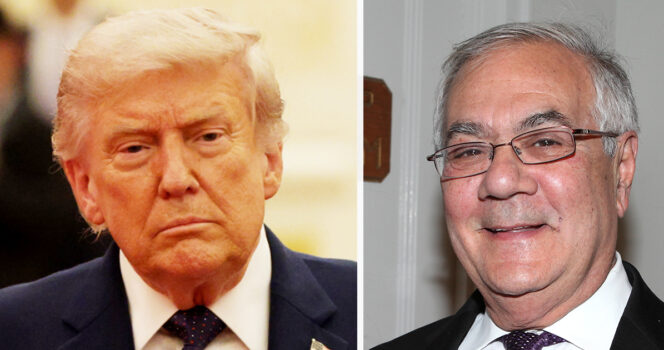
Reflections on the Life and Legacy of Barney Frank
Barney Frank, a monumental figure in American politics and a staunch advocate for LGBTQ+ rights, has passed away at the age of 86. His death marks the end of an era for many who admired his courage and commitment to social justice. Frank’s sister confirmed to NBC Boston that he died on Wednesday. Throughout his remarkable 32-year tenure representing southern Massachusetts in the U.S. House of Representatives, Frank not only became the first openly gay member of Congress, but he also established himself as a guru of fiscal policy and a defender of civil liberties. His journey in the political arena was as significant as it was transformative, not just for his district, but for the entire nation.
A Trailblazer in Politics
Born on March 31, 1940, in Bayonne, New Jersey, Frank often spoke of how his identity shaped his political journey. Growing up in a time when homosexuality was largely stigmatized, his decision to be openly gay was revolutionary. In an era marked by persecution and discrimination against LGBTQ+ individuals, Frank’s candidness about his sexuality was not just a personal revelation—it was a political act that challenged societal norms. His courageous stance opened doors for future generations of openly LGBTQ+ politicians, demonstrating that visibility and representation matter profoundly in democratic societies.
Significant Contributions
One of Frank’s most significant contributions came in the wake of the 2008 financial crisis, where he played a crucial role in reforming Wall Street regulations. As the Chair of the House Financial Services Committee, he was instrumental in crafting legislation aimed at protecting consumers and ensuring greater accountability among financial institutions. His work on the Dodd-Frank Wall Street Reform and Consumer Protection Act is often cited as one of the most comprehensive reforms in American financial history. This legislation not only aimed to prevent another financial meltdown but also sought to restore public confidence in the financial system, illustrating Frank’s dual commitment to economic stability and consumer rights.
Personal Milestones and Public Statements
In 2012, Frank made headlines once again by becoming the first sitting member of Congress to marry a same-sex partner when he tied the knot with Jim Ready. This landmark event was not merely personal; it represented a significant cultural shift in American society regarding the acceptance of LGBTQ+ relationships. Frank himself remarked, “It was life-changing, lifesaving for me,” highlighting the profound impact of love and acceptance on individual lives. His marriage was a testament to the progress made in LGBTQ+ rights, serving as an inspiration for countless individuals battling for equality in their own lives.
Final Reflections and Controversies
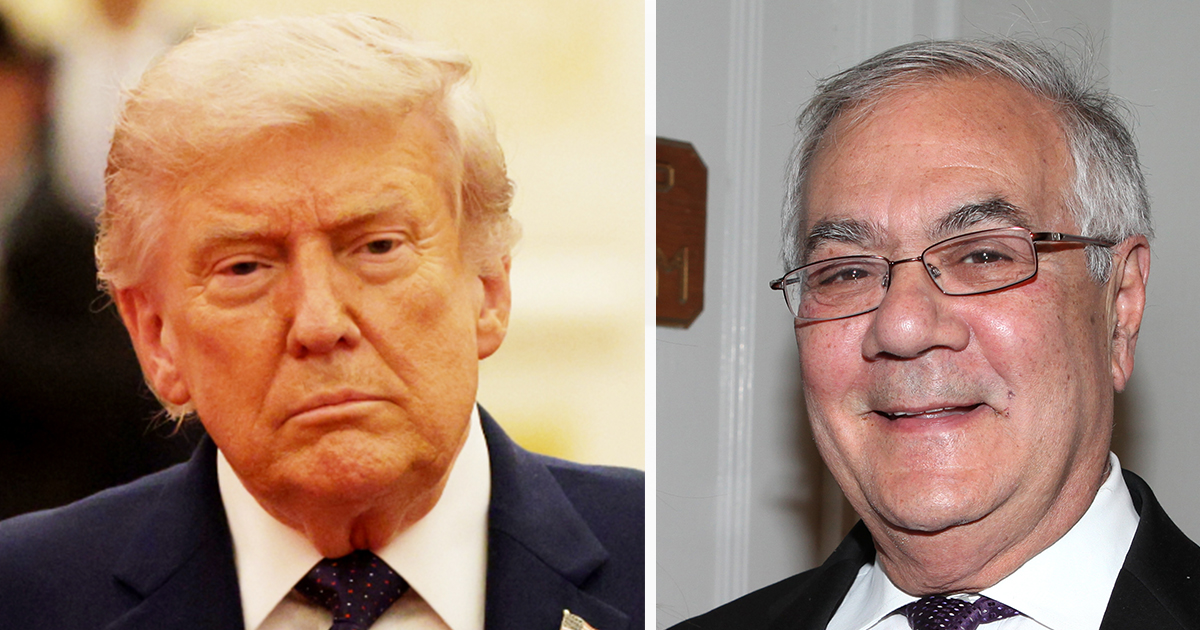
As Frank entered his final weeks in hospice care, he continued to engage with the media, reflecting on his life and the political landscape. He expressed a lingering regret: that he would not witness the “continued implosion of Donald Trump.” In interviews, he labeled Trump an “idiot savant,” critiquing his lack of meaningful policies and vision. Frank’s insights into Trump’s character reveal a man who, despite facing his mortality, remained deeply invested in the political dialogue of the nation. His critiques were not merely personal attacks; they were rooted in a profound understanding of the responsibilities of public office and the ethical standards expected of those who wield power.
Tributes and Legacy
Tributes have flooded in from across the political spectrum, celebrating Frank’s unparalleled contributions. Former President Barack Obama honored him on social media, stating that Frank had fought tirelessly for the people of Massachusetts and had played a pivotal role in advocating for affordable housing and the rights of LGBTQ+ Americans. “Barney’s passion and wit were second to none,” Obama added, emphasizing the personal impact Frank had on his colleagues and constituents alike. This sentiment was echoed by many who knew him, as they recalled his sharp intellect, unyielding spirit, and ability to connect with people from all walks of life.
Advocacy for the Underrepresented
Throughout his career, Frank was a tireless advocate for marginalized communities, using his platform to elevate the voices of those often overlooked in political discourse. He championed not only LGBTQ+ rights, but also fought against discrimination of all kinds, advocating for the rights of women, minorities, and the economically disadvantaged. Frank’s legislative efforts included supporting the Fair Housing Act and working towards the expansion of social safety nets. His commitment to social justice was not merely a facet of his political identity; it was the core of his being, influencing countless lives along the way.
Conclusion: A Call for Reflection
As we reflect on Barney Frank’s legacy, it becomes clear that his impact extends far beyond politics. He was not just a legislator; he was a symbol of progress and resilience. In a world that continues to grapple with issues of diversity and inclusion, Frank’s journey serves as a beacon of hope and a call to action for all who aspire to create a more equitable society. His life reminds us of the ongoing struggles for equality and justice, urging future generations to champion these causes. Frank’s story is one of courage, tenacity, and an unwavering belief in the power of empathy and understanding—qualities that we must continue to embody as we navigate the complexities of our times.
















