
Unveiling the Mystery of Dead Man’s Fingers: A Curious Fungal Phenomenon
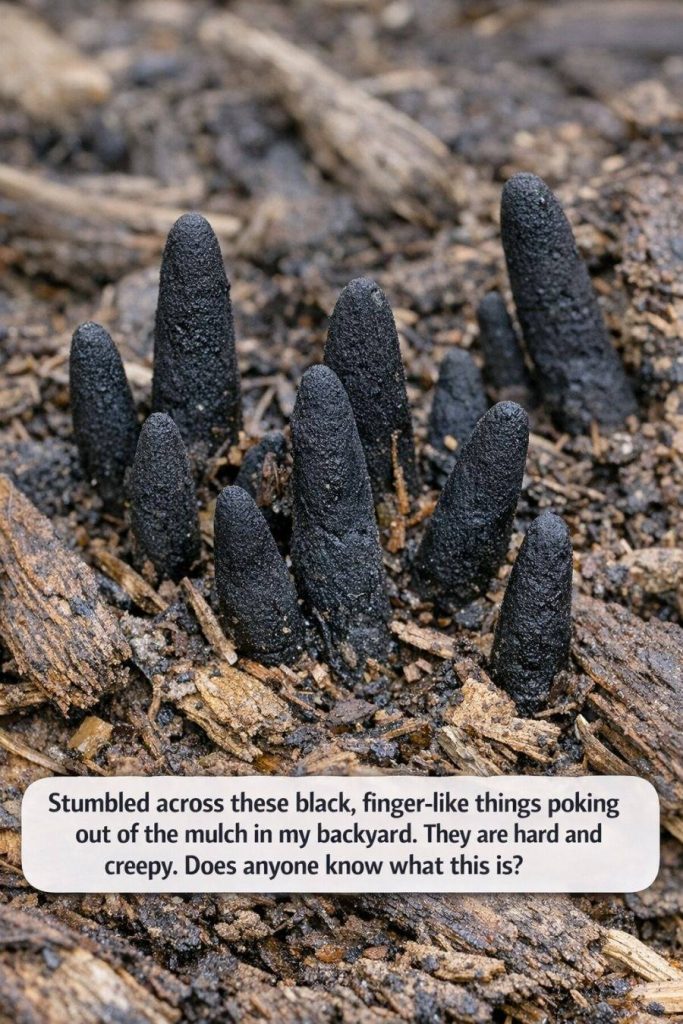
Finding odd formations in your garden can evoke a mix of intrigue and concern. Among the bizarre growths that homeowners might encounter are dark, finger-like protrusions emerging from the mulch. These peculiar structures often prompt questions regarding their nature and potential hazards. A common suspect for these eerie formations is a type of fungus known as Dead Man’s Fingers (Xylaria polymorpha). Despite its ominous name, understanding these fascinating organisms can transform fear into curiosity. In this article, we delve into the characteristics, identification, and ecological significance of Dead Man’s Fingers in your backyard.
The Eerie Appearance: Why Dead Man’s Fingers Capture Attention
At first sight, the black, elongated growths known as Dead Man’s Fingers can be quite unsettling. These fungi typically reach lengths of 3 to 4 inches and take on a dark brown or black hue as they mature. Their shape resembles skeletal fingers rising from the ground, which is the origin of their notorious name. When young, these structures may appear white or pale, before undergoing a transformation into a more rigid and dark form. The juxtaposition of these fungi against the surrounding mulch or soil enhances their striking appearance, drawing the eye and sparking a sense of wonder.
Understanding Dead Man’s Fingers: Ecology and Habitat
Scientifically classified as Xylaria polymorpha, Dead Man’s Fingers are saprobic fungi, meaning they derive their nutrients from decomposing organic matter. Most often found in deciduous forests, these fungi can also thrive in gardens, particularly in areas rich in wood chips or decaying wood. As part of the Xylariaceae family, they play a vital role in breaking down cellulose and lignin in dead wood, thus contributing significantly to nutrient cycling within ecosystems. Their distinctive fruiting bodies often appear in clusters, further enhancing their resemblance to a hand with multiple fingers.
Identifying Dead Man’s Fingers: Key Characteristics
To accurately identify Dead Man’s Fingers, look for their unique features. Mature specimens display elongated, finger-like shapes that are predominantly black or dark brown. Initially, they may start off as pale or whitish, gradually darkening as they mature. The surface tends to be smooth, and when cut open, the interior reveals a white coloration. These fungi typically emerge from decaying wood, often found at the bases of trees, on stumps, or nestled within mulch. If you suspect these fungi have taken residence in your garden, consider utilizing resources such as local extension offices or mycologists for proper identification.
The Environmental Conditions Favoring Growth
Dead Man’s Fingers flourish in environments abundant with decomposing wood, which explains their frequent appearance in garden mulch and beds rich in wood chips. The presence of decaying organic matter supplies the essential nutrients that fuel fungal growth. Additionally, factors like moisture and shade significantly contribute to their proliferation. Areas that remain damp or receive limited sunlight create optimal conditions for these fungi to thrive. Seasonal changes, especially during spring and fall, often prompt their emergence as conditions become increasingly favorable for fungal activity.
Are Dead Man’s Fingers Safe? Debunking Myths
One of the most reassuring aspects of encountering Dead Man’s Fingers is that they pose no threat to humans, pets, or plants. Although their appearance may seem alarming, these fungi do not harm individuals or animals simply through contact. They are not edible, primarily due to their tough texture and unappealing taste. Furthermore, from a horticultural perspective, Dead Man’s Fingers do not harm living plants, as they primarily target dead organic matter for decomposition. Hence, their presence can be viewed as a beneficial aspect of garden ecology.
Common Confusions: Misidentifications and Myths
Due to their unusual appearance, Dead Man’s Fingers can often be mistaken for other fungi or plant structures. Common misidentifications include Stinkhorn fungi, which also exhibit an elongated shape but differ in color and texture. Additionally, decaying plant materials or roots may appear similar, yet they lack the distinct characteristics associated with fungi, such as spore production. Understanding these differences is crucial for accurate identification and removes unnecessary concerns about potential hazards.
What To Do Upon Discovery of Dead Man’s Fingers?
If you stumble upon Dead Man’s Fingers in your yard, there is generally no need for alarm. It may be beneficial to leave them undisturbed, as they play a crucial role in decomposing organic matter and enriching the soil. However, if you find their presence undesirable for aesthetic reasons, you can gently remove them, ensuring that you also extract any decaying wood to prevent regrowth. Always remember to wear gloves during removal to protect your hands from any potential irritants.
Preventing Future Growth of Dead Man’s Fingers
To deter Dead Man’s Fingers from returning, it is essential to minimize the amount of decaying wood in your garden. Regularly refreshing and turning mulch can significantly help, along with ensuring proper drainage and sunlight exposure to decrease moisture levels. Using alternative mulch materials that decompose less readily, such as pine needles or gravel, can also discourage fungal growth.
Consulting Experts: When to Seek Professional Help
If you ever find yourself uncertain about the identification of a fungal growth or suspect it may pose a threat, consulting with a mycologist or local extension service is advisable. Experts can provide accurate identification and management strategies. Seeking professional help is also recommended if you notice a widespread fungal issue that could impact the health of your trees or shrubs, as timely intervention may be necessary.
Fostering Curiosity: The Wonders of Backyard Fungi
Discovering Dead Man’s Fingers in your yard can ignite an interest in mycology, the study of fungi. These organisms are pivotal in ecosystems, assisting in the decomposition of organic material and forming symbiotic relationships with plants. By embracing curiosity, you can develop a deeper appreciation for the natural world and the fascinating life cycles that occur beneath our feet. Consider exploring local resources or joining a mycology club to expand your understanding of the diverse and intriguing universe of fungi.
















