
The Transformative Impact of Artificial Intelligence on the Workforce
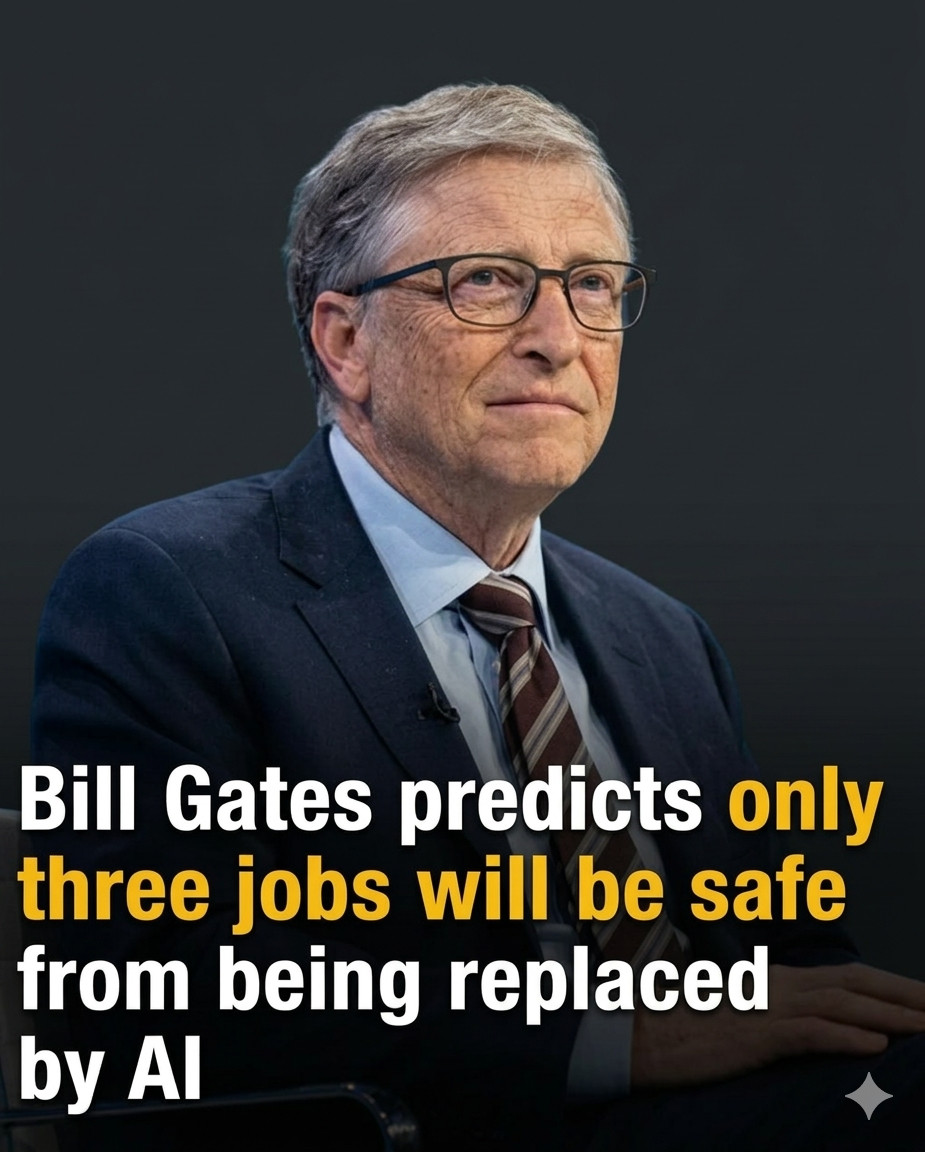
As we find ourselves in the midst of a technological revolution, the influence of artificial intelligence (AI) on the future of work is becoming increasingly evident. Visionaries in technology, such as Bill Gates, have posited that AI could take over numerous tasks currently performed by humans, fundamentally altering industries and the nature of employment. This evolution raises critical questions about the future landscape of work, prompting both excitement and apprehension among workers and employers alike. It is essential to explore how AI is reshaping job functions, democratizing knowledge, and necessitating a cultural shift towards continuous learning.
The Role of AI in Shaping Job Functions
As AI systems advance, certain roles are projected to diminish or change significantly. For instance, jobs that involve repetitive, manual tasks—such as assembly line work, data entry, and even some aspects of customer service—are particularly susceptible to automation. The literature suggests that positions in sectors like manufacturing and retail might see a decline as AI-driven robots and chatbots take over these tasks. However, while some positions may become obsolete, others are likely to adapt, leading to a new paradigm that requires individuals to work alongside AI technologies. Bill Gates emphasizes that expertise in traditionally valued fields such as medicine and education has been prized due to its limited accessibility and specialized knowledge. For example, AI can assist doctors in diagnosing diseases by analyzing medical images more accurately than human eyes, but the empathy and ethical considerations in patient care remain firmly within the human domain.
Democratization of Knowledge
One of the most profound implications of AI integration into the workforce is the potential for democratizing knowledge. As AI tools become more sophisticated, they can provide access to high-quality information and expert guidance that was previously reserved for individuals with extensive training. Gates refers to this phenomenon as the emergence of “free intelligence,” where advanced knowledge becomes ubiquitous due to the democratizing effects of technology. For instance, online platforms powered by AI are allowing students in remote areas to access quality educational resources that were once only available to those in urban centers, thus leveling the playing field. This could lead to a drastic reduction in barriers across various sectors, notably in education and healthcare, where access to information and resources can significantly improve outcomes. Imagine a student in a developing country receiving the same quality of education through AI-driven platforms as one in a highly funded school in a developed nation.
Adapting to the AI Revolution
While the prospect of AI-driven change is thrilling, it also brings forth a myriad of challenges for industries and workers who must adapt to rapid advancements. The integration of AI into daily operations is set to revolutionize decision-making and service delivery, compelling businesses to rethink their strategies. Decisions once made by human intuition may increasingly rely on data-driven insights provided by AI systems. For example, in the field of marketing, AI algorithms analyze consumer behavior to predict trends, allowing companies to tailor their strategies more effectively. This shift could lead to a more efficient workplace but necessitates a new approach to professional development. Organizations need to invest in training their workforce not just in using AI tools but also in understanding their implications for ethics and accountability.
















