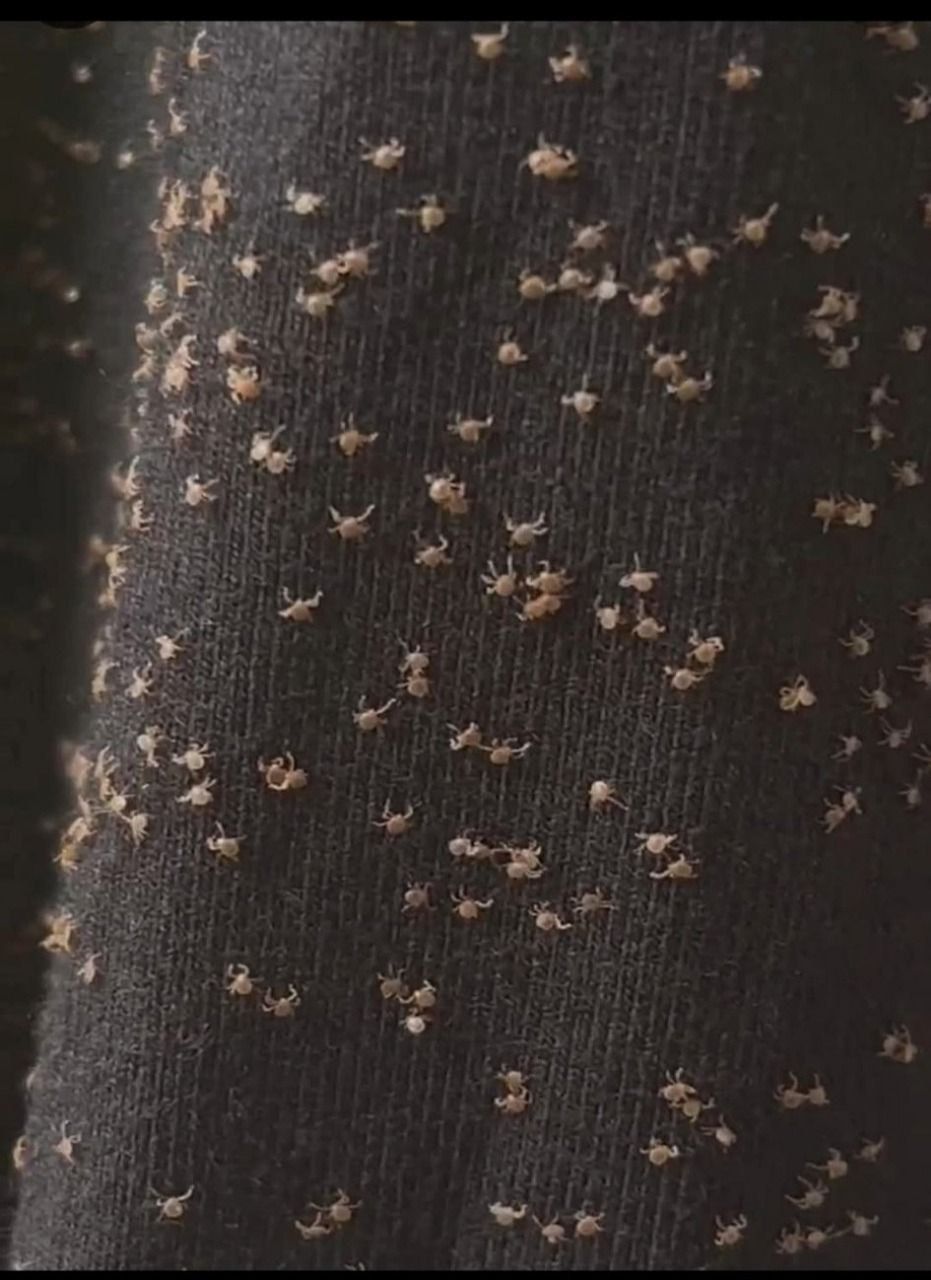
Have you ever enjoyed a peaceful stroll through a park, nature trail, or a vast open field, only to realize later that your pant legs are adorned with tiny, sticky bits? This common occurrence can be both surprising and puzzling, especially when these little clingers seem to appear out of nowhere. However, the explanation for this curious phenomenon is straightforward and rooted in nature’s clever design. The tiny hitchhikers you encounter during your outdoor adventures are often plant seeds, specifically known as burrs or stickseeds. This fascinating aspect of nature reveals an intricate survival strategy that many plants employ to ensure their propagation and spread.
Many plants have developed an ingenious survival tactic that allows their seeds to attach themselves to passing animals or humans. This method enhances their ability to travel to new environments, far away from their parent plants. When your clothing brushes against these seeds, they latch on tightly and hitch a ride, increasing the likelihood of successful germination in a more suitable location. This adaptation not only facilitates a broader distribution but also reduces competition among seedlings by allowing them to germinate in areas where they can thrive without overcrowding their source plants.
Sadržaj se nastavlja nakon oglasa
How Do These Seeds Attach Themselves?
The mechanism by which these seeds adhere to fabrics is quite fascinating. Most hitchhiking seeds possess unique structures that enable them to cling effectively. For instance, many have tiny hooks, barbs, or fine hair-like projections that catch onto clothing, functioning similarly to how Velcro adheres to itself. These specialized adaptations ensure that the seeds remain attached even as the host moves through various environments, effectively increasing their reach. Others are equipped with slightly sticky surfaces that enhance their grip, making them even more challenging to detach once they have latched on. This ingenious design not only facilitates seed dispersal but also significantly boosts their chances of thriving in new habitats.
Common Hitchhiking Plants
Several plant species have evolved this fascinating hitchhiking trait, showcasing the remarkable diversity of nature’s adaptations. Some of the most common hitchhiking plants include beggar’s lice, burdock, goosegrass (also known as cleavers), and sandbur.
For example, burdock is a biennial plant known for its huge leaves and impressive seed burrs, which can cling to anything that comes into contact with them.
These plants are particularly prevalent along trails, in tall grass, or in proximity to wooded areas, where they can easily latch onto unsuspecting passersby.
Their seeds are designed not only for distance but also for adaptability, ensuring they can thrive in various environmental conditions when they land in a suitable location.
The Ecological Role of Burrs and Stickseeds
The hitchhiking strategy is not merely a quirky adaptation; it plays a vital role in the ecological balance of ecosystems. By spreading their seeds over large distances, these plants contribute to biodiversity and ecosystem resilience.
As they colonize new areas, they can provide food and habitat for various wildlife species, thus enhancing the overall health and stability of their environments. For instance, the seeds of burdock are a food source for birds and other small animals, while the plants themselves can serve as shelter.
Furthermore, these hitchhiking plants can outcompete less adaptable species, helping to shape the character of the ecosystems they invade.
Strategies for Removing Burrs
If you find yourself decorated with these pesky seeds after a walk, there are effective ways to remove them without much hassle. One of the simplest methods is to use a lint roller, which can quickly pick up the seeds from your clothing.
Alternatively, you can use adhesive tape or a fine-tooth comb to dislodge them. It is advisable to perform this removal outdoors to prevent any seeds from spreading inside your home. Following the removal process, a quick wash of your clothing can help ensure that any lingering bits are completely eliminated.
Additionally, if your pets accompanied you on the walk, be sure to check their fur for any hitchhiking seeds, as they can easily become carriers of these little travelers.
Nature’s Ingenious Designs
The next time you discover your pants covered in burrs after a leisurely outdoor excursion, take a moment to appreciate the intricate designs of nature at work.
These cunning adaptations not only highlight the resourcefulness of plants in their quest for survival but also serve as a reminder of the interconnectedness of life.
Nature often presents us with clever surprises, and these hitchhiking seeds are a prime example of how even the smallest elements can play a significant role in the larger ecosystem.
The evolutionary innovations that allow for such dispersal strategies illustrate the ongoing dialogue between species and their environments, showcasing adaptability, resilience, and the beauty of life’s interdependence.
Moreover, understanding this phenomenon can also enrich our outdoor experiences. As we encounter these hitchhiking seeds, we can not only marvel at their design but also engage in conversations about ecology, conservation, and the importance of preserving native plant species that rely on these mechanisms for survival.
By fostering an appreciation for the myriad ways nature has crafted life, we can deepen our connection to the natural world and advocate for its ongoing preservation.