The Importance of Sleep: Understanding the Science Behind a Common Habit
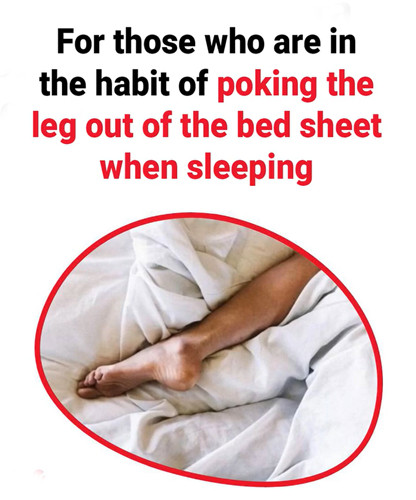
Sleep is an integral component of human health, significantly influencing various bodily systems, from cognitive function to metabolic processes. Despite its importance, many individuals worldwide face persistent challenges in achieving restful sleep. This struggle has led to the establishment of diverse pre-sleep routines that vary widely across cultures. Some people indulge in calming activities such as taking warm baths or sipping herbal teas, while others meticulously arrange their bedding to create a perfect sleeping environment. However, one intriguing behavior has gained considerable attention: the act of sleeping with one foot or leg sticking out from under the blanket. This seemingly innocuous habit is rooted in biological necessity and has a concrete physiological rationale that merits exploration.
The Biological Basis of Thermoregulation
To grasp why this particular sleeping posture is so prevalent, we must delve into the body’s natural preparation for sleep. According to chronobiologists—scientists who specialize in studying biological rhythms—the transition from wakefulness to sleep involves a series of physiological changes that begin long before we actually fall asleep. As noted by María José Martínez, a leading figure in the Chronobiology Group at the Spanish Sleep Society, these changes include vasodilation, where blood vessels within the extremities, such as the hands and feet, expand. This process enables the body to effectively release heat, contributing to a slight decrease in core temperature, which is essential for signaling the brain that it is time for sleep.
This decrease in core temperature is critical for achieving both sleep onset and high-quality rest. Numerous studies have demonstrated that individuals who experience lower core temperatures tend to fall asleep more quickly and enjoy deeper, restorative sleep cycles throughout the night. By allowing a foot or leg to remain exposed to the cooler air, sleepers can effectively enhance their body’s natural temperature regulation. This small adjustment becomes a crucial contributor to the transition into sleep, aligning seamlessly with the body’s circadian signals.
Why Feet Are Key to Sleep Comfort
The anatomy of the feet plays a significant role in this thermoregulation process. The feet contain specialized blood vessels known as arteriovenous anastomoses, which facilitate rapid heat loss, thereby acting as natural thermal regulators for the body. Unlike other parts of the body, the soles of the feet are relatively devoid of fat and hair, making them particularly efficient at transferring heat. When a foot extends into cooler air, this mechanism enhances heat dissipation, further accelerating the cooling process and promoting a smoother transition into sleep.
Cultural and Psychological Perspectives
This behavior is not merely a conscious choice; it is often a natural, instinctive action. Infants, for instance, exhibit similar behaviors, with their extremities becoming warmer just prior to sleep. Adults tend to unconsciously mirror this behavior, occasionally kicking out a leg from underneath the covers during the night. This seemingly minor adjustment contributes not only to physical comfort but also aligns with the body’s innate signals for sleep readiness. Furthermore, creating an optimal sleep environment can amplify the benefits of this behavior. Sleep specialists emphasize that various factors—including light, temperature, and noise—play crucial roles in determining sleep quality.
For instance, maintaining a bedroom temperature within the range of 60–67°F (15–19°C) is considered optimal for facilitating heat loss and promoting restorative sleep. In contrast, excessively warm environments can hinder this natural cooling process, making it more challenging to achieve deep sleep. Additionally, exposure to blue light emitted by smartphones and televisions can disrupt melatonin production, further delaying the sleep onset process. Thus, darkening the room and utilizing blackout curtains can significantly improve sleep quality.
Integrating Healthy Sleep Habits
Another vital element of enhancing sleep quality involves establishing a consistent sleep schedule. Going to bed and waking up at the same time each day, including weekends, helps synchronize the body’s internal clock, making it easier to fall asleep and wake naturally. Dietary choices also influence sleep patterns; heavy meals, caffeine, or alcohol consumed shortly before bedtime can disrupt circadian rhythms. Conversely, light, balanced meals tend to support optimal nighttime physiology.
Furthermore, regular physical activity promotes healthy sleep patterns, although timing is crucial. Engaging in exercise earlier in the day can enhance sleep drive, while intense workouts close to bedtime may elevate body temperature and hinder sleep onset. These environmental and behavioral strategies work hand in hand with physiological cues, illustrating that sticking one foot outside the blanket is merely one component of a larger, holistic approach to achieving restorative rest.
Long-Term Health Benefits
The implications of quality sleep extend far beyond mere comfort. Adequate sleep is essential for bolstering immune function, cognitive performance, mood stability, and overall metabolic efficiency. In contrast, chronic sleep deprivation is linked to heightened risks of anxiety, obesity, diabetes, hypertension, and other health issues. Therefore, even small behaviors, like sticking a foot out from under the blanket, can exert significant influences on long-term health outcomes.
Conclusion: A Simple Yet Effective Strategy
Sleeping with one foot exposed is more than just a quirky habit; it serves as a biologically informed strategy to enhance thermoregulation and sleep quality naturally. By incorporating this simple adjustment alongside established sleep hygiene practices, individuals can experience meaningful improvements in both how quickly they fall asleep and the depth of their rest. Recognizing and responding to the body’s signals, optimizing the sleep environment, and embracing intuitive behaviors like foot exposure collectively underscore the idea that effective sleep interventions often stem from simple, easily accessible actions rather than complex solutions. Ultimately, this practice highlights the profound connection between human physiology and behavior, illustrating that low-cost, straightforward adjustments can lead to significant improvements in health and well-being. The next time you find yourself kicking one foot out from under the covers, remember: it is not just a habit; it is your body’s inherent way of signaling its readiness for restorative sleep.