Differentiating Green Onions, Scallions, Spring Onions, and Chives
When navigating the produce section of your local grocery store, you may encounter a variety of green alliums that, at first glance, appear quite similar. Green onions, scallions, spring onions, and chives are often mistaken for one another, yet they each exhibit distinct characteristics that set them apart. Understanding these differences not only facilitates better culinary choices but also elevates the flavors of your dishes, allowing you to use these ingredients to their fullest potential. In this article, we will explore each of these alliums, their unique traits, culinary applications, and tips on how to choose the right one for your recipes.
Green Onions and Scallions: The Same, Yet Different
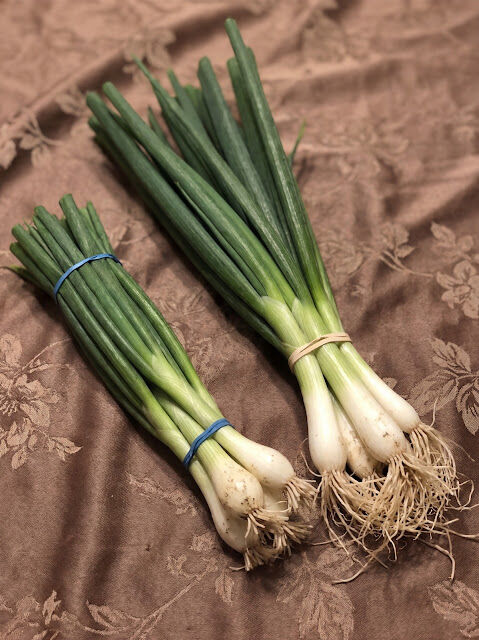
First on the list are green onions and scallions, terms that are often used interchangeably. Both refer to young alliums harvested before they develop a fully formed bulb. Their appearance includes a slender white base and long, hollow green tops, making them visually appealing and versatile. The flavor profile of green onions is typically mild, fresh, and slightly sweet, which makes them an excellent addition to various dishes.
In culinary uses, both the white and green parts can be enjoyed. The white part of the green onion carries a stronger flavor, while the green tops are softer and more delicate, making them ideal for garnishing and adding subtle freshness to salads, salsas, or as a topping for soups. For example, try adding chopped green onions to a refreshing cucumber salad for an extra layer of texture and flavor. They can also be lightly sautéed or incorporated into stir-fries, eggs, and noodle dishes, where they contribute a refreshing crunch without overpowering other flavors.
Spring Onions: A Mature Alternative
In contrast to scallions, spring onions are harvested later in their growth cycle, resulting in a more developed bulb at their base. This bulb contributes a stronger and sweeter flavor akin to that of a mild red or yellow onion, making spring onions a fantastic choice for recipes that require a more pronounced onion taste. Their versatility shines when grilled or roasted whole, as the cooking process enhances their natural sweetness and creates a delightful caramelization. Imagine roasting spring onions with olive oil and sea salt until they are tender and browned, and serving them alongside grilled meats for a flavorful side dish.
In addition to their bulb, the green tops of spring onions can also be utilized as a garnish or ingredient in various dishes, making them a practical option for those looking to incorporate both the onion and the green parts into their meals. Whether sautéed alongside other vegetables or used as a finishing touch on a grilled meat dish, spring onions can elevate the overall flavor profile of your culinary creations. Moreover, they can be the star of the show in dishes like spring onion fritters or a vibrant spring onion soup, where their flavor can truly shine.
Chives: The Subtle Herb
Unlike the aforementioned options, chives stand out as an herb rather than an onion variety. With their thin, solid, grass-like stems and lack of a bulb, chives offer a unique and delicate flavor that is distinctly different from the other alliums. The taste of chives is mild and nuanced, making them ideal for dishes where you want an onion flavor without overwhelming the other ingredients. For instance, chives can add a light, onion-like taste to creamy dips or soft cheeses, enhancing their richness without dominating the palate.
Chives are best utilized raw or as a finishing touch, sprinkled generously over soups, dips, and egg dishes. Their subtlety works particularly well with creamy dishes, as they can add a gentle onion finish that enhances the overall experience without overpowering the dish. Additionally, chives are a perfect accompaniment for potatoes, providing a fresh and vibrant contrast to the hearty starch. Consider a classic baked potato topped with sour cream and finely chopped chives for a simple yet delightful side dish.
Choosing the Right Allium for Your Dish
Understanding the distinctions between these four types of alliums can greatly enhance your cooking experience. Each variety offers a unique set of flavors and textures, allowing for greater creativity and precision in your culinary endeavors. When selecting which allium to use, consider the overall flavor profile of your dish and the role you want the allium to play. For instance, if you desire a strong onion flavor, go for spring onions. In contrast, for a subtle hint of onion, chives may be the best choice. Additionally, the versatility of green onions and scallions makes them suitable for both raw and cooked applications, giving you flexibility in your meal preparation.
Moreover, experimenting with these ingredients can lead to delightful surprises in your kitchen. Consider combining them in a dish to create layers of flavor—perhaps a salad with chopped chives and sliced green onions or a stir-fry that incorporates both scallions and spring onions. The possibilities are endless, and each combination can yield a unique culinary experience. For example, a warm potato salad might become extraordinary with the addition of both chives for freshness and spring onions for depth. The interplay of flavors can transform a simple dish into something memorable.
Conclusion: Embrace the Variety
In conclusion, green onions, scallions, spring onions, and chives each have their place in the culinary world. By recognizing their individual characteristics, flavors, and best uses, you can make informed decisions that enhance your cooking. Next time you find yourself in the produce aisle, take a moment to appreciate the differences and consider how each of these alliums can contribute something special to your meals. Embrace the variety, and let your creativity flourish in the kitchen! Whether you’re whipping up a quick salad or preparing an elaborate feast, the right allium can make all the difference, enhancing the overall taste and presentation of your dishes.