The Importance of Unplugging Appliances: Enhancing Safety and Reducing Energy Costs
For many homeowners, the advice to unplug appliances after use may seem trivial or even outdated. Yet, the implications of this practice extend far beyond mere convenience — it encompasses significant aspects of safety and energy efficiency. A surprising number of electrical devices are not truly off when switched off; instead, they continue to draw power. This phenomenon, often referred to as “phantom energy” or “vampire power,” can lead to an unexpected increase in household utility bills, ranging from $100 to $200 annually. By understanding the importance of unplugging these devices, homeowners can take a crucial step towards a safer and more sustainable living environment.
The Hidden Costs of Standby Power
Standby power is essentially the electricity consumed by devices when they are not in active use but remain plugged in. Common household items, such as televisions, gaming systems, and chargers for mobile phones, contribute significantly to this ongoing energy drain. For example, a typical television, even when turned off, can consume up to 10 watts of electricity. When multiplied over the course of a year, this seemingly insignificant amount of power can add up to considerable costs. The cumulative effect of multiple devices on standby not only contributes to higher energy demand and increased carbon emissions but also puts a strain on household budgets, making it vital for homeowners to recognize this issue.
Hazards of Leaving Appliances Plugged In
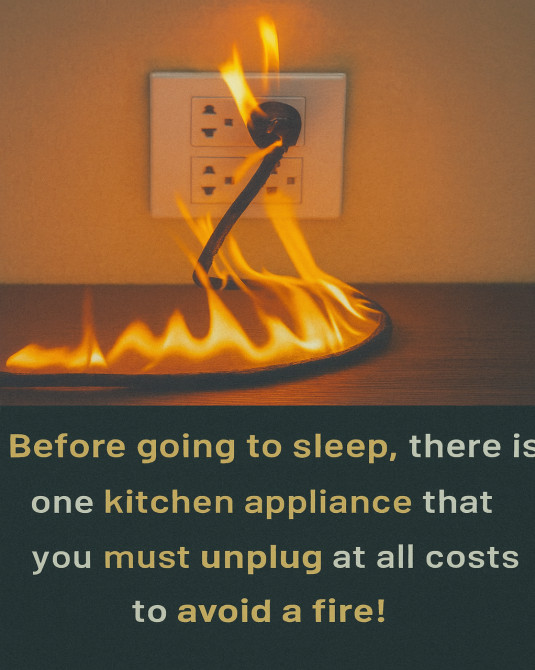
In addition to escalating energy costs, leaving appliances plugged in poses serious safety risks. A range of devices can become fire hazards if not monitored closely. For instance, space heaters are notorious for being a leading cause of winter house fires. Their operation can lead to overheating, especially if they are positioned too close to flammable materials such as curtains, bedding, or furniture. In fact, according to the National Fire Protection Association (NFPA), space heaters accounted for 44% of home heating fire incidents. By unplugging these heaters after use, homeowners can significantly reduce the risk of a potentially devastating fire.High-Temperature Appliances and Their Risks
Another category of appliances that should be diligently unplugged includes hair styling tools, such as curling wands and flat irons. These devices can reach dangerously high temperatures and, if accidentally left plugged in, can ignite nearby fabrics or materials. For instance, a flat iron, if left on a towel or a bed, can easily start a fire within minutes. The same caution should be exercised with kitchen appliances like toasters and toaster ovens, which may accumulate crumbs that can smolder and ignite if not attended to. Much like their higher-tech counterparts, older models of these appliances may also malfunction, posing additional risks when left plugged in. Establishing a habit of unplugging these high-temperature appliances can greatly enhance safety in the household.Everyday Electronics and Unnecessary Energy Drain
It’s not just appliances with heating elements that contribute to phantom energy. Everyday electronics like phone chargers, televisions, and gaming consoles can be major culprits. A standard phone charger alone can consume energy even when it is not charging a device. The U.S. Department of Energy estimates that chargers can waste around $100 a year if left plugged in when not in use. Even when devices are turned off, they can still consume energy, especially if they are connected to the wall outlet. This persistent energy use can be mitigated by simply unplugging the devices when not in use. For those looking for added convenience, smart power strips can serve as an effective solution; they automatically cut off power to devices that are not in active use, helping to minimize waste while providing a user-friendly experience.Developing Energy-Conscious Habits
Establishing a culture of energy conservation within the household can begin with simple actions, such as unplugging appliances immediately after use. This small yet impactful habit not only contributes to enhanced home safety but also fosters a mindset of responsibility towards energy consumption. Parents can encourage family members, including children, to participate in these practices. Simple educational activities, such as discussing the effects of energy waste and the importance of unplugging, can instill a sense of collective responsibility. This approach creates an environment that values safety and sustainability, ultimately leading to a more energy-conscious household.Long-Term Benefits of Unplugging Appliances
The benefits of unplugging appliances extend beyond immediate savings on utility bills. By actively managing energy use, homeowners can contribute to broader environmental goals, reducing overall energy consumption and minimizing their carbon footprint. Such practices promote a healthier planet and a more sustainable lifestyle. Furthermore, taking these precautions can lead to a sense of empowerment, knowing that one is making informed choices that benefit both the household budget and the environment. Beyond the fiscal savings, homeowners who unplug appliances regularly can also experience peace of mind, knowing they are reducing potential risks associated with electrical hazards.In conclusion, unplugging appliances is a relatively simple yet effective way to enhance safety and reduce energy costs in the home. By being mindful of standby power and its associated risks, homeowners can protect their families and their finances. Whether it involves developing new habits or utilizing technology like smart power strips, taking steps to unplug devices can lead to a safer, more energy-efficient home for years to come. By fostering a culture of awareness regarding energy consumption, individuals contribute not only to their household’s safety and savings but also to a more sustainable future for all.