The Complex Landscape of Older Drivers: Balancing Independence and Safety
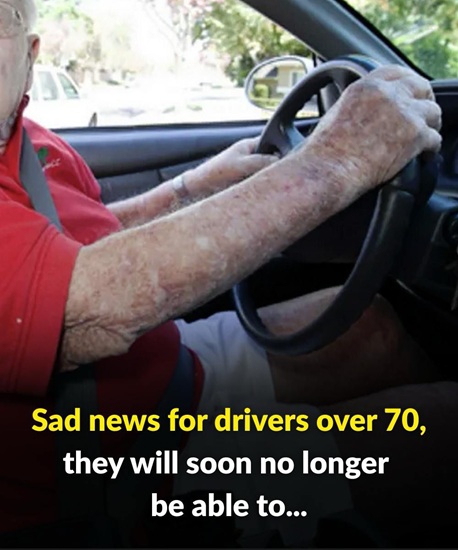
The debate surrounding older drivers is intricate, intertwining issues of road safety, personal autonomy, and societal impacts. As the global population ages, more individuals are remaining active for longer periods, prompting a critical discussion on how to harmonize the freedom that driving confers with the necessary measures to protect all road users. For many older adults, driving is far more than a means of transportation—it encapsulates freedom, routine, and a crucial connection to their communities. The ability to drive independently enables them to maintain social connections, access essential services, and fully engage in their local communities, which significantly enhances their dignity and sense of self-worth.
Recent incidents have brought this issue into sharper focus. For instance, a tragic accident in La Rochelle involving an 83-year-old driver who mistakenly drove in the wrong direction and collided with a group of children on bicycles has reignited discussions about age, driving capabilities, and the adequacy of existing road safety regulations. Data reflect that drivers over the age of seventy-five are involved in accidents at frequencies that resemble those of younger drivers aged eighteen to twenty-four. While younger drivers frequently face criticism for their inexperience and propensity for risk-taking, older drivers confront a unique set of challenges that stem from age-related changes that may not be overtly recognized.
Aging can entail a range of gradual yet impactful changes in physical and cognitive abilities. For example, vision may deteriorate subtly over time, reflexes may slow down, and auditory acuity can diminish. Additionally, cognitive processing can shift, which affects decision-making and situational awareness—critical elements for safe driving. However, it is essential to underscore that age alone does not dictate a driver’s safety on the road. Many older adults maintain sharp coordination, clear vision, and sound judgment well into their later years, indicating a need for policies that consider individual capabilities rather than imposing broad, age-based restrictions.
International Perspectives on Regulation and Assessment
Different countries have adopted various approaches to handle the complexities of aging drivers. In France, for example, there is no mandatory age-based testing for drivers; licenses remain valid indefinitely unless revoked for legal reasons. This policy places reliance on personal responsibility and self-assessment, trusting that older drivers will recognize if their abilities are declining. However, this assumption can be flawed, as many gradual changes in health may not be easily acknowledged by the individual, particularly in relation to vision, cognition, or reflexes. Such reliance on self-evaluation underscores the potential risks inherent in allowing older drivers to assess their own fitness to drive.
Conversely, countries like Italy and Germany implement structured assessments, requiring medical evaluations for drivers between the ages of seventy and seventy-five. These evaluations concentrate on several factors, such as vision, hearing, reflexes, and overall physical condition, which help maintain a balance between independence and safety. By offering structured guidelines that professionals can provide, these assessments deliver a clear advantage: they establish consistent standards aimed at protecting all road users. Nevertheless, such measures can also be perceived as overly restrictive for capable drivers, presenting a challenge for policymakers who must navigate between safety and autonomy.
Empowering Older Drivers Through Support and Education
A viable middle ground in addressing the concerns surrounding older drivers often involves voluntary assessments. This approach allows seniors to seek advice from specialists to evaluate their vision, coordination, reflexes, and reaction times. Instead of a strict pass/fail outcome, personalized evaluations provide constructive feedback that empowers older drivers to make informed decisions regarding their driving habits. Such evaluations can recommend practical adjustments—like driving only during daylight hours, avoiding high-traffic urban areas, or taking regular breaks—thereby reducing risks while still preserving independence and confidence behind the wheel.
Additionally, refresher driving courses designed specifically for older adults can prove invaluable. These courses typically cover updates on traffic laws, new signage, and modern road designs, while also providing opportunities for practical application of maneuvers, which can improve reaction times and help drivers acclimatize to changing traffic conditions. This educational component not only builds competence but also reinforces confidence in their driving abilities, equipping older drivers with the knowledge they need to navigate the roads safely.
Technology and Community Support: Essential Components
As technology continues to advance, vehicle adaptations can also play a significant role in enhancing safety for older drivers. Transitioning from manual to automatic transmission can reduce physical strain, while features such as collision detection systems, lane departure warnings, and parking assistance can provide crucial support. These adaptive technologies help compensate for potential declines in strength or reflexes, allowing older drivers to navigate their vehicles more safely and effectively.
Moreover, training programs that focus on advanced driver-assistance systems (ADAS) are becoming increasingly important. By learning to utilize adaptive features like cruise control, blind-spot monitoring, and GPS navigation, older drivers can improve their situational awareness and effectively respond to the demands of modern traffic environments. The emphasis should be on viewing road safety for older drivers as an ongoing process that entails regular evaluations, training, and adjustments to vehicles, empowering seniors to remain active and safe on the road.
Cultivating a Positive Image of Older Drivers
Public perception of older drivers often tilts toward a focus on risk rather than experience. However, many older individuals bring decades of knowledge and practical skills to the road, gleaned from years of driving without incident. Their familiarity with traffic patterns, regulations, and the subtleties of situational judgment provides insights that younger drivers may often lack. Encouraging education, providing accessible resources, and supporting older drivers in recognizing their abilities can create safer roads while reinforcing a sense of responsibility and autonomy.
Ultimately, driving limitations should be individualized, accounting for each driver’s health, cognitive function, and skill levels. Some older drivers may remain fully capable, while others might need modifications sooner. A one-size-fits-all policy fails to capture the nuanced reality of aging and driving ability. Being aware of early signs of reduced capacity and seeking professional guidance to make proactive adjustments can help preserve independence while mitigating risks associated with driving.
Conclusion: A Collaborative Approach to Aging and Driving
In conclusion, the primary objective for all road users is safety. Achieving this requires not only robust laws and regulations but also a foundation of understanding, empathy, and recognition of the fact that abilities evolve with age and vary greatly among individuals. Older drivers contribute significantly to their communities, engaging socially and providing vital support for family and friends. Limiting their mobility unnecessarily can lead to broader social and emotional ramifications.
Experience often outweighs youthful energy. The skills acquired over years of driving enable older drivers to anticipate, recognize patterns, and adopt defensive strategies that can mitigate many risks associated with driving. As such, a comprehensive approach that emphasizes the importance of ongoing evaluations, training, and adaptive measures can extend safe driving years for older adults while protecting their independence and dignity.