
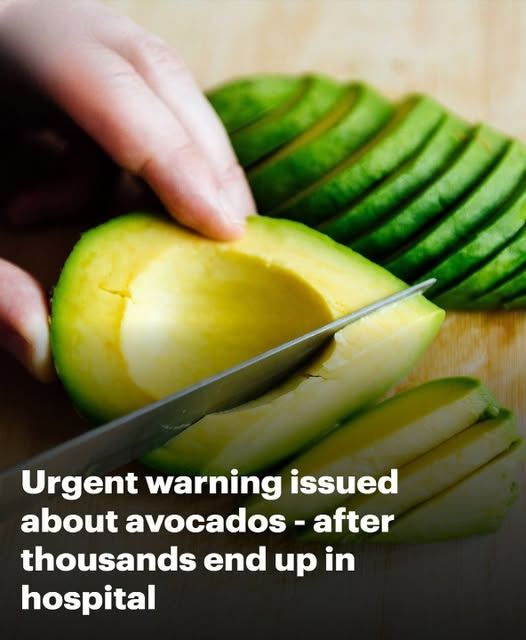
Understanding “Avocado Hand”: A Common Kitchen Injury
Every year, countless individuals find themselves in emergency rooms due to a peculiar culinary mishap known as “avocado hand.” This term has gained traction in recent years, primarily due to the rising popularity of avocados as a health-conscious food choice. What may initially appear to be a simple task—slicing an avocado—can quickly escalate into a painful accident when the knife slips while attempting to extract the pit. Despite the avocado’s recognition as a staple of healthy diets, it has paradoxically become one of the leading causes of hand injuries in modern kitchens. Emergency physician Dr. Joe Whittington reports that close to 9,000 Americans seek emergency treatment for avocado-related injuries annually. These injuries can range from minor cuts to severe wounds that compromise tendons, nerves, or muscles.
The phenomenon of “avocado hand” has gained significant attention in medical circles, prompting professionals to officially recognize the term. Dr. Whittington explains that these injuries typically occur when a person holds an avocado in one hand while trying to strike the pit with a knife in the other. The pit’s smooth surface creates a hazardous scenario; should excessive force be applied, the knife can easily slip off and plunge directly into the palm or fingers. Tragically, some accidents result in lacerations deep enough to necessitate stitches or even surgical intervention. In fact, the nature of these injuries often mirrors those seen in more traditional knife-related incidents, highlighting the dangers lurking even in seemingly innocuous kitchen tasks.
A Safer Approach to Handling Avocados
To address the alarming frequency of these injuries, Dr. Whittington emphasizes that a common mistake people make is assuming the pit will remain stationary during this process. The avocado’s slippery texture and rounded shape can create unpredictability, making it essential to approach the task with a more cautious mindset. To mitigate the risk of injury, he recommends a safer technique: instead of holding the avocado in your hand, place it on a solid cutting board. This simple adjustment can significantly enhance safety and control while cutting.
Begin by slicing the avocado lengthwise around the pit, ensuring that your knife is positioned away from your body to minimize the risk of accidental cuts. Gently twisting the two halves to separate them exposes the pit more safely. Once the pit is visible, grasp the knife firmly near the base of the blade for enhanced control. Rather than swinging or slashing at the pit, Dr. Whittington advises tapping the tip of your knife lightly into the pit. This method requires less force and reduces the likelihood of slipping, as one is using precision rather than brute strength. Once the blade catches, a slow twist will help loosen and extract the pit.
As Dr. Whittington succinctly puts it, “Precision, not power, is what keeps your hands safe.” This crucial advice is underscored by the viral popularity of his instructional video, which has reached millions and serves as a reminder that kitchen safety is as vital as culinary skill. By sharing practical tips on platforms like social media, he has raised awareness about this issue, encouraging a safer approach to handling avocados.
Beyond Injury Prevention: Caring for Avocados
In addition to advocating for safer techniques, Dr. Whittington also provides practical insights on maximizing the use of avocados in cooking. A common misconception is that once an avocado begins to brown, it has spoiled and should be discarded. He clarifies that browning is often a natural result of oxidation, much like how cut apples darken over time. In reality, a browned avocado can remain safe and edible for up to two days when refrigerated. This understanding not only helps in preventing painful accidents but also reduces food waste, allowing for a more sustainable kitchen.For instance, rather than tossing out a slightly brown avocado, one can incorporate it into smoothies, dressings, or baked goods, thereby utilizing its creamy texture and nutritional benefits. Such practices not only enhance culinary creativity but also promote environmentally friendly habits by minimizing waste. Furthermore, recognizing that avocados can be stored in various ripeness stages can empower home cooks to manage their kitchen resources more effectively.
Mindfulness in the Kitchen: A Simple Solution
By adopting a mindful approach to cooking, individuals can greatly enhance their kitchen experiences while minimizing the risk of accidents. Whether you are preparing a nutritious breakfast toast, tossing a salad, or whipping up a creamy guacamole, being aware of your actions can transform cooking into a safer and more enjoyable endeavor. This mindfulness not only applies to cutting avocados but also extends to all culinary tasks. Taking a moment to assess your workspace, ensuring tools like knives are sharp and clean, and maintaining a clutter-free environment can significantly reduce the risk of accidents.Avocados, celebrated for their heart-healthy fats and delicious taste, serve as a reminder that even the most straightforward kitchen tasks warrant careful attention and focus. Engaging with food should be a pleasurable experience, free from the fear of injury. Ultimately, with a steady hand and a commitment to safety, you can protect your fingers and keep your visits to the emergency room strictly related to culinary creativity, rather than unfortunate mishaps. As Dr. Whittington poignantly states, “The goal is to protect your hand, not just perfect your guacamole.”
In conclusion, by employing safer cutting techniques and being mindful of how you handle avocados, you not only enhance your kitchen skills but also ensure a safer cooking environment for yourself and your loved ones. As the love for avocados continues to grow, so too does the responsibility to handle them safely. Through awareness and education, individuals can enjoy the health benefits of avocados while steering clear of the injuries that have come to be associated with this beloved fruit. Remember, the key to a successful and enjoyable kitchen experience lies not only in the ingredients but also in the way we approach cooking.
















