
The Evolution of Sanitation Facilities and Their Terminology
Throughout history, the facilities dedicated to personal hygiene have evolved significantly, and so too has the language surrounding them. Terms such as washrooms, bathrooms, restrooms, and loos reflect not only regional preferences but also cultural attitudes toward sanitation and privacy. This article explores the diverse terminology used globally, delves into the history of these essential facilities, and sheds light on how language has adapted to societal changes, highlighting the importance of sanitation in both public health and personal comfort.
Global Terminology: A Cultural Kaleidoscope
The names given to facilities designed for personal sanitation vary widely across the globe, influenced by cultural contexts and historical developments. In the United States, for instance, the terms “restroom” and “bathroom” are prevalent, used interchangeably in common parlance. However, subtle distinctions exist between these terms: a restroom typically denotes a facility that includes only a toilet and handwashing station, while a bathroom may suggest a space that additionally includes a shower or bathtub. This distinction underscores the American emphasis on privacy and private spaces for personal care.
Contrastingly, in the United Kingdom, the terminology leans towards more traditional terms like “toilet”, “loo”, and “lavatory”. The term “loo”, in particular, has become a colloquial favorite, often used in both casual and formal settings. This variation not only illustrates linguistic preferences but also reflects deeper societal attitudes toward the act of using such facilities. While many might view the term “toilet” as clinical, “loo” introduces a sense of familiarity and comfort.
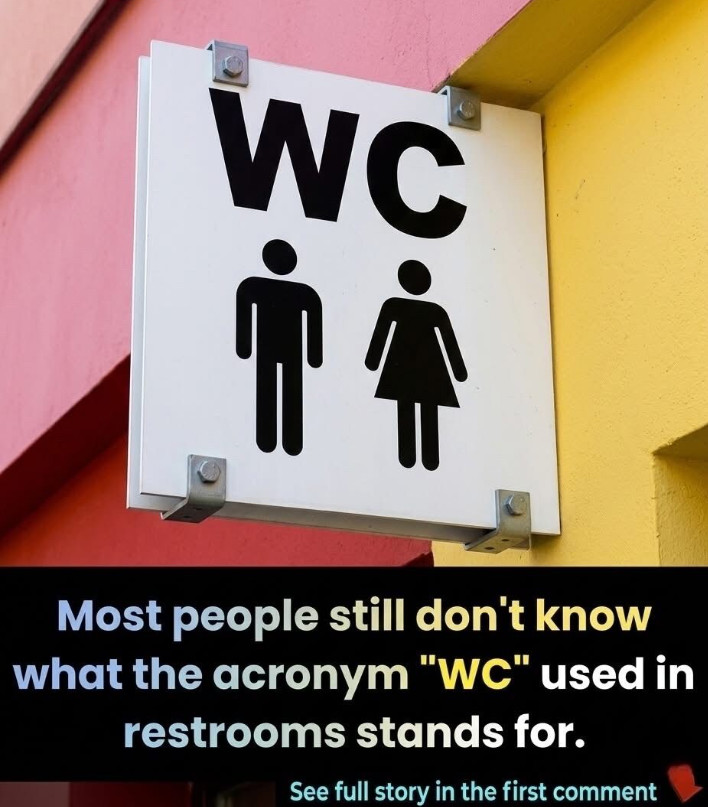
Moreover, in various parts of Europe, the ubiquitous signs labeled “WC” (short for “water closet”) are emblematic of historical transitions in sanitation practices. This term harkens back to the 19th century, when the advent of indoor plumbing transformed personal hygiene into a more private affair. Originally, the term ‘water closet’ described a small room equipped with a flushing toilet, distinct from bathing areas. The evolution of such facilities into essential components of modern living led to the widespread acceptance of this term. Despite the global spread of modern sanitation, the legacy of the term “water closet” remains, symbolizing a pivotal moment in public health and hygiene.
Historical Context of Personal Hygiene Facilities
The evolution of sanitation facilities is a fascinating journey through human innovation and cultural shifts. Before the advent of modern plumbing, personal hygiene practices varied greatly among cultures. Many societies relied on communal facilities or separate areas for bathing and sanitation, often using manual water transport to maintain cleanliness. For example, in ancient Rome, public baths served both as sanitation facilities and social hubs, emphasizing the communal aspect of hygiene. The introduction of plumbing systems revolutionized these practices, allowing for greater accessibility and convenience in personal care.The term “water closet” gained popularity as indoor plumbing became more integrated into homes during the Victorian era, symbolizing a significant advancement in sanitation. This innovation allowed individuals to maintain privacy while attending to their bodily needs, which was a considerable improvement over communal facilities. Furthermore, the establishment of private sanitation facilities marked the beginning of a new era in public health, significantly reducing the spread of disease and improving overall hygiene standards. It was during this time that the cultural perception of sanitation shifted from a communal duty to a personal responsibility.
Modern Signage and Its Implications
Today, the signs we encounter in public spaces continue to reflect the historical evolution of sanitation facilities. The presence of “WC” in train stations, airports, and shopping centers serves as a reminder of the term’s historical significance, even as many users might not be aware of its origins. This disconnect between the past and present highlights how language and societal norms can shift over time, leading to a unique blend of tradition and contemporary usage. For instance, in many modern cities, the use of pictograms on restroom signs aims to transcend linguistic barriers, promoting inclusivity and accessibility for all.Interestingly, the differences in terminology can sometimes lead to confusion, especially for travelers navigating unfamiliar environments. Encountering a sign that reads “WC” might provoke curiosity or surprise, prompting individuals to question its meaning. Such cultural nuances remind us that language is not merely a tool for communication but also a repository of history and social context. The way we label our sanitation facilities reflects broader societal values regarding privacy, hygiene, and inclusivity. As seen in some cultures where gender-neutral restrooms are becoming more common, the ongoing evolution of terminology often sparks discussions about gender identity and equality in public spaces.
The Universal Need for Cleanliness and Privacy
Despite the diverse terminology and cultural variations, the fundamental purpose of these facilities remains consistent worldwide: to provide a clean and private space for personal hygiene. The significance of sanitation cannot be overstated, as it plays a crucial role in public health and individual well-being. The availability of clean restrooms and washrooms often reflects a community’s values and commitment to maintaining hygiene standards. In many countries, particularly in developing regions, the lack of access to adequate sanitation facilities can lead to significant public health crises, underlining the critical need for investment in infrastructure.Moreover, as societies continue to evolve, so does the conversation surrounding personal hygiene facilities. Issues such as accessibility, sanitation, and inclusivity are increasingly at the forefront, with advocacy for universal access to clean and safe restrooms becoming a priority in many regions. Organizations and grassroots movements work tirelessly to highlight the importance of these facilities in public spaces, particularly for marginalized groups. This ongoing dialogue reinforces the idea that everyone deserves a space that prioritizes dignity and health, regardless of gender, ability, or socioeconomic status.
















