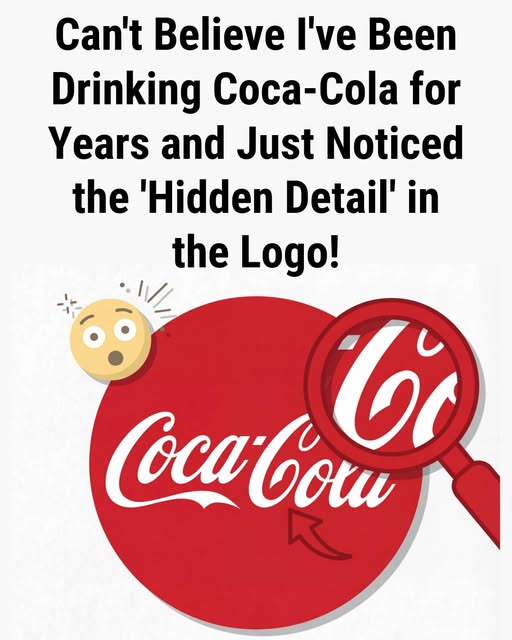
The Hidden Smile of Coca-Cola: A Journey Through Perception and Design
In the world of branding, few logos are as universally recognized as Coca-Cola’s iconic script. While it may seem like a straightforward design choice, the nuances behind its aesthetic evoke deeper connections, particularly in how we perceive and ascribe meaning to symbols. The transformation of the second “C” into a smile is not merely an optical illusion; it represents our innate tendency to see warmth and familiarity in shapes we encounter regularly. This article delves into the origins of the Coca-Cola logo, the psychological ramifications of design, and how our perceptions have evolved over time.
The Origin of the Coca-Cola Logo
The Coca-Cola script has a rich history, tracing back to the late 19th century when Frank Mason Robinson, a bookkeeper for the company, meticulously crafted what would become one of the most recognizable logos in the world. Introduced in 1886, Robinson’s design utilized the Spencerian script, a popular form of cursive writing at the time, characterized by its elegance and fluidity. This choice was not merely aesthetic; it was a strategic move aimed at communicating quality and sophistication.
Sadržaj se nastavlja nakon oglasa
Robinson’s vision was to create a logo that resonated with the American public’s growing appreciation for elegant typography, which was becoming increasingly prevalent in advertising. The Spencerian style, with its looping curves and flowing lines, was seen as a form of artistic expression. It not only caught the eye but also conveyed a sense of trustworthiness and premium quality, attributes that Coca-Cola wanted to be associated with its product. This initial impression set the stage for Coca-Cola to become not just a beverage, but an integral part of American culture.
The Evolution of Interpretation
As decades passed, the Coca-Cola logo underwent minimal changes, yet the associations linked to it have shifted dramatically. Initially, the logo served as a visual representation of the beverage’s refreshing nature. However, through targeted advertising campaigns and cultural phenomena, it began to symbolize much more. The curves of the letters, particularly the second “C,” started to evoke feelings of joy and friendliness. This phenomenon can be attributed to the human brain’s remarkable ability to find meaning and emotion in everyday visuals.
For instance, during the mid-20th century, Coca-Cola launched its iconic advertisements featuring happy families enjoying the drink during summer picnics and festive celebrations. This strategic placement of the logo in positive contexts helped solidify the connection between the logo and feelings of happiness and togetherness. As a result, the brand became synonymous with joy, contributing to the widespread notion that Coca-Cola is not merely a drink but a catalyst for creating memorable moments. This emotional branding has allowed Coca-Cola to maintain its relevance across generations, continuously adapting to the evolving cultural landscapes while retaining its core identity.
The Psychology Behind Design
Understanding how our brains interpret designs is fundamental to grasping the Coca-Cola logo’s impact. Psychologists argue that humans are naturally predisposed to recognize faces and emotions in various objects—a phenomenon known as pareidolia. This instinct is rooted in our survival mechanisms, enabling us to discern friend from foe quickly.
Consequently, when we encounter the gentle curve of the second “C,” our brains may interpret it as a smile, linking it to feelings of happiness and comfort.
This concept extends beyond the Coca-Cola logo. Brands across various industries have utilized similar design principles to evoke specific feelings and responses in their target audiences.
For example, fast food chains often use bright colors and playful fonts to create a sense of excitement and fun, appealing to families and children. In contrast, luxury brands frequently employ sleek, minimalist designs to convey sophistication and exclusivity.
The Coca-Cola logo, with its soft curves and inviting appearance, stands out as an exemplar of how design choices can manipulate emotional responses and shape consumer behavior.
Advertising and Cultural Context
Coca-Cola has strategically positioned itself at the intersection of celebration and everyday life through its marketing efforts. Over the years, the brand has consistently associated itself with moments of joy—be it family gatherings, holidays, or social events.
This constant reinforcement transforms the logo from a mere corporate symbol into an emblem of shared experiences and cherished memories. The curve that resembles a smile becomes a metaphor for the happiness that Coca-Cola aims to bring to its consumers.
The brand’s seasonal advertising campaigns, particularly during Christmas, have played a pivotal role in forging this connection. The introduction of the Coca-Cola Santa Claus in the 1930s, depicted as a jolly figure enjoying a Coke, helped solidify the association between the brand and festive cheer.
This clever integration of the logo into culturally significant moments has allowed Coca-Cola to not only sell a product but also to weave itself into the fabric of societal celebrations.
As a result, the perceived warmth of the logo is not just a reflection of its design but also a product of our collective cultural experiences, making it a symbol of joy that transcends generations.
The Duality of Symbols
Every enduring symbol, including the Coca-Cola logo, embodies two distinct lives: one as a physical representation on paper and another as an imagined narrative in our minds. The ink and curves encapsulate the brand’s identity, while individual experiences and memories infuse additional layers of meaning.
This duality allows the logo to transcend its initial purpose as a commercial identity, becoming a beacon of nostalgia and emotional connection for many consumers.
This phenomenon is evident in how people recall their personal experiences with Coca-Cola; some may associate the brand with summer days spent with friends, while others might think of intimate family dinners or festive holiday gatherings.
Such personal connections enhance the logo’s significance, transforming it from a mere symbol of a beverage into a representation of shared moments and emotions. This transformation illustrates that symbols often evolve beyond their original intent, shaped by the cultural and emotional landscapes that surround them.
The Coca-Cola logo has thus become a part of the collective consciousness, embodying not just the brand’s identity but also the joys of life itself.
Conclusion: The Power of Perception
Ultimately, the smile implied by the second “C” in Coca-Cola serves as a testament to the complex interplay between design, perception, and human psychology. The logo may have remained unchanged over the years, but our relationship with it has grown richer and more nuanced.
As we continue to interact with familiar symbols, our brains instinctively search for reassurance and positivity, transforming a simple logo into a source of comfort and joy.
The Coca-Cola logo embodies not just clever branding, but a profound reflection of our desire to connect and find happiness in the world around us. It showcases how effective design can transcend its commercial origins, tapping into the very essence of human experience.
As we sip our Coca-Cola, we are not just consuming a beverage; we are partaking in a shared narrative that celebrates life, joy, and the moments that bring us together.
Through its continued evolution, the Coca-Cola logo remains a powerful symbol, reminding us of the simple yet profound pleasures found in everyday experiences.