
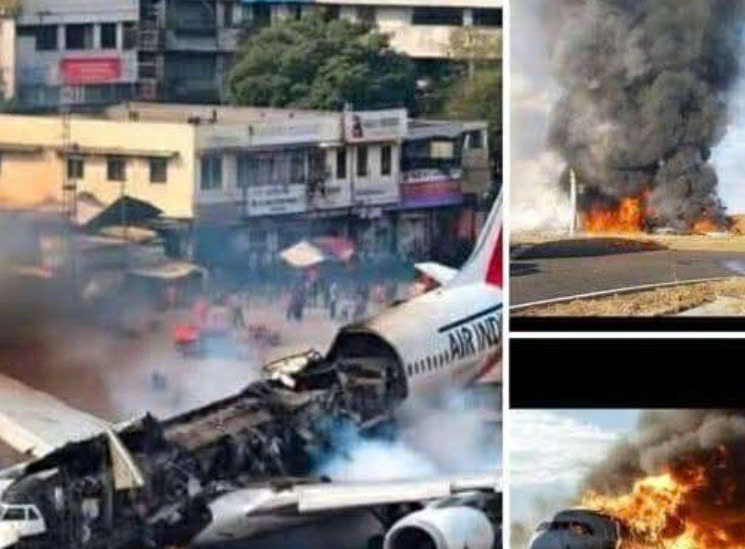
The Heartbreaking Tragedy of Air India Flight AI171
On June 12, 2025, a routine flight connecting Ahmedabad to London Gatwick became a harrowing chapter in aviation history. Air India Flight AI171, operated by the airline’s fleet of Boeing 787 Dreamliners—known for their reliability—was set to take off shortly after 1:00 PM. However, within minutes of departure, what started as a simple journey morphed into a chaotic scene of disaster, leaving a nation in shock and mourning.
The flight, carrying 230 passengers and 12 crew members, was expected to be another successful international route, but fate had other plans.
As the aircraft ascended, it initially appeared to be a standard departure. Yet, by 1:10 PM, alarming reports emerged that Flight AI171 had gone down near Ghoda Camp, a crowded area nestled between Meghaninagar and the Ahmedabad Cantonment. Eyewitness accounts painted a terrifying picture—loud explosions echoed through the air as plumes of thick, dark smoke billowed from the site.
The pilot’s brave Mayday distress signal, issued mere moments before the impact, highlighted the abrupt turn of events, hinting at an unforeseen calamity unfolding in the skies.
Residents in the vicinity expressed their horror and confusion as they witnessed the tragedy unfold. Some reported hearing what resembled a thunderous explosion, while others observed the aircraft descending rapidly, trailing smoke before disappearing from view. The aftermath was devastating, with emergency sirens blaring throughout Ahmedabad as police, firefighters, and medical teams rushed to the scene.
Initial assessments were bleak—reports indicated that all 242 individuals onboard were feared to have lost their lives. The impact of the crash not only devastated the passengers’ families but also inflicted widespread damage on surrounding homes and vehicles, complicating rescue operations.
In the wake of this catastrophe, Air India released a somber statement, acknowledging the tragic event and vowing to provide accurate updates as details emerged. “Flight AI171 encountered a serious event shortly after departure,” the airline confirmed, emphasizing their commitment to assisting affected families. Air India Chairman N. Chandrasekaran expressed profound sorrow, stating, “We are heartbroken by the loss of Flight AI171.
Our thoughts are with every family and loved one affected by this devastating tragedy.” The emotional toll rippled through the nation, as government officials, including the Prime Minister, extended their condolences and pledged to uncover the truth behind the crash.
The investigation into the disaster quickly became a focal point of national concern. Authorities began scrutinizing the circumstances surrounding the Mayday call, which is issued only in the direst situations, such as mechanical failures or severe cabin issues. The importance of the recovered black box and flight data recorders cannot be overstated; they are critical in piecing together the events that transpired in those final, crucial moments.
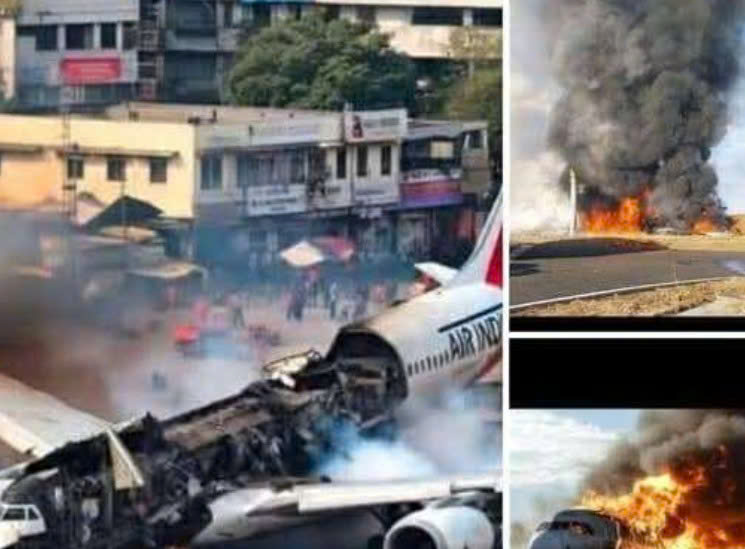
The Directorate General of Civil Aviation (DGCA) promptly dispatched an investigative team, with support anticipated from international aviation safety agencies, including representatives from Boeing. Preliminary recovery efforts at the crash site aimed to gather fuselage sections and engine components for analysis, each piece potentially holding clues to the tragedy.
Meanwhile, at Ahmedabad Airport, the atmosphere was thick with uncertainty and grief, as family members gathered in designated waiting areas, clutching photographs and praying for news. Air India staff and crisis counselors provided support to the distraught relatives, who faced a grim wait for any updates on their loved ones. The media coverage of the tragedy was unrelenting, with news channels broadcasting live updates, reflecting a nation’s collective heartbreak.
Witnesses to the crash displayed incredible bravery, with local residents attempting to assist by bringing buckets of water and makeshift stretchers to the scene, showcasing a community’s spirit amidst overwhelming despair.
As investigations unfolded, the focus shifted to three critical elements: the Mayday call, the aircraft’s maintenance history, and the flight crew’s communication records. Experts warned that uncovering the full scope of the incident could take considerable time—weeks, if not months. However, early recovery of the black boxes raised hopes for a clearer understanding of the events leading to the crash.
While Air India has made strides in improving its safety record in recent years, this tragedy has reignited discussions about the unpredictability of air travel. Many experts argue that transparency and accountability are vital for restoring public confidence in aviation safety.
In the days following the disaster, the crash site was cordoned off, with debris meticulously documented and collected. Authorities committed to offering compensation and long-term support for affected families, while across India, vigils and candlelight memorials sprung up as communities united in grief.
The plight of the victims resonated deeply, as stories shared on social media highlighted the human stories behind the tragedy—students, business travelers, newlyweds, and devoted crew members who had dedicated years to serving the airline. As the sun set over Ahmedabad, the smoke still lingered in the air, serving as a painful reminder of the fragility of life and the deep scars left by such an unforeseen disaster.
The loss of Air India Flight AI171 will remain etched in history not just as an aviation tragedy, but as a stark reminder of the need for stringent safety protocols and the importance of human lives behind every flight number. With the investigation ongoing, officials remind the public to refrain from speculation until verified information is made available.
Air India has pledged its full cooperation with both national and international authorities. As a nation mourns the loss of 242 souls, it must also confront the broader implications for aviation safety and the collective responsibility to seek truth, justice, and meaningful change in the aftermath of such heart-wrenching events.
















