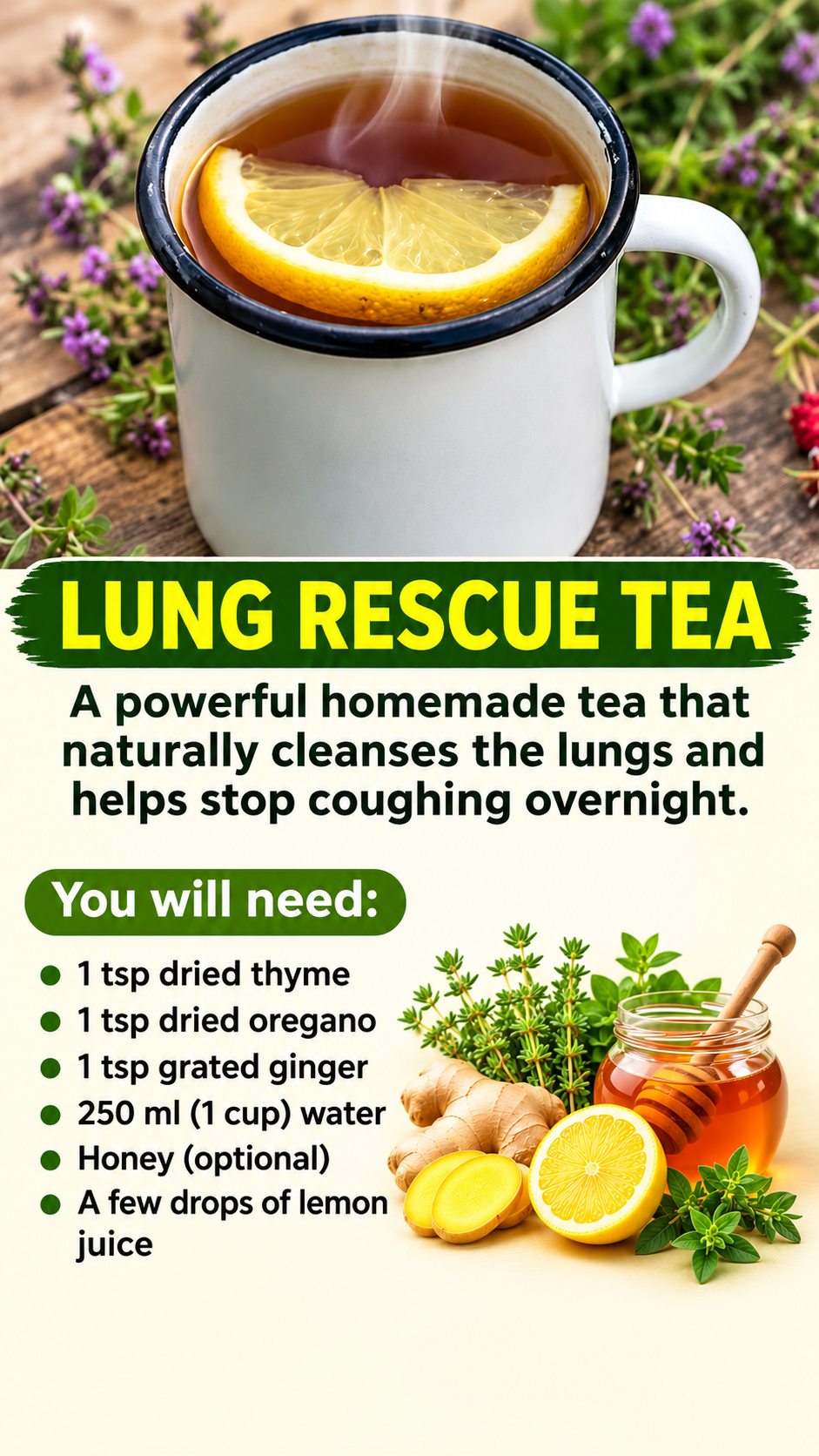
In today’s article, we bring you an interesting traditional herbal remedy that has been passed down through generations and continues to attract attention among people looking for natural ways to support respiratory health. During colder months, coughing, throat irritation, and congestion become common complaints, prompting many families to prepare homemade herbal drinks.
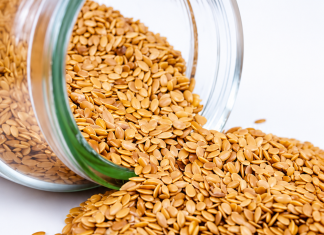
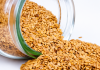
One ingredient that has gained particular attention is black seed, scientifically known as Nigella sativa. These tiny dark seeds have been used for centuries in traditional medicine and cooking. Although black seed contains potentially beneficial plant compounds, claims that it can cleanse the lungs instantly or stop coughing overnight are not supported by reliable scientific evidence. Nevertheless, a warm herbal tea may provide temporary comfort when the throat feels irritated.
Black seed has a fascinating history, especially in Middle Eastern, North African, and Asian cultures. Historical traditions associate it with various preparations intended to promote general well-being. Its seeds contain natural oils, fatty acids, and a compound called thymoquinone, which researchers have examined for antioxidant and anti-inflammatory activity. Some preliminary studies suggest that black seed preparations may influence certain biological processes, but their effectiveness in treating diseases remains uncertain. The popular claim that black seed can cure hundreds of illnesses has not been scientifically established. It should therefore be considered a traditional ingredient rather than a substitute for proven medical treatments.
Why Is Black Seed Associated With Respiratory Health?
Black seed has traditionally been used in preparations for coughs, colds, and breathing discomfort. Researchers have explored whether its compounds might influence inflammation and respiratory symptoms. However, the available human studies are limited, and their findings do not establish black seed as a treatment for asthma, bronchitis, or lung infections. The lungs have their own natural protective mechanisms, including mucus and tiny structures called cilia that help remove particles from the airways. No herbal drink has been shown to repair damaged lung tissue or remove accumulated pollutants overnight. Protecting the lungs from tobacco smoke, air pollution, and untreated respiratory illnesses remains far more important than relying on so-called cleansing remedies. Anyone experiencing persistent coughing or breathing difficulties should seek appropriate medical advice.
Traditional Black Seed Tea Recipe
This aromatic homemade tea combines black seed, chamomile, and anise. The ingredients create a distinctive herbal flavor, while the warmth of the drink may soothe an irritated throat.
Ingredients:
- 1 tablespoon black seeds (Nigella sativa)
- 1 teaspoon dried chamomile flowers
- ½ teaspoon anise seeds
- 250 ml hot water
- 1 teaspoon honey, optional
Preparation:
Step 1: Lightly crush the black seeds and anise seeds using a mortar and pestle to release some of their natural aroma.
Step 2: Place the crushed seeds into a heat-resistant cup or small teapot.
Step 3: Add one teaspoon of dried chamomile flowers.
Step 4: Pour approximately 250 ml of hot water over the mixture.
Step 5: Cover the container and allow the ingredients to steep for about 10 minutes.
Step 6: Strain the liquid carefully to remove the seeds and flowers.
Step 7: Allow the tea to cool to a comfortable drinking temperature before adding honey.
Step 8: Stir gently and enjoy the tea while warm.
Honey may temporarily reduce coughing in some adults and children older than one year. However, honey must never be given to infants younger than 12 months.
Important: There is no medically established dosage of black seed tea for treating respiratory conditions. The tablespoon of seeds in this traditional recipe is not a clinically validated dose, and repeated consumption may not be suitable for everyone.

Traditional Black Seed, Garlic, and Honey Syrup
Another homemade preparation combines black seed with garlic and honey. It has sometimes been promoted as a natural remedy for asthma, although there is insufficient clinical evidence to support this claim.
Ingredients:
- 1 teaspoon finely crushed black seeds
- 2 garlic cloves, crushed
- 2 tablespoons honey
Preparation:
Step 1: Crush the black seeds until they become finely broken.
Step 2: Peel the garlic cloves and mash them into a paste.
Step 3: Transfer both ingredients into a clean bowl.
Step 4: Add two tablespoons of honey and mix thoroughly.
Step 5: Continue stirring until the mixture develops a thick, even consistency.
Traditional recommendations sometimes suggest taking one teaspoon every morning before breakfast for three weeks. However, this schedule has not been proven effective or safe for asthma treatment. People with asthma should continue using their prescribed inhalers and medications.
Important Precautions
Although black seed and garlic are familiar culinary ingredients, concentrated preparations may cause side effects or interact with medications.
People using blood-thinning medicines, diabetes treatments, or blood pressure medication should consult a healthcare professional before taking black seed supplements or concentrated herbal mixtures.
Individuals receiving cancer treatment should also discuss herbal preparations with their medical team. There is no reliable evidence that black seed makes chemotherapy more effective or accelerates recovery from cancer.
Seek urgent medical care if coughing occurs alongside severe difficulty breathing, chest pain, or coughing up significant amounts of blood.

Final Thoughts
Traditional herbal recipes remain popular because they are inexpensive, familiar, and connected to generations of family knowledge. Black seed tea with chamomile and anise may be enjoyed as a comforting beverage, especially when served warm with a little honey.
However, there is an important difference between temporarily soothing an irritated throat and treating the medical cause of a cough.
The best way to protect lung health is through healthy habits, avoiding tobacco smoke, recognizing warning signs, and seeking medical care when necessary.
Natural ingredients can be part of a balanced lifestyle, but they should never replace proper diagnosis or evidence-based respiratory treatment.