
In today’s article, we bring you an interesting traditional practice that has attracted attention among people searching for simple and natural ways to relax. Bay leaves are commonly found in kitchens around the world, where they are used to add flavor to soups, stews, sauces, and meat dishes.
However, these aromatic leaves have also played an important role in traditional wellness practices for centuries. One unusual method involves placing bay leaves directly against the soles of the feet, covering them with socks, and leaving them in place for a period of time. Supporters of this practice believe it may encourage relaxation, reduce stress, and improve general well-being. Although these claims sound fascinating, there is currently no reliable scientific evidence that placing bay leaves on the feet removes toxins or treats medical conditions.

The Fascinating History of Bay Leaves
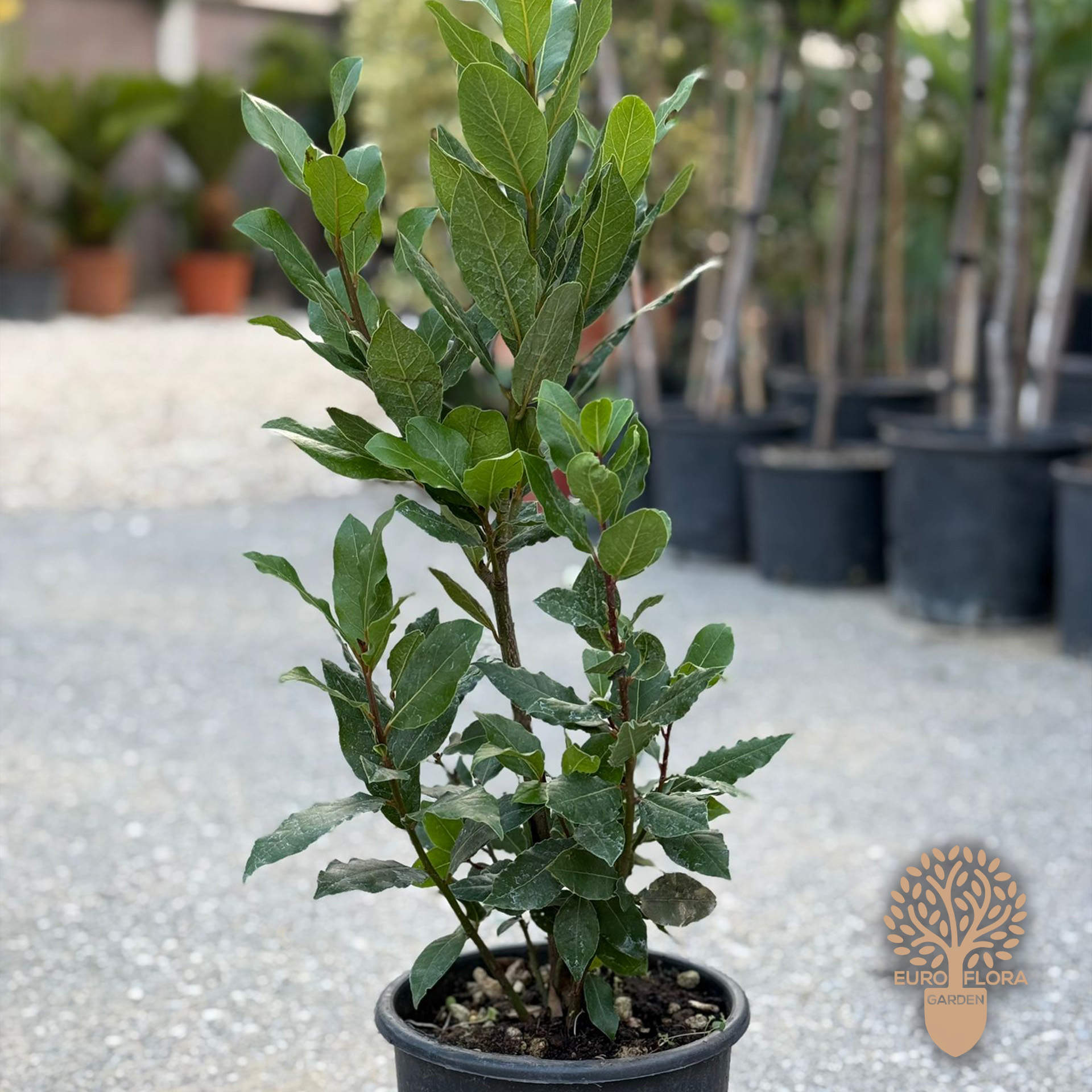
Bay leaves come from the evergreen tree Laurus nobilis, commonly known as the bay laurel. This Mediterranean plant has been valued since ancient times for its distinctive fragrance and cultural significance.
In ancient Greece, laurel wreaths symbolized victory, wisdom, and achievement. Successful athletes, poets, and important figures were often honored with crowns made from its leaves.
The Romans also associated laurel with protection and prosperity. Over time, the plant became connected with various traditional healing practices.
Today, bay leaves remain popular in cooking, herbal preparations, and aromatic household rituals.
Why Do Some People Place Bay Leaves on Their Feet?
The practice of placing bay leaves on the soles of the feet is sometimes associated with reflexology, a complementary wellness technique based on applying pressure to specific areas of the feet.
According to reflexology traditions, different points on the feet correspond to various organs and body systems.
However, scientific research has not established that these points are directly connected to internal organs in a way that allows bay leaves to influence their function.
Some individuals may still find the ritual calming because it encourages them to slow down, rest, and focus on relaxation.
Any perceived benefit may come from the resting experience rather than a specific medicinal effect of the leaves.
What Makes Bay Leaves Special?
Bay leaves contain naturally occurring aromatic substances, including compounds such as cineole and eugenol.
These substances contribute to the characteristic fragrance of the plant and have been investigated for various biological properties in laboratory research.
Bay leaves also contain plant antioxidants, although the amounts and effects depend on how they are prepared and used.
Laboratory findings do not prove that placing whole bay leaves on the skin can reduce inflammation, improve circulation, or detoxify the body.
The liver and kidneys already perform the body’s main detoxification functions, and there is no established evidence that bay leaves placed on the feet accelerate these processes.
How to Try the Traditional Bay Leaf Foot Ritual
For people interested in this practice as a relaxing household tradition, the method is simple.
What you need:
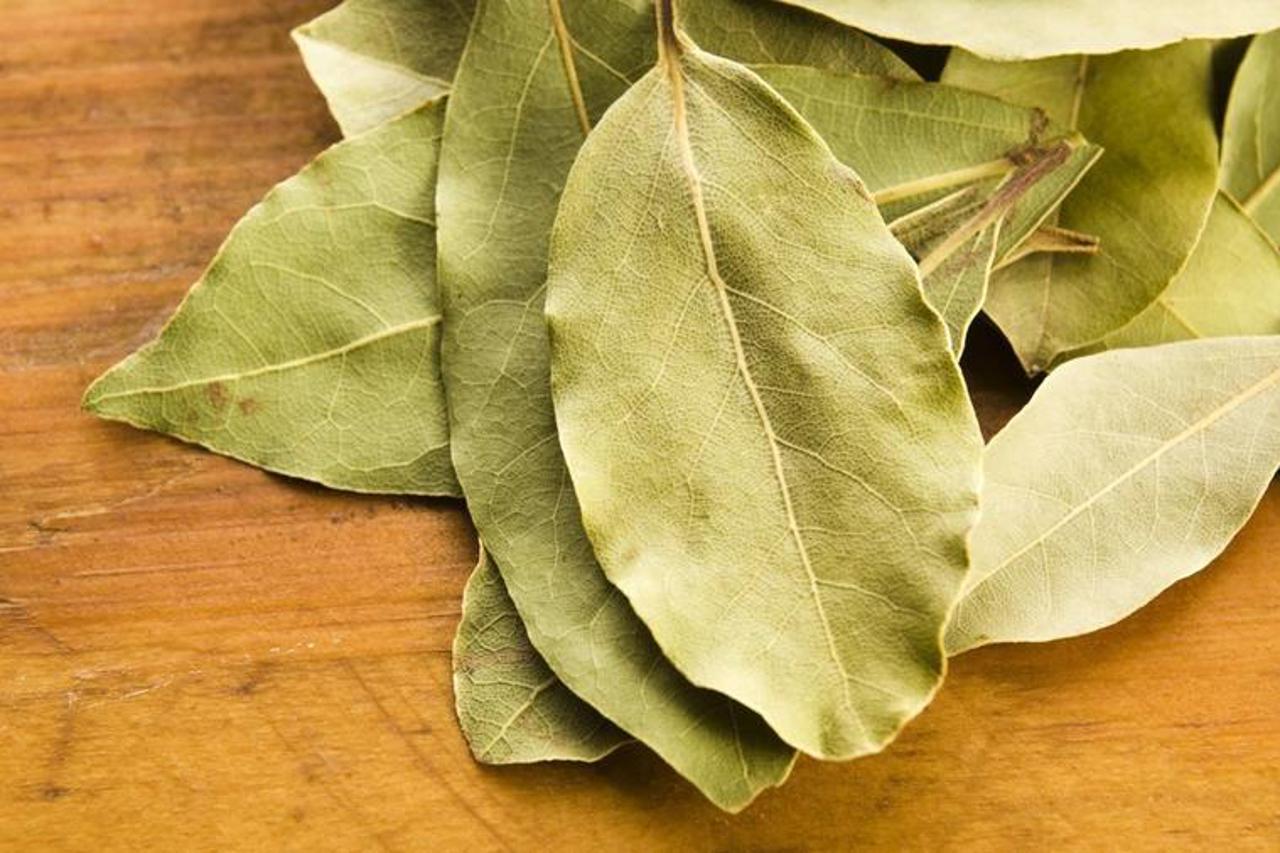
- 2–4 clean, dried bay leaves
- A pair of comfortable cotton socks
- A clean, soft towel
- A little free time for relaxation
Step 1: Clean your feet
Wash your feet with lukewarm water and dry them thoroughly using a soft towel.
Step 2: Prepare the bay leaves
Choose clean, intact leaves without sharp or broken edges. Avoid using concentrated bay essential oil directly on the skin because it may cause irritation.
Step 3: Position the leaves
Place one or two leaves gently against the sole of each foot.
Step 4: Put on cotton socks
Wear comfortable socks to help keep the leaves in place without applying excessive pressure.
Step 5: Relax
Rest comfortably for approximately 15–30 minutes. There is no established therapeutic benefit from leaving the leaves on overnight.
Step 6: Remove the leaves
Take off the socks, remove the leaves, and inspect your skin for redness or irritation.
Important: Stop immediately if itching, burning, or discomfort occurs. Avoid the practice if you have broken skin, sensitive skin, or a known allergy to bay leaves.
Can Bay Leaves Help With Sleep?
The distinctive aroma of bay leaves may be pleasant to some people, especially those who enjoy herbal fragrances.
A calming bedtime routine can support relaxation, and certain individuals may associate familiar natural scents with comfort.
However, no convincing clinical evidence shows that bay leaves placed on the feet improve sleep quality or treat insomnia.
For more reliable sleep support, maintaining a regular bedtime, limiting caffeine late in the day, and creating a comfortable sleeping environment are useful strategies.
Bay Leaves and Foot Baths
Another traditional way to enjoy bay leaves is through a warm foot bath.
A few clean leaves can be added to a basin of comfortably warm water, allowing their aroma to develop while the feet soak.
The warmth of the water may help relax tired feet after a long day.
Make sure the water is not excessively hot, particularly if you have reduced sensation in your feet or circulation problems.
This practice should be considered a relaxation ritual rather than a treatment for swelling, infections, or chronic pain.
What Should You Keep in Mind?
Natural remedies are often appealing because they are inexpensive and easy to prepare at home.
Nevertheless, natural does not automatically mean effective or completely harmless.
Bay leaves may irritate the skin in sensitive individuals, and their use should never replace medical care for persistent symptoms.
People experiencing ongoing foot pain, swelling, numbness, or skin changes should consult a healthcare professional to determine the cause.
Final Thoughts
The tradition of placing bay leaves on the feet reflects the long cultural history of using herbs in daily life.
While the practice may provide a peaceful moment of rest, there is no reliable evidence that it eliminates toxins, treats inflammation, or reduces the need for medication.
The greatest potential value of this simple ritual is relaxation, not a medically proven healing effect.
Taking time to rest can be beneficial, but lasting health improvements depend on evidence-based care, balanced habits, and attention to the body’s actual needs.
Sometimes the simplest wellness traditions are enjoyable because they encourage a moment of calm in an otherwise busy day.