Decoding the Stickers on Your Produce: What PLU Codes Reveal
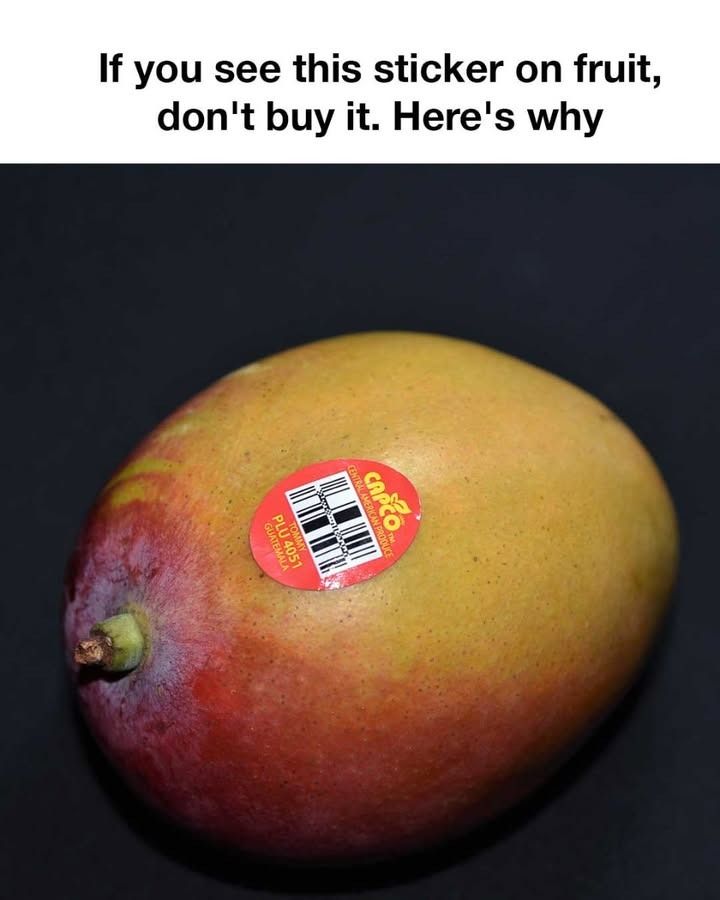
The small stickers found on fruits and vegetables, commonly referred to as Price Look-Up codes (PLU codes), may seem inconsequential at first glance. However, these codes offer valuable insights into the agricultural practices used in growing your food. By learning to interpret these codes, consumers can make better-informed decisions about their health, the environment, and the broader food system. In an era where food sourcing and production methods are under increasing scrutiny, understanding PLU codes becomes an essential aspect of responsible consumerism.
Understanding Conventional Produce
Conventional produce typically features a four-digit PLU code. This classification indicates that the fruit or vegetable has been cultivated using standard practices, which often incorporate synthetic fertilizers, pesticides, and herbicides. These conventional agricultural methods aim to improve crop yields and reduce production costs, making food items more accessible to the general public. For example, a PLU code of 4011 corresponds to a commonly found variety of conventional bananas. However, the use of these chemicals raises significant concerns about the potential residues that may remain on fruits and vegetables, as well as the long-term impact on our environment.
Identifying Organic Produce
In contrast, organic produce is marked with a five-digit PLU code that always begins with the number 9. Organic farming emphasizes natural methods, steering clear of synthetic chemicals, genetically modified organisms (GMOs), and growth enhancers. For instance, a PLU code of 94011 would indicate an organic banana. Farmers who adhere to organic principles often utilize methods like crop rotation, composting, and natural pest management, which are designed to foster soil health and biodiversity. Many consumers gravitate toward organic products as a means to reduce their exposure to harmful chemical residues and support agricultural practices that are considered more sustainable and environmentally friendly.
Potential Concerns with Certain PLU Codes
Some consumers actively avoid purchasing produce with specific PLU codes based on their health beliefs, personal ethics, or environmental concerns. For instance, codes beginning with the number 8 were originally designated for genetically modified (GM) produce. Although this classification system is not uniformly enforced, many shoppers remain wary of GM foods and make a conscious effort to avoid them, especially when they see a PLU code like 84011, which designates a genetically modified banana. This caution is often rooted in the desire to promote sustainable agriculture and reduce potential health risks associated with consuming genetically altered foods.
Health Considerations Surrounding Genetically Modified Foods
The safety of genetically modified foods is a topic of ongoing debate among scientists, regulators, and the general public. While numerous studies have concluded that approved GM foods are safe for consumption, concerns persist regarding their long-term health implications. Issues raised include potential allergic reactions, the risk of antibiotic resistance, and unknown metabolic effects. Given that long-term studies are still being conducted, many consumers choose to limit their intake of GM foods by opting for organic or non-GMO alternatives whenever feasible. Popular alternatives include heirloom varieties of vegetables, which are typically not genetically modified and often offer richer flavors and more nutrients.
The Environmental Consequences of Conventional Agriculture
While conventional farming practices have greatly enhanced global food production, they also pose significant environmental challenges. The extensive use of synthetic fertilizers and pesticides can lead to water contamination, soil degradation, and harm to beneficial insects like bees. For instance, the runoff from conventional farms often leads to algal blooms in waterways, which depletes oxygen and kills aquatic life. Moreover, conventional agriculture often relies on monoculture cropping, which heightens vulnerability to pests and diseases, further straining the environment. Understanding these environmental impacts is crucial for consumers who prioritize sustainability in their food choices. The recent rise in soil health awareness emphasizes the need for practices that nurture rather than degrade our planet’s resources.
The Advantages of Choosing Organic Produce
Organic farming methods not only seek to improve soil health and promote ecological balance, but they also offer consumers various advantages. These practices encourage the use of natural fertilizers, crop rotation, and non-chemical pest control methods that benefit both the environment and the consumer. By choosing organic produce, shoppers can significantly reduce their exposure to harmful chemicals while supporting agricultural systems that favor biodiversity and sustainability. Additionally, organic farms often prioritize water conservation and soil management practices, making them a crucial part of efforts to combat climate change and resource depletion. For instance, organic farms frequently use cover crops, which help to retain soil moisture and prevent erosion.
Empowering Consumers to Make Informed Choices
Understanding PLU codes and the meanings behind them empowers consumers to make choices that align with their health objectives and ethical values. Shoppers who can differentiate between conventional, organic, and genetically modified produce can better navigate the grocery store aisles to find foods that meet their standards. Additionally, choosing locally sourced and seasonal produce contributes to a more sustainable food system by reducing transportation emissions and supporting local economies. For example, purchasing apples from a nearby orchard in the fall not only supports local farmers but also minimizes the carbon footprint associated with long-distance food transport.
Conclusion: Making Healthier Choices for a Sustainable Future
By decoding the stickers on fruits and vegetables, consumers gain the ability to take charge of their food decisions. Recognizing the differences among conventional, organic, and genetically modified produce helps individuals choose foods that reflect their personal values regarding health, environmental protection, and ethical responsibility. These seemingly small choices can lead to significant changes, not only in one’s well-being but also in fostering a more sustainable and resilient global food system. In a world where food choices have far-reaching implications, understanding the significance of PLU codes is essential for anyone seeking to live a healthier, more environmentally-conscious lifestyle. As we contribute to discussions about food systems and environmental stewardship, each informed choice can become a step towards a brighter, more sustainable future for generations to come.