
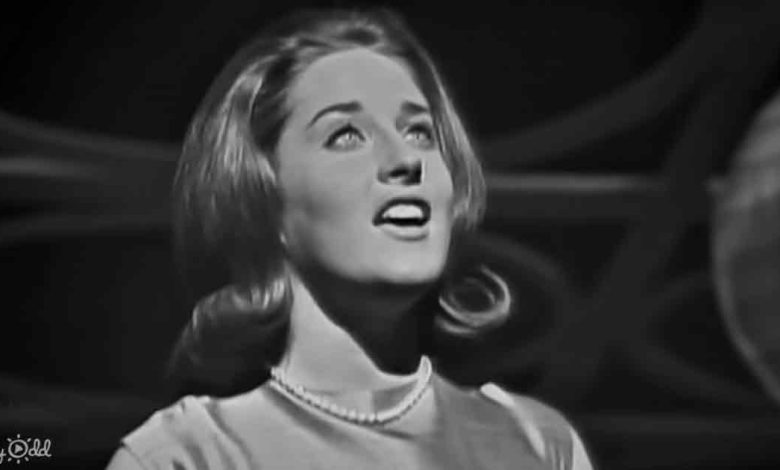
The Lasting Legacy of Lesley Gore’s “It’s My Party”
When Lesley Gore unleashed her iconic single “It’s My Party” in the spring of 1963, few could have anticipated the profound impact it would have on the landscape of pop music. This vibrant and emotionally charged track quickly resonated with countless listeners in America and across the globe.
More than just a catchy tune, “It’s My Party” marked a pivotal moment in pop culture, introducing a narrative style that spoke directly to the teenage experience. It provided a voice to young girls grappling with complex emotions and social dynamics, capturing the essence of teenage heartache and public humiliation with remarkable authenticity.
Born Lesley Sue Goldstein in Brooklyn and raised in Tenafly, New Jersey, Gore was just a teenager when she recorded the song that would catapult her into the spotlight. Despite her age, her vocal capabilities were strikingly mature, setting her apart from many young artists of her time. Gore’s voice combined both vulnerability and strength, allowing her to convey genuine emotional depth in a way that resonated with listeners.
This unique blend would become a hallmark of her artistry, enabling her to connect with an audience searching for relatable narratives in a musical landscape often dominated by male perspectives.
The Power of Collaboration
Integral to Gore’s early success was the influence of renowned producer Quincy Jones, who was beginning to carve a niche for himself in the music industry. Jones recognized the rare talent in Gore and played a crucial role in crafting her sound and image. He framed her not just as a teenage singer but as a relatable figure who embodied the complexity of young adulthood.
His production style, characterized by polished arrangements and a keen sense of emotional storytelling, complemented Gore’s vocal performance. The result was a powerful musical statement that transcended the simplistic love songs prevalent at the time.
The Story Behind the Song
The narrative of “It’s My Party,” written by the talented team of John Gluck Jr., Wally Gold, and Herb Weiner, revolves around a poignant scenario that many can relate to: a birthday party turned sour by heartbreak. The protagonist, feeling rejected when her boyfriend Johnny turns his attention to another girl, Judy, encapsulates an emotional struggle that resonates universally.
This simple yet relatable storyline—a young girl grappling with disappointment in a public setting—invites listeners to recall their own experiences of social embarrassment and emotional turmoil. While the context is specific to a birthday celebration, the underlying feelings of rejection, sadness, and resilience are universal.
A Race Against Time
An intriguing aspect of the song’s history is the urgency surrounding its release. Reports indicate that there was competition from another artist preparing a version of the same song. In a bid to secure Gore’s place in the spotlight, Quincy Jones hastened the release, ensuring that her rendition was the first heard by the public.
This strategic move proved crucial, as it solidified Gore’s version as the definitive take and set the stage for her meteoric rise to fame. The recording showcased Jones’ emerging prowess as a producer, blending energetic pop arrangements with tight instrumentation, all designed to enhance the emotional weight of Gore’s performance.
The Cultural Impact of “It’s My Party”
Upon its release, “It’s My Party” quickly skyrocketed to the top of the charts, peaking at number one on the Billboard Hot 100 in May 1963. The appeal of the song extended far beyond American borders, captivating audiences worldwide and securing Gore’s status as a global star almost overnight. While the commercial success of the single was remarkable, its cultural significance is where its true legacy lies.
Before “It’s My Party,” female characters in popular music often occupied limited roles, but Gore’s performance introduced a nuanced emotional landscape that resonated with young listeners. Her ability to express vulnerability and resilience in the face of heartbreak provided a refreshing perspective on the experiences of teenage girls, making her a relatable figure for many.
Enduring Influence and Legacy
The immense popularity of “It’s My Party” opened the floodgates for a wave of similar songs that delved into the emotional intricacies of adolescent life. The songwriters and producers of the era quickly recognized the burgeoning demand for relatable narratives woven into catchy melodies. This shift paved the way for future artists, particularly female performers, to explore themes of emotional complexity and personal experience in their music.
The likes of Carole King and Laura Nyro would later build upon the groundwork laid by Gore, crafting songs that further explored the depths of emotional expression and storytelling in pop music.
A Timeless Classic
Over six decades later, “It’s My Party” remains a beloved classic, frequently featured on oldies radio stations, in films, and on television. The song’s enduring appeal speaks to its emotional core, which continues to resonate with new generations of listeners. Various artists have since reinterpreted the track, adapting it to diverse musical styles while maintaining its fundamental narrative essence.
Each new rendition highlights the strength of the songwriting and Gore’s original performance, proving that the emotional experiences depicted in the song are timeless.
Conclusion
Ultimately, “It’s My Party” stands as a testament to the power of honest storytelling in music. Lesley Gore’s ability to convey feelings of heartbreak, disappointment, and resilience transformed her experiences into a relatable narrative that continues to resonate today.
As we reflect on the legacy of this remarkable song, it is clear that its impact extends far beyond the charts, influencing countless artists and shaping the landscape of popular music for generations to come. In just a few minutes, Gore crafted a musical masterpiece that encapsulates the universal struggles of youth, ensuring that her voice and story will forever be a part of the fabric of American pop culture.
















