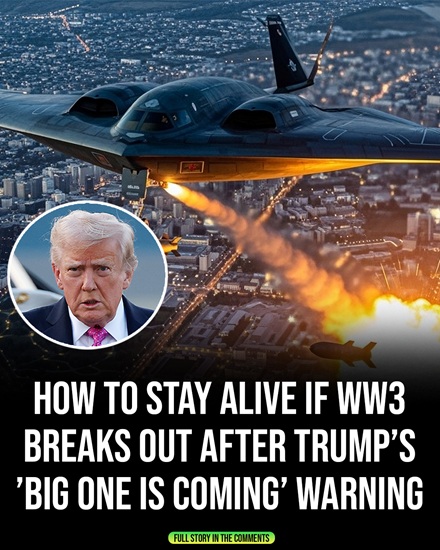
The Escalating Tensions Between the U.S., Israel, and Iran: Understanding the Implications
The ongoing conflict involving the United States, Israel, and Iran has captivated global attention, raising concerns about the potential for an unprecedented geopolitical escalation. As headlines proliferate and social media buzzes with speculation, a sense of anxiety permeates the public consciousness regarding the possibility of a major war or even a third world conflict. Yet, experts assert that it is crucial to distinguish verified developments from mere conjecture and to concentrate on practical strategies for emergency preparedness in various situations.
Recent Developments in the Conflict
Since late February 2026, coordinated military operations by the U.S. and Israel have targeted essential military installations and infrastructure across Iran. This military initiative, dubbed Operation Epic Fury by some analysts, aims to degrade Iran’s military capabilities and undermine its leadership. Following these interventions, Iran has retaliated vigorously, launching missile and drone strikes not only against Israeli locations but also U.S. military bases in the Gulf region and allied nations across the Middle East. The conflict has also embroiled various allied militias and proxy forces, including Hezbollah in Lebanon, which has engaged in firefights with Israeli troops.
Impacts on Global Stability
As the hostilities have unfolded, airspace restrictions and disruptions in and around the Strait of Hormuz — a critical artery for global oil shipments — have exacerbated global economic instability. The volatility in energy markets has led to significant fluctuations in oil prices, raising inflation concerns worldwide. Despite these alarming developments, defense analysts and retired military officials emphasize that major global powers are primarily focused on preventing a full-blown world war. A retired Major General pointed out that nations typically pursue controlled escalation and diplomatic channels rather than engaging in outright global conflict. The prospect of a broader war involving major blocs, such as NATO against Russia or China, still remains unlikely without drastic shifts in policy or alliances.
The Exaggeration of World War III Fears
The rising public anxiety regarding the possibility of a larger war can be attributed, in part, to the rapid pace of developments and the multitude of nations indirectly involved through various alliances, military bases, and economic connections. Analysts have highlighted that the conflict has led to missile and drone strikes extending beyond Iranian borders, particularly targeting U.S. forces and militia groups within Iraq and Syria. Furthermore, the disturbances in the Strait of Hormuz, through which approximately 20% of the world’s oil supply is transported, have led to increased market volatility and concerns about inflation.
Correcting Misconceptions
In the midst of this chaos, it is essential to clarify several widespread misconceptions that circulate alongside legitimate concerns. First and foremost, no official declaration of a World War III has been made. Speculative headlines suggesting the onset of a global conflict often originate from social media or sensational reporting rather than substantiated government statements. International bodies like the United Nations have consistently called for restraint, emphasizing the need for diplomatic engagement and de-escalation. While the economic and energy ramifications of the conflict are tangible and significant, they do not necessarily indicate the advent of a global war.
Practical Emergency Preparedness
Despite the unlikelihood of a world war, experts and governments alike recommend that individuals maintain a basic level of readiness for various civil emergencies, which may include natural disasters, power outages, or localized conflicts. This approach is not rooted in fear but rather focuses on practical risk reduction and preparedness. The concept of the “72-Hour Self-Sufficiency” standard has gained traction in many parts of Europe and North America. This principle encourages households to be equipped to sustain themselves for at least three days during a crisis without needing assistance from emergency services. The European Commission, alongside national authorities, recommends that citizens prepare basic supplies that ensure self-reliance during emergencies.
What to Include in Your Emergency Kit
A typical 72-hour preparedness kit should include essential items such as:
- At least three days’ worth of water — typically one gallon per person per day
- Non-perishable food items and snacks
- A battery-operated or hand-crank radio to receive updates during power outages
- Flashlights with extra batteries
- A first-aid kit along with essential medications
- Important documents and cash packed in a waterproof container
- Warm clothing and blankets
- Personal hygiene items
- Communication devices and chargers, such as power banks or solar chargers
Countries like Sweden, Finland, and Denmark have publicized comprehensive guidelines on emergency kits, reflecting a broader commitment to resilience rather than war-driven fear.
Beyond the Initial 72 Hours
Survival experts recommend that individuals consider further preparations to address uncertainties that may arise beyond the initial 72 hours. This could include acquiring portable water purification systems, fire-starting tools, basic shelter materials, navigation aids such as maps and compasses, and additional medical supplies. This approach mirrors preparedness for unexpected disruptions like severe weather events, extended power outages, or transportation breakdowns, focusing on a broad range of possible emergencies rather than a singular threat.
Expert Insights on Civil Defense
Experts in civil defense and emergency management advocate that the goal of preparedness is resilience, not fear. Some core principles they emphasize include:
- Stay informed from reliable authorities: A battery-operated radio can provide crucial updates if digital communications fail.
- Keep supplies accessible: Ensure your emergency kit is stored in an easily reachable location.
- Practice calm readiness: Preparedness fosters confidence and facilitates a better response to unexpected situations.
- Adapt to your local environment: Tailor your emergency supplies to suit the specific risks of your area, such as cold weather or flooding.
- Establish family communication plans: Having a clear plan for how to communicate or reunite in case of emergencies is critical.
Emergency preparedness is not a novel concept; many countries have integrated these principles into educational curricula, public awareness initiatives, and national civil defense frameworks long before crises emerge.
Striking a Balance Between Awareness and Reality
While major geopolitical events can indeed induce worry, experts caution against conflating regional conflicts with the inevitability of global warfare. The confrontation between the U.S., Israel, and Iran is serious and carries significant regional implications; however, most analysts believe that major global powers will strive to avoid a total war scenario. Instead, they will likely utilize diplomatic channels, economic leverage, and limited military operations to manage escalation effectively.
Concluding Thoughts: Empowering Individuals Through Preparedness
By focusing on credible information, understanding real risks, and implementing practical measures to enhance readiness, individuals and families can cultivate a sense of security during uncertain times. The U.S.-Israeli-Iranian conflict, while critical, does not warrant a panic response. Instead, it serves as a reminder of the importance of being prepared for a variety of emergencies. By establishing reliable emergency plans and maintaining situational awareness, people can navigate these complexities with clarity and resilience.