Understanding the Misleading Viral Warning About Throat Cancer
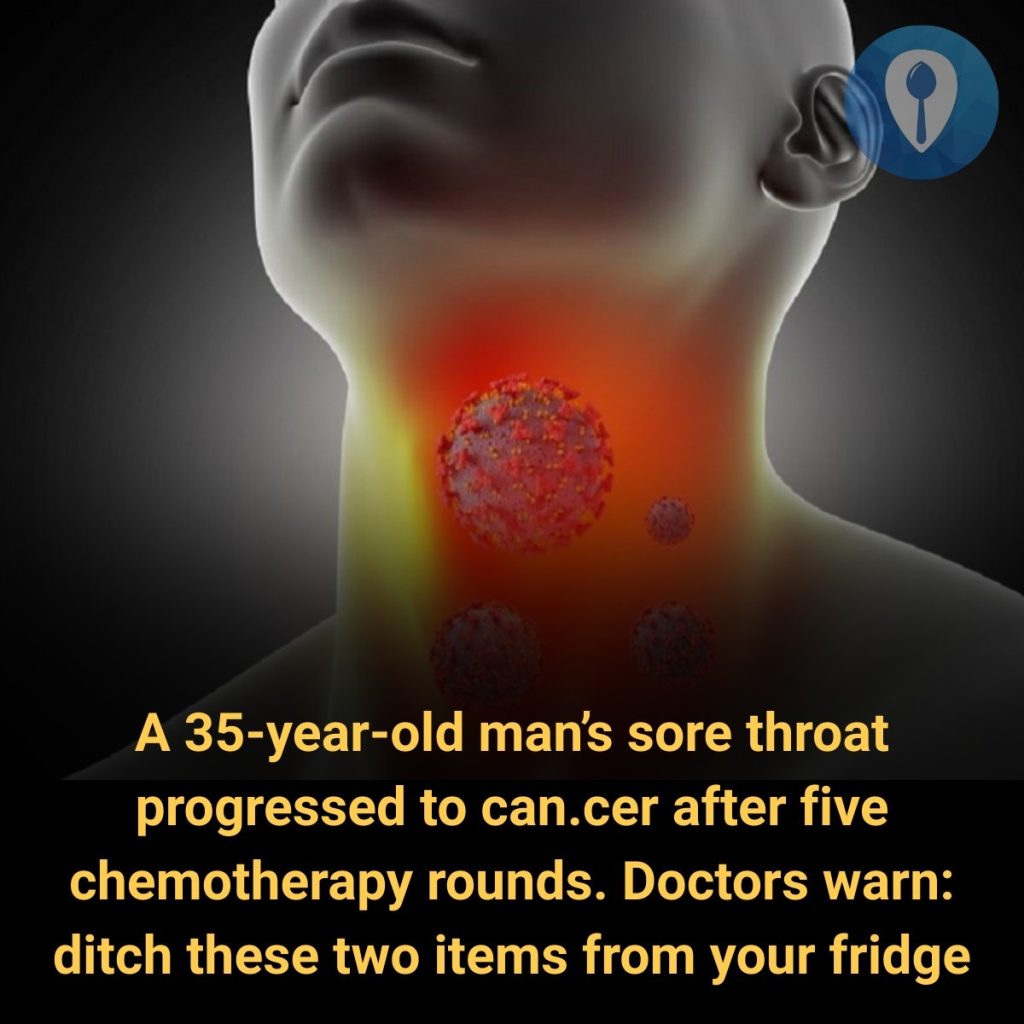
In the digital age, misinformation spreads like wildfire, particularly on social media platforms. One recent viral post that has garnered significant attention warns about the supposed connection between common items in our fridges and the risk of throat cancer. The post states, “A 35-year-old man’s sore throat progressed to cancer after five chemotherapy rounds,” which raises several red flags regarding its accuracy. In this article, we will dissect this alarming claim, shed light on actual throat cancer risks, and provide essential information that can help individuals make informed dietary choices.
Identifying the Flaws in Viral Claims
The viral claim begins with an unsettling story designed to evoke fear rather than convey factual evidence. One of the most glaring issues is the timeline presented—chemotherapy is a treatment that follows a cancer diagnosis, not a precursor to it. This inconsistency raises questions about the credibility of the information being shared. It is crucial to critically evaluate the narrative presented in such viral posts, as they often lack a scientific basis and can lead to unnecessary panic. Misinformation can have real-world consequences, leading individuals to alter their diets and lifestyles based on unfounded fears.
The Importance of Evidence-Based Claims
Another significant flaw in the viral warning is that it fails to specify the “two items” that are supposedly linked to throat cancer. The absence of specific details is a classic fear-mongering tactic that creates urgency without providing any concrete evidence. Reliable health organizations, such as the Centers for Disease Control and Prevention (CDC) and the Mayo Clinic, routinely publish guidelines and information grounded in scientific research. For instance, if there were indeed two items to avoid, reputable sources would have listed them along with supporting studies. The lack of specificity not only undermines the credibility of the claim but also illustrates how shortcuts in communication can lead to widespread misconceptions. This kind of vague reporting can end up misguiding individuals who are genuinely seeking to enhance their health.
The Complexity of Cancer Risks
It’s imperative to understand that cancer is a complex disease. No single food item can be singled out as a direct cause of throat cancer. Instead, cancer typically arises due to an intricate interplay of factors, including genetics, lifestyle choices, environmental influences, and chronic health conditions over a prolonged period. For instance, key risk factors for throat cancer include:
- Tobacco use (both smoking and smokeless forms)
- Heavy alcohol consumption, especially when combined with tobacco
- Human Papillomavirus (HPV) infection, particularly HPV-16, which has become a leading cause among younger, non-smoking patients
- Chronic acid reflux (GERD), which can lead to irritation of throat tissues over time
- A diet low in fruits and vegetables and high in processed meats, serving as a contributing factor rather than a direct cause
Understanding these factors provides a clearer picture of the actual risks associated with throat cancer. For example, the link between tobacco use and throat cancer is well-established in scientific literature. Studies have shown that smokers are significantly more likely to develop throat cancer compared to non-smokers. Moreover, the interaction between alcohol consumption and tobacco use has been documented as increasing the risk even further. Therefore, focusing solely on dietary items, as suggested in the viral post, oversimplifies a complex health issue.
The Rise of HPV-Related Throat Cancer
In recent years, there has been a notable increase in cases of HPV-related throat cancer. In fact, studies indicate that this type of throat cancer has risen sharply over the past two decades, particularly among men aged 30 to 50. Understanding this trend is critical for public health education and prevention strategies. The role of HPV in throat cancer highlights the importance of vaccination and regular screenings. Vaccines like Gardasil, which protect against HPV types known to cause cancers, have the potential to significantly reduce incidence rates. Awareness campaigns aimed at informing younger populations about HPV and its implications can play a crucial role in mitigating the rise of this disease.Practical Steps for Healthier Choices
While it’s essential to debunk misleading claims, it is equally important to take proactive steps in maintaining overall health. Here are some practical tips for making healthier dietary choices:- Prioritize Fruits and Vegetables: Aim to include a variety of colorful fruits and vegetables in your daily diet to ensure a rich intake of essential nutrients.
- Limit Processed Foods: Reduce consumption of processed meats and other heavily processed foods that may contribute to health issues.
- Stay Hydrated: Drink plenty of water to support overall health and aid digestion.
- Consider Regular Check-ups: Regular medical check-ups and screenings can help catch potential issues early and facilitate timely intervention.
- Stay Informed: Rely on reputable sources for health information and stay updated on the latest research and recommendations.
In conclusion, it’s vital to approach health-related viral warnings with skepticism and a critical eye. While the story surrounding the “two fridge items” may elicit fear, the reality is that throat cancer risk is multifactorial and cannot be attributed to single dietary items. By focusing on evidence-based information and making informed lifestyle choices, individuals can take significant steps toward maintaining their health without succumbing to unfounded fears. Furthermore, promoting awareness about the complexity of cancer risk factors and encouraging preventative measures can empower individuals to lead healthier lives, ultimately reducing the stigma and anxiety surrounding cancer.