In today’s article, we bring you an interesting story about a young woman who spent most of her childhood believing that her mother had abandoned her without looking back. For years, she carried the pain of growing up without maternal affection, convinced that the woman who gave birth to her had deliberately chosen another life.
Her father had raised her alone, providing everything he could and becoming the person she trusted more than anyone else. Whenever she questioned her mother’s disappearance, however, his explanations were brief and left little room for further discussion. Over time, the young girl learned to suppress her curiosity, replacing unanswered questions with resentment toward a mother she could barely remember. What she never imagined was that the woman she believed had disappeared from her life had actually been watching her grow up from a surprisingly close distance. One unexpected encounter would eventually expose a painful family secret and force her to reconsider everything she thought she knew about her childhood.
The girl was only three years old when her parents separated, leaving her with memories too fragmented to explain what had happened. Her father became responsible for her upbringing, working hard to provide a stable home and ensure that she never felt completely alone. She admired his dedication and rarely questioned the sacrifices he made on her behalf. Because he was the parent who remained present, she naturally accepted his version of the events surrounding her mother’s departure. He described the separation in a way that led her to believe her mother had simply chosen to leave them behind. Although she occasionally wondered whether her mother remembered her birthday or thought about her during the holidays, she gradually stopped asking questions. It seemed easier to believe that her mother had never cared than to imagine that the father she loved might be hiding something important. Yet despite her determination to move forward, a small part of her continued hoping that one day the missing woman might contact her.
Throughout her school years, an employee named Mrs. Jenkins became a familiar and reassuring presence in her everyday life. Unlike many adults who struggled to remember the names of students, Mrs. Jenkins seemed unusually interested in the girl’s achievements and emotional well-being. She remembered upcoming competitions, asked thoughtful questions about school activities, and celebrated accomplishments that others barely noticed. On one particularly difficult afternoon, she found the girl crying after an argument with her closest friend. Instead of offering a few comforting words and walking away, Mrs. Jenkins sat beside her until she felt ready to return to class. Such gestures gradually created a quiet connection between them, although the student never understood why this particular woman appeared so invested in her happiness. What seemed like ordinary compassion from a caring school employee was actually connected to a secret that had remained hidden for most of the girl’s life. The truth would not emerge until several years later, when an unexpected meeting brought the two women face to face outside the familiar school environment.
After graduating from high school, the young woman found employment at a local store and began building a more independent life. One rainy afternoon, while arranging merchandise on the shelves, she noticed Mrs. Jenkins standing at the far end of an aisle. The familiar face immediately brought back memories of school, and she was pleased by the unexpected opportunity to greet someone who had always treated her kindly. However, as she approached, she noticed that the older woman’s hands were trembling and that her expression seemed unusually distressed. Mrs. Jenkins explained that she had waited until the young woman reached adulthood because she wanted her to have the freedom to decide whether she was ready to hear something important. Her voice shook as she struggled to continue, and the young woman began sensing that the conversation was far more serious than a casual reunion. Then Mrs. Jenkins revealed that she was not simply a former school employee but the mother the young woman had believed had abandoned her when she was three years old. Before the stunned daughter could fully process the revelation, the older woman apologized through tears and hurried out of the store.
WHAT WE HIGHLIGHT: THE WOMAN SHE HAD KNOWN FOR YEARS WAS THE MOTHER SHE BELIEVED HAD ABANDONED HER
The revelation left the young woman motionless, struggling to reconcile her childhood memories with the extraordinary statement she had just heard. For years, she had imagined her mother living somewhere far away, completely uninterested in the daughter she had left behind. Now she was being asked to believe that this same woman had worked at her school and had quietly participated in some of the most important moments of her childhood. She remembered the encouraging conversations, the comforting gestures, and the way Mrs. Jenkins always seemed to know when something was troubling her. Suddenly, those memories carried a different meaning, one that filled her with confusion, sadness, and unanswered questions. She could not understand how someone could remain so close without revealing their true identity. The most painful realization was that she might have spent years searching emotionally for a mother who had been standing only a few steps away. Determined to uncover the truth, she returned home and confronted her father with two questions that would change their relationship forever.
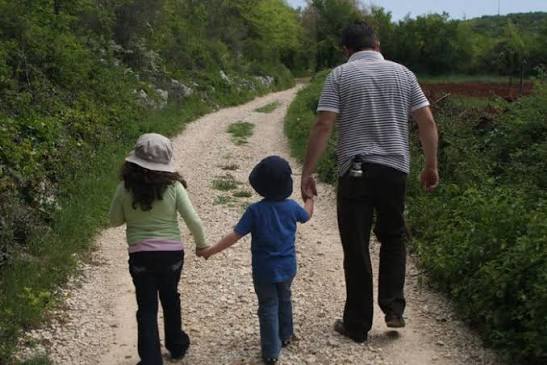
She asked whether Mrs. Jenkins was genuinely her biological mother and whether he had known all along that she worked at the school. Her father answered yes to both questions, leaving his daughter feeling as though the foundation of her childhood had suddenly shifted. For the first time, he spoke openly about the circumstances that had destroyed his marriage. He explained that his family had considerable financial resources, while his wife had grown up in a much more modest environment. As their relationship deteriorated, he became increasingly critical of her appearance, manners, clothing, and behavior around his friends. These judgments gradually developed into arguments that made their home an unhappy place. Eventually, the marriage collapsed, and the young woman’s mother left the household. What her father had never explained was that leaving the marriage had not meant that her mother wanted to disappear from her daughter’s life.
As the conversation continued, the daughter asked whether her mother had ever attempted to contact her after the separation. Her father’s response revealed the part of the story that he had concealed for years. He admitted that his former wife had called, written letters, and repeatedly attempted to arrange visits with their child. Rather than allowing those efforts to continue, he had prevented contact because he believed he was protecting his daughter from further emotional difficulties. Looking back, he acknowledged that his decisions had been influenced by the anger and pride surrounding the breakdown of his marriage. His daughter listened in disbelief, remembering the birthdays when she had secretly hoped to receive a message from the absent parent. For years, she had blamed her mother for remaining silent, never realizing that her mother’s attempts to reach her had been blocked by the person she trusted most. The discovery deeply wounded her, but it also gave her the determination to seek answers directly from the woman she had previously known as Mrs. Jenkins.
The following day, she visited the address her father provided and discovered that her mother lived in a small apartment above a bakery. As she approached the entrance, she felt nervous about meeting someone who was simultaneously familiar and almost completely unknown to her. When the door opened, mother and daughter stood facing each other, struggling to find words that could bridge the years of separation. Eventually, the younger woman stepped forward and embraced her mother, allowing both of them to express emotions they had carried for far too long. Inside the apartment, she discovered photographs from school events, newspaper clippings, and programs from performances she had participated in during childhood. Her mother had carefully preserved these memories, gathering whatever reminders of her daughter’s life she could obtain. Then she brought out a wooden box containing eighteen envelopes, each marked with the date of one of her daughter’s birthdays. Every envelope represented a year in which her mother had remembered her, written to her, and hoped that circumstances might eventually allow them to be together again.
The young woman examined the letters with overwhelming emotion, realizing that her childhood had contained two very different stories. In the version she had grown up believing, her mother had abandoned her and never cared enough to return. In the reality she was now discovering, her mother had tried to maintain a connection despite being kept at a distance. The photographs and birthday letters revealed years of affection that had never reached the person for whom they were intended. Yet the discovery did not erase the emotional distance that had developed between them, and both women understood that rebuilding a relationship would require patience. They began meeting gradually, sometimes taking walks together and sometimes discussing childhood memories that the daughter had never been able to explore. Rather than attempting to recover eighteen lost years immediately, they chose to create new memories while allowing trust and familiarity to develop naturally. Every conversation offered another opportunity to understand the past without allowing it to determine their entire future.
Reconciliation with her father proved more complicated because his confession had damaged the trust she had placed in him throughout her life. She still recognized the effort he had invested in raising her, but she could no longer ignore the consequences of his decision to prevent contact with her mother. Their conversations were sometimes difficult, particularly when she questioned why he had allowed her to believe that she was unwanted. Gradually, he began acknowledging the extent to which his pride and resentment had shaped his behavior. Eventually, he agreed to meet his former wife in their daughter’s presence and offered an apology for the years of separation his actions had contributed to. Her mother listened carefully, but she did not pretend that a single apology could erase everything that had happened. The family began moving toward understanding not because the past had become less painful, but because the people involved were finally willing to acknowledge it honestly. For the daughter, this represented an important step toward accepting that she could love both parents while still holding them accountable for their decisions.

Approximately one year after discovering the truth, the young woman attended a ceremony celebrating the beginning of her university studies. As she looked across the audience, she searched for the familiar face of her father, who had attended so many important events throughout her life. She soon spotted him among the guests, but this time he was not alone. Her mother stood beside him, holding her handbag nervously and appearing uncertain about whether she was welcome to sit down. The young woman immediately noticed her hesitation and understood how much courage it had taken for her mother to attend openly after years of remaining in the background. She gestured toward the empty seat beside her father, inviting her mother to join him. For the first time, the woman who had secretly watched her daughter grow up was being welcomed into an important moment of her life without having to conceal who she really was. As her mother sat down, the daughter smiled and waved, making it clear that she wanted both parents to be part of her future.
This emotional story illustrates how deeply family relationships can be affected when resentment, pride, and silence prevent people from understanding one another. The daughter lost years of connection with her mother because she was given an incomplete explanation of the past, while her mother experienced the pain of watching important moments from a distance. Her father provided years of care, yet his dedication did not erase the emotional consequences of keeping his daughter separated from her other parent. In my view, the strongest message is that children deserve honesty, love, and the opportunity to form meaningful relationships without becoming caught in unresolved conflicts between adults. The family’s eventual reconciliation could not restore the birthdays, conversations, and ordinary moments they had missed, but it offered them a chance to approach the future differently. Sometimes healing begins not with forgetting what happened, but with finding the courage to acknowledge the truth and make room for new beginnings. The young woman’s invitation to her mother at the university ceremony symbolized that possibility more powerfully than any elaborate explanation could have done. After spending years believing that one parent had abandoned her and discovering that the other had concealed the truth, she chose to move forward without allowing the past to destroy every remaining family bond. If you discovered that someone you trusted had hidden such an important truth about your family for nearly your entire life, what would you do?